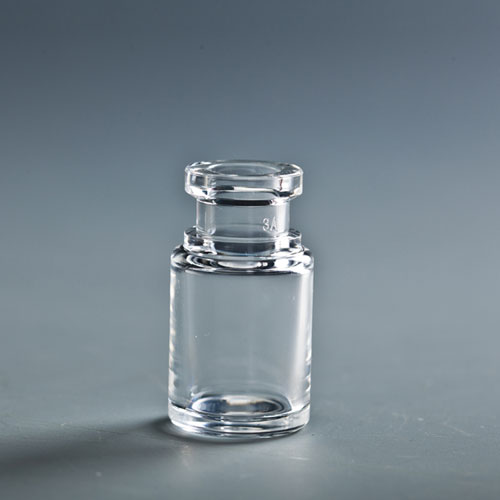
Product Description
Place of Origin:CN;SHN
Brand Name:GT
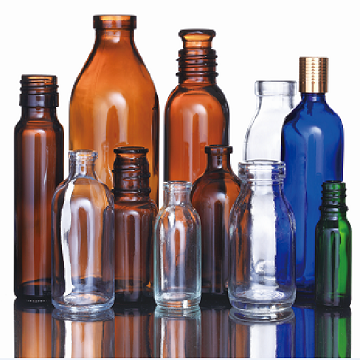
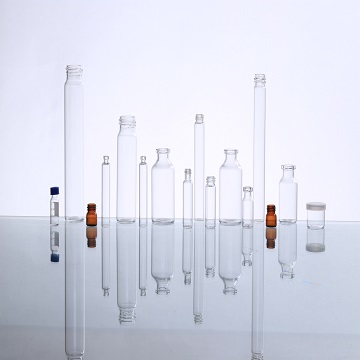
Use:Liquid Medicine
Material:Glass
Industrial Use:Pharmaceutical
Surface Handling:Screen Printing
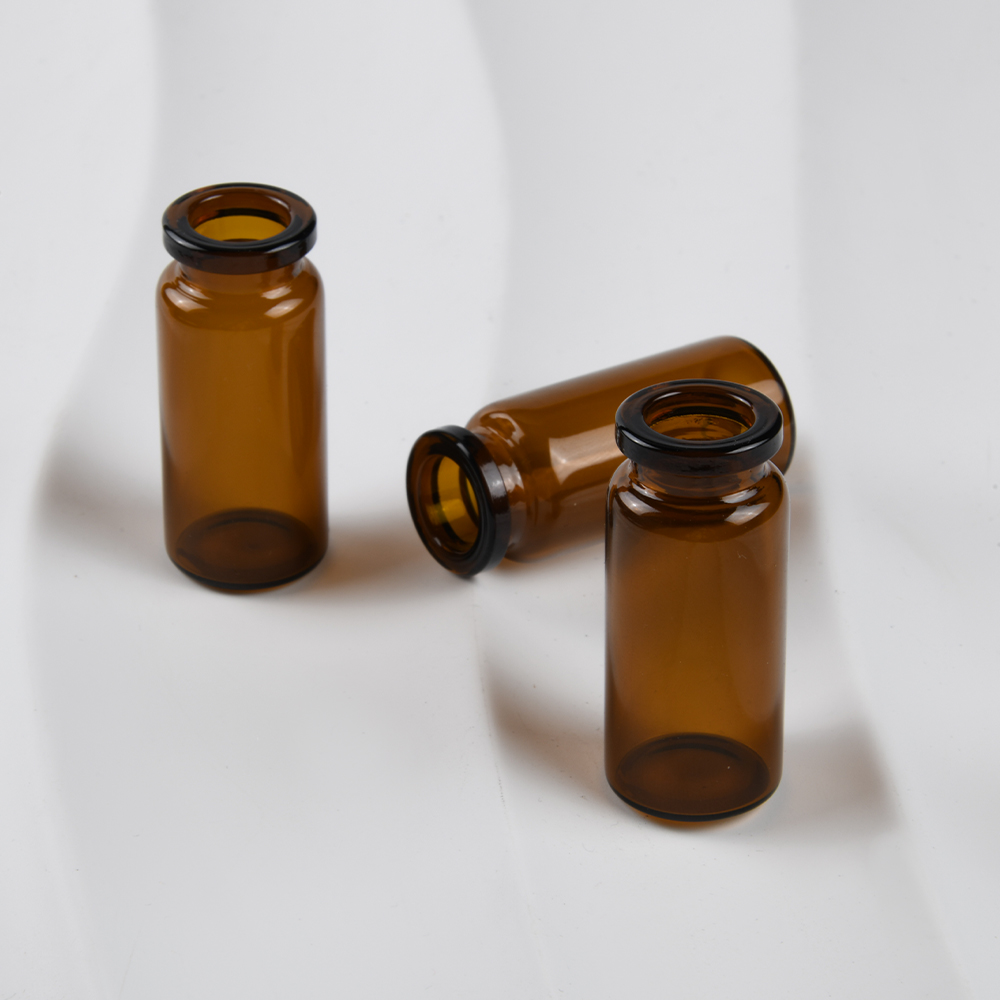
Material:Glass Type I
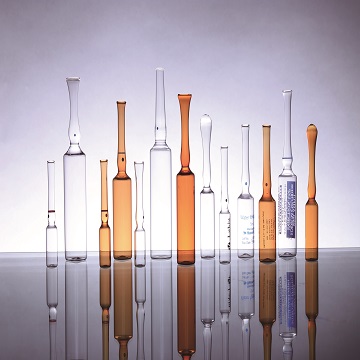
Color:Clear and amber
Design:ISO and YBB
Form:Form B and C
Place of Origin:Shandong
Service:Logo printing
Color: Clear and Amber
AI Product Description
*The following content is generated by AI and is for reference only.
Glass ampoules are hermetically sealed, single-use containers manufactured from high-quality borosilicate glass, widely utilized in the pharmaceutical and laboratory industries. Their primary function is to store and preserve liquid medications, vaccines, diagnostic reagents, and sterile solutions that require absolute protection against contamination, oxidation, and moisture. By providing a vacuum-sealed environment, ampoules ensure the long-term stability and sterility of sensitive compounds without the need for preservatives, making them ideal for parenteral administration where purity is paramount.
The design typically features a narrow neck that is easily snapped off using an integrated scoring line or a specialized opening tool. This mechanism allows for rapid access to the contents while maintaining a tamper-evident seal until the moment of use. Unlike vials with rubber stoppers, ampoules eliminate the risk of particulate shedding from closures and prevent microbial ingress once broken. They are commonly found in emergency medical kits, hospital pharmacies, and research facilities handling volatile or highly reactive substances.
However, several critical safety precautions must be observed when handling glass ampoules. First, operators should always wear appropriate personal protective equipment, including safety goggles and cut-resistant gloves, to mitigate the risk of injury from sharp glass shards during the breaking process. The snapping action can generate microscopic glass particles; therefore, it is recommended to wrap the neck with a sterile gauze or alcohol swab before breaking to contain debris. Additionally, users must inspect each ampoule visually prior to use to check for cracks, chips, or discoloration, as compromised integrity can lead to leakage or contamination. Proper disposal is equally important; used ampoules must be placed in designated sharps containers rather than regular trash to prevent accidental punctures. Finally, due to their fragility, storage conditions should avoid extreme temperature fluctuations or physical impact to maintain structural integrity. Adhering to these guidelines ensures both product efficacy and user safety in clinical and laboratory settings.





 (All Rights Reserved)