Product Description
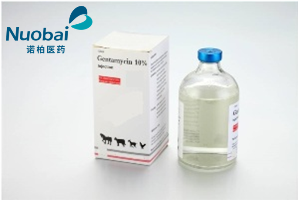
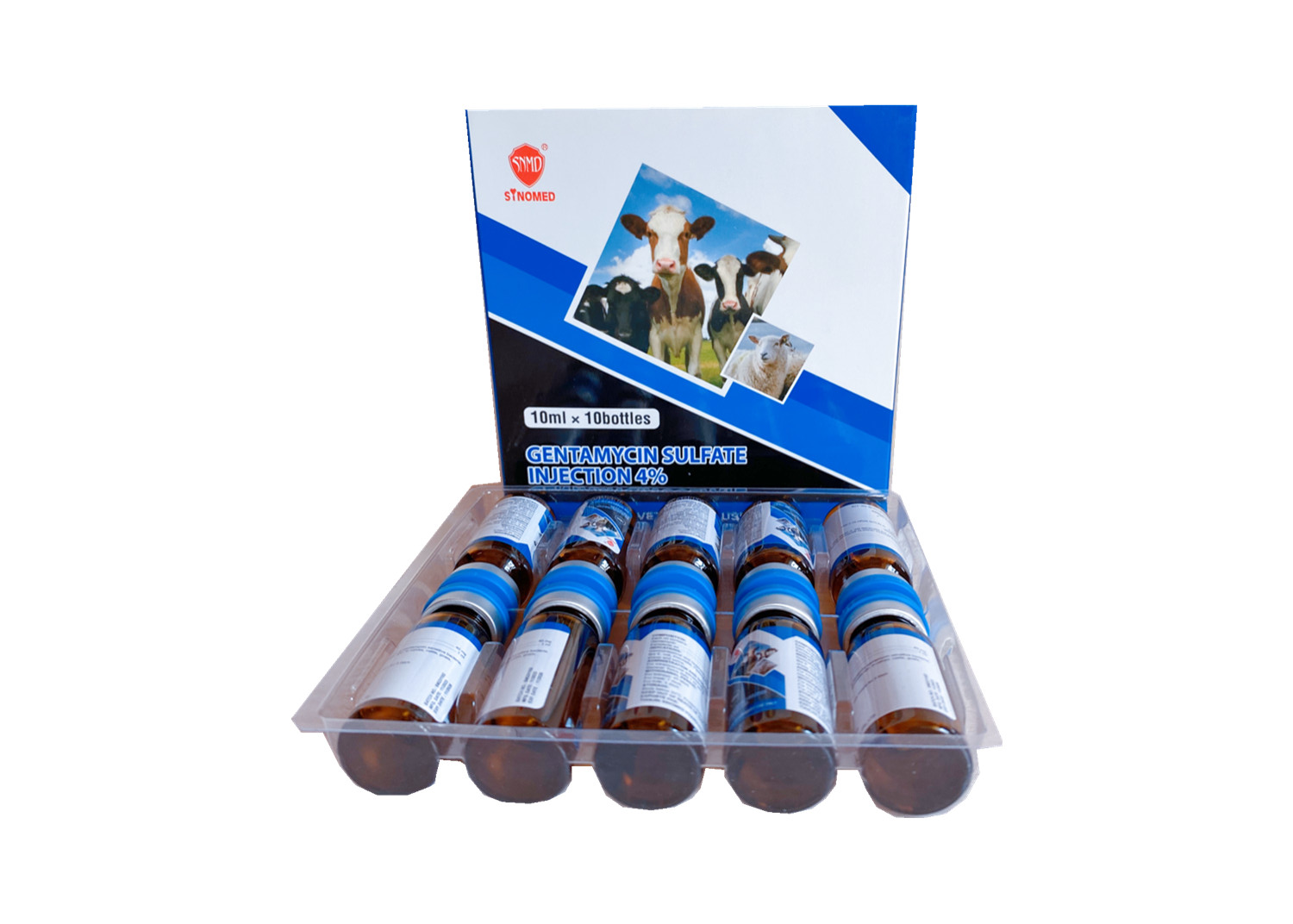
1.Product Name:Gentamicin sulfate injection
2.Specification:4% 10ml
3.Packing:10 bottles/box
4.Shelf Life: 36 months
5.Registration documents are available.
If you are interested in our products, please feel free to contact us.
AI Product Description
*The following content is generated by AI and is for reference only.
Gentamicin sulfate injection is a widely utilized aminoglycoside antibiotic derived from the bacterium *Micromonospora purpurea*. It serves as a potent therapeutic agent for treating serious infections caused by susceptible Gram-negative bacteria, including *Pseudomonas aeruginosa*, *Escherichia coli*, *Klebsiella* species, and *Proteus mirabilis*. The drug functions by binding irreversibly to the 30S ribosomal subunit of bacteria, thereby inhibiting protein synthesis and leading to bacterial cell death. Its broad-spectrum activity makes it particularly effective against multi-drug resistant strains where other antibiotics may fail.
The chemical composition of Gentamicin sulfate injection involves a complex mixture of related compounds, primarily gentamicin C1, C1a, C2, and C2a. The molecular formula is generally represented as C21H43N5O7·xH2SO4, reflecting its salt form with sulfuric acid to enhance solubility and stability in aqueous solutions. While specific CAS numbers vary slightly depending on the exact isotopic composition or manufacturer specifications, the primary component often corresponds to CAS No. 1405-41-0 for gentamicin sulfate. This injectable formulation is typically supplied as a clear, colorless solution intended for intramuscular or intravenous administration, ensuring rapid bioavailability in critical care scenarios such as sepsis, pneumonia, urinary tract infections, and complicated intra-abdominal infections.
Despite its efficacy, clinical use requires careful monitoring due to potential nephrotoxicity and ototoxicity. Therapeutic drug monitoring (TDM) is essential to maintain serum concentrations within a safe therapeutic window while minimizing adverse effects. Dosing regimens are frequently adjusted based on renal function, patient weight, and age, especially in pediatric and geriatric populations. Furthermore, resistance mechanisms, including enzymatic modification of the drug, can limit its effectiveness over time, necessitating prudent prescribing practices. As a cornerstone in modern antimicrobial therapy, Gentamicin sulfate injection remains indispensable in hospital settings for managing life-threatening bacterial infections, provided that medical professionals adhere strictly to safety protocols and guidelines. Its role continues to evolve alongside emerging resistance patterns, highlighting the need for ongoing research into optimized delivery systems and combination therapies.





 (All Rights Reserved)