Product Description
GMP+DMF
AI Product Description
*The following content is generated by AI and is for reference only.
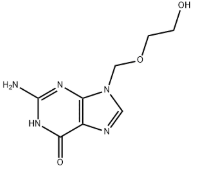
Ganciclovir is a potent synthetic guanosine analogue primarily utilized as an antiviral medication. Its molecular formula is C9H13N5O4, and it is uniquely identified by the CAS Registry Number 82410-32-0. This compound belongs to the class of nucleoside analogues, which function by mimicking natural building blocks of DNA, thereby interfering with viral replication processes. Ganciclovir is specifically indicated for the treatment of cytomegalovirus (CMV) infections, particularly in immunocompromised patients such as those with AIDS or individuals undergoing organ transplantation. CMV can cause severe complications including retinitis, colitis, pneumonitis, and esophagitis, making effective management critical for patient survival and quality of life.
The mechanism of action involves intracellular phosphorylation. Initially, the viral kinase enzyme UL97 converts ganciclovir into its monophosphate form. Subsequently, host cellular kinases further phosphorylate this intermediate into the active triphosphate metabolite. This active form competitively inhibits the viral DNA polymerase and incorporates itself into the growing viral DNA chain, causing premature termination of DNA synthesis. Because the initial phosphorylation step relies on a virus-specific kinase, the drug exhibits selective toxicity against infected cells, minimizing harm to uninfected host tissues compared to non-selective agents. However, significant side effects remain a concern, most notably bone marrow suppression leading to neutropenia, thrombocytopenia, and anemia. Other potential adverse reactions include gastrointestinal disturbances, fever, and headache.
Clinically, ganciclovir is administered via intravenous infusion for severe systemic infections or orally in the form of valganciclovir, a prodrug that offers superior bioavailability for maintenance therapy and less severe cases. It is also available as an intraocular implant for localized treatment of CMV retinitis. While highly effective, resistance can develop through mutations in the UL97 gene or the viral DNA polymerase, necessitating careful monitoring of viral loads and blood counts during prolonged treatment regimens. Despite its toxicity profile, ganciclovir remains a cornerstone therapy in managing CMV disease, significantly reducing morbidity and mortality in vulnerable populations worldwide. Ongoing research continues to explore novel delivery systems and combination therapies to enhance efficacy while mitigating adverse events associated with long-term use.




 (All Rights Reserved)