Product Description
In-house Standards
AI Product Description
*The following content is generated by AI and is for reference only.
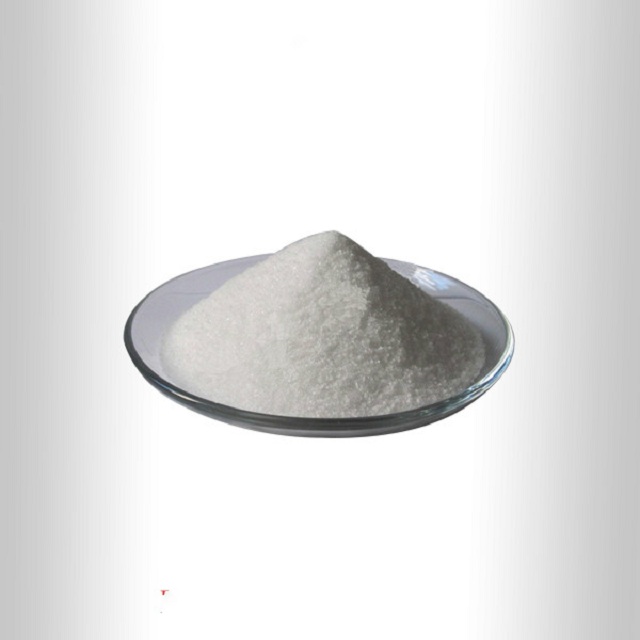
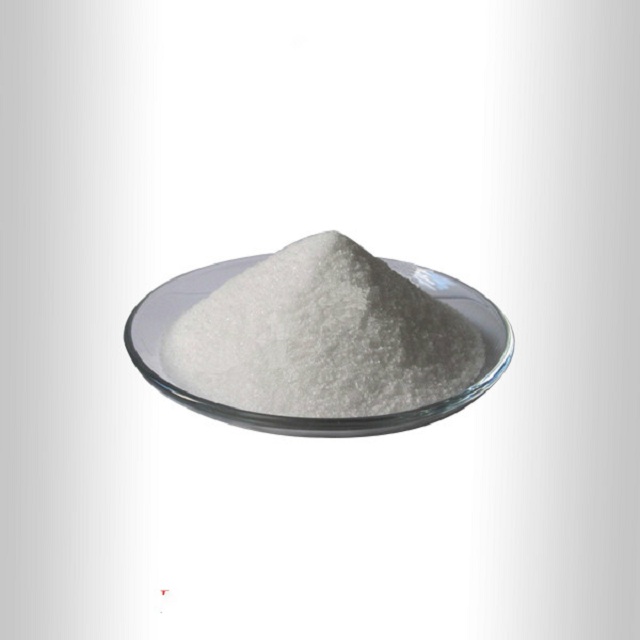
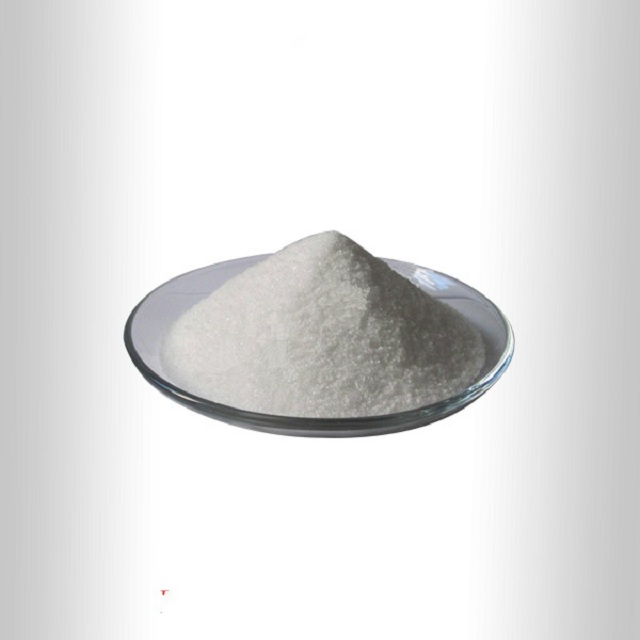
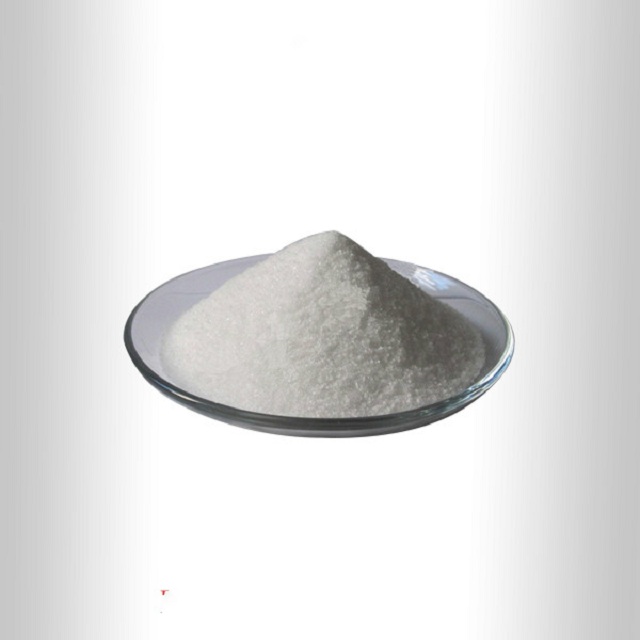
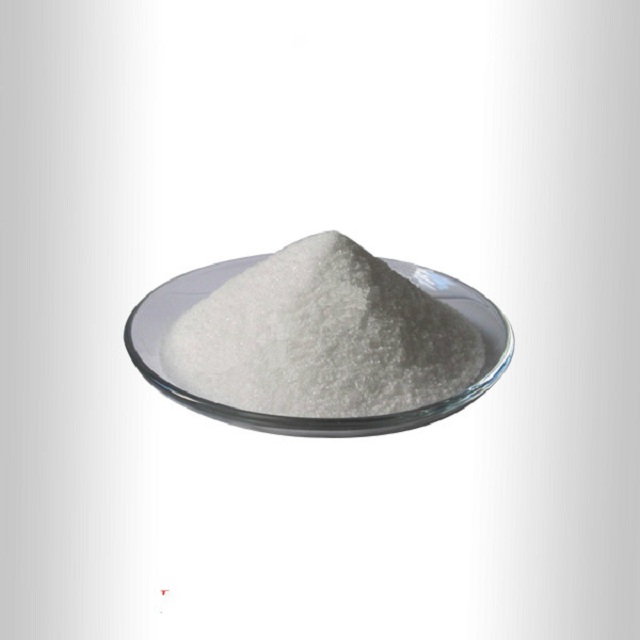
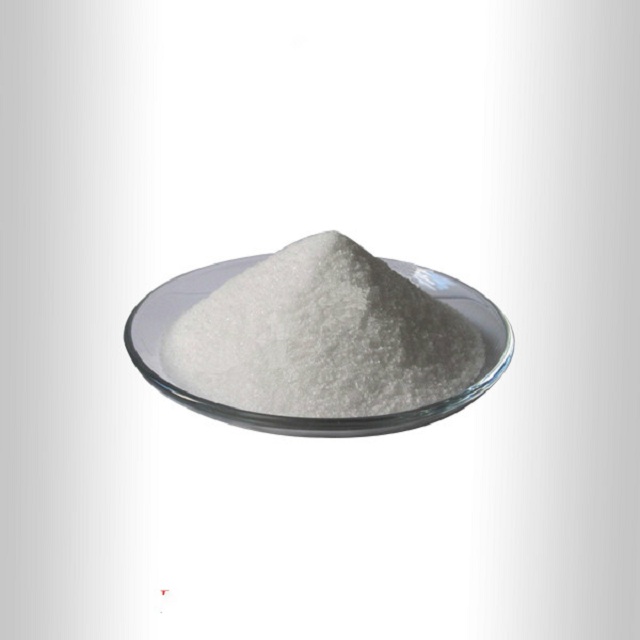
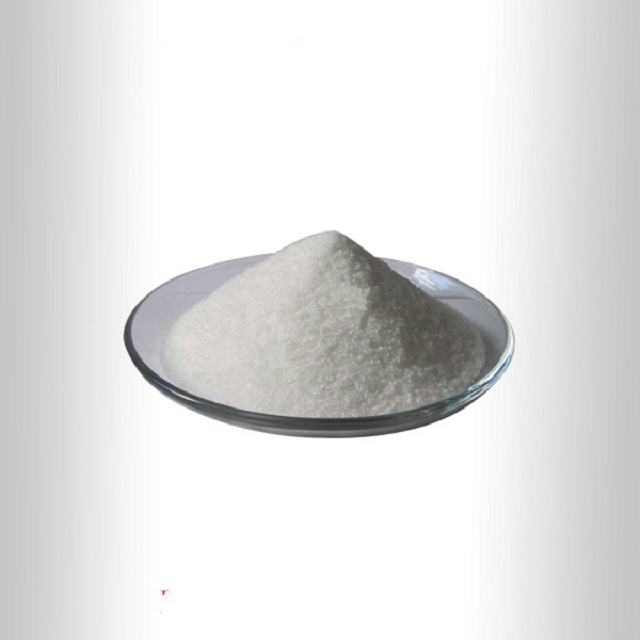
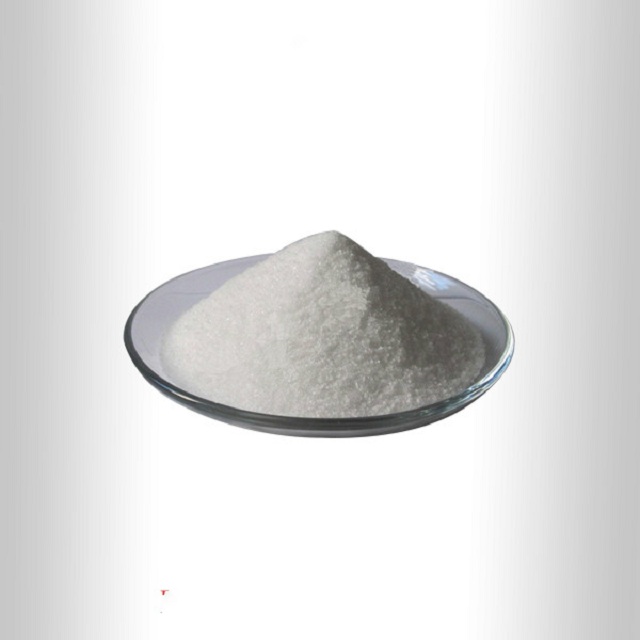
Gamma-Cyclodextrin hydrate, identified by the CAS Registry Number 17465-86-0, is a specialized cyclic oligosaccharide derived from the enzymatic degradation of starch. Its molecular formula is typically represented as C₄₂H₇₀O₃₅·xH₂O, where the water content varies depending on hydration levels, though the anhydrous core consists of eight glucose units linked by α-1,4-glycosidic bonds. Structurally, this molecule forms a truncated cone shape with a hydrophobic inner cavity and a hydrophilic outer surface, enabling it to act as a versatile host in supramolecular chemistry. This unique amphiphilic architecture allows gamma-cyclodextrin to encapsulate a wide range of guest molecules, including drugs, fragrances, and food additives, thereby enhancing their solubility, stability, and bioavailability.
In the pharmaceutical industry, gamma-cyclodextrin hydrate is extensively utilized to improve the dissolution rates of poorly water-soluble active pharmaceutical ingredients (APIs). By forming stable inclusion complexes, it facilitates better drug delivery systems, reduces toxicity, and masks unpleasant tastes or odors without altering the chemical structure of the active compound. Furthermore, its large cavity size makes it particularly effective for accommodating bulky organic molecules that cannot fit into smaller cyclodextrin variants like alpha or beta types. Beyond medicine, it serves critical roles in the food and beverage sectors as a stabilizer and flavor carrier, ensuring consistent product quality during storage. The cosmetic industry also leverages its properties to deliver active skincare ingredients deeply into the skin while protecting them from oxidation. Due to its high biocompatibility and low toxicity profile, gamma-cyclodextrin hydrate is considered a safe excipient for various applications. As research continues, its potential in nanotechnology and environmental remediation, such as capturing pollutants, expands its utility across diverse scientific disciplines, making it an indispensable reagent in modern formulation science.



 (All Rights Reserved)