Product Description
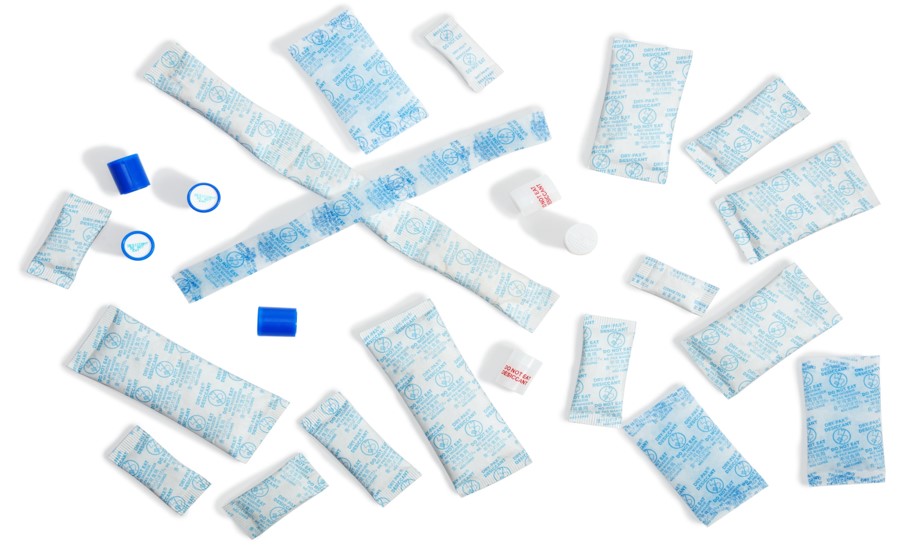
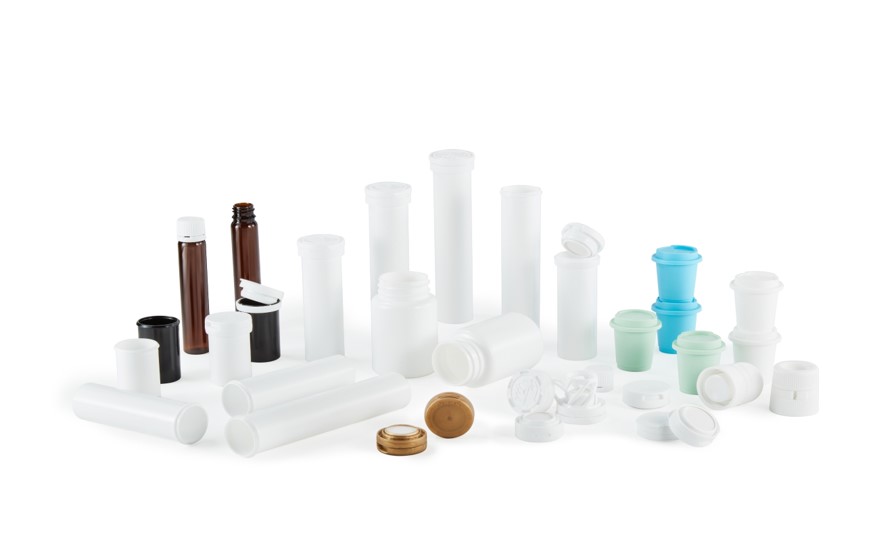
When the active agents are integrated into a closure or the bottom of a container, the need to insert a desiccant is eliminated and the packaging process is streamlined.
This method is widely used to package effervescent tablets and diagnostic strips. Tubes and Desiccant Stoppers that feature ergonomic flip-top functionality.
AI Product Description
*The following content is generated by AI and is for reference only.
Functional packaging represents a significant evolution in the global logistics and consumer goods sectors, moving beyond simple containment to offer active or intelligent capabilities. Unlike traditional packaging that merely protects products from physical damage, functional packaging is engineered to interact with the product or its environment to extend shelf life, ensure safety, or enhance user experience. Common applications include active packaging, which incorporates oxygen scavengers or antimicrobial agents to slow spoilage, and intelligent packaging featuring time-temperature indicators or freshness sensors that provide real-time data on product quality.
In the food industry, these solutions are vital for reducing waste by accurately monitoring perishable goods during transit and storage. In pharmaceuticals, functional packaging ensures drug integrity by protecting against moisture and light while preventing counterfeiting through smart labels. For e-commerce, durable yet lightweight materials optimize shipping costs while providing superior protection against rough handling. The integration of RFID tags allows for seamless inventory tracking and supply chain transparency, enabling brands to manage stock levels more efficiently.
However, several critical considerations must be addressed when implementing functional packaging. First, regulatory compliance varies significantly across regions; materials used for active components must meet strict food safety standards such as FDA or EFSA approvals. Second, cost remains a barrier, as advanced technologies often entail higher initial production expenses compared to conventional options. Third, end-of-life disposal poses environmental challenges. Many functional layers complicate recycling processes, potentially requiring specialized sorting facilities or biodegradable alternatives to minimize ecological impact. Consumers also need clear labeling to understand how to properly dispose of or use these innovative packages. Finally, supply chain readiness is essential, as integrating smart features may require upgrades to existing manufacturing lines and distribution systems. As technology advances, the balance between functionality, sustainability, and affordability will continue to shape the future of packaging design globally.



 (All Rights Reserved)