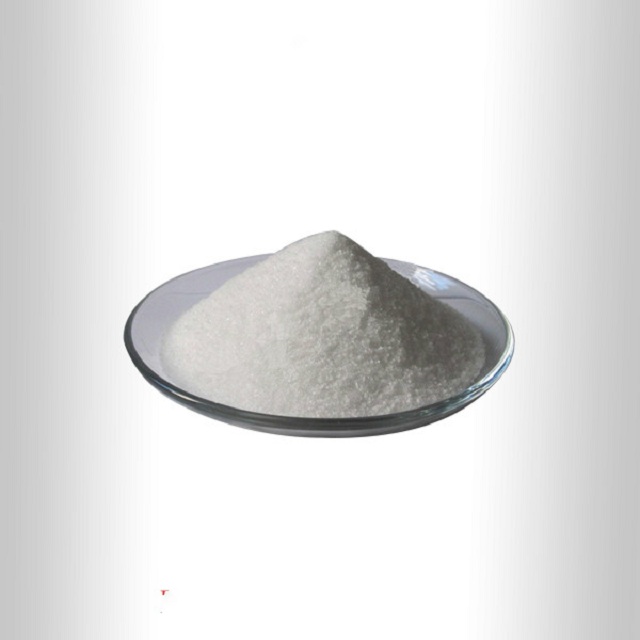
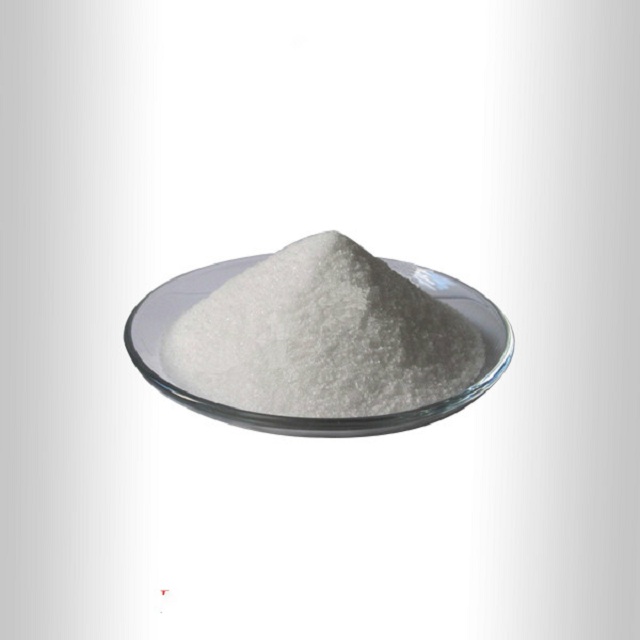
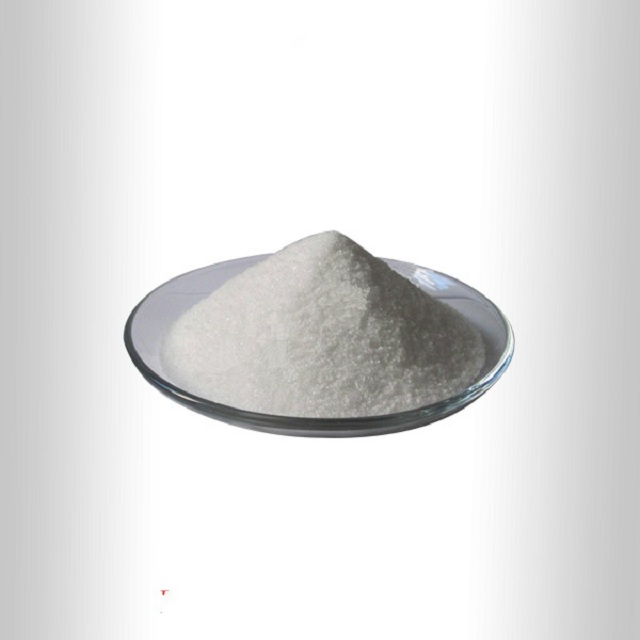
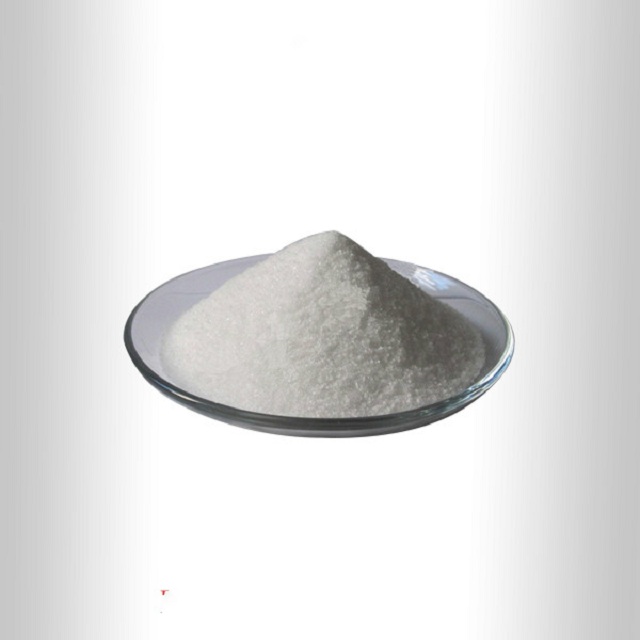
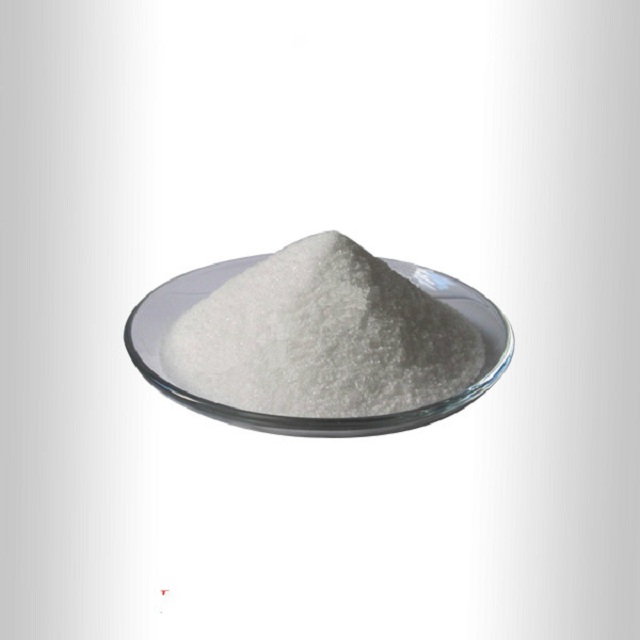
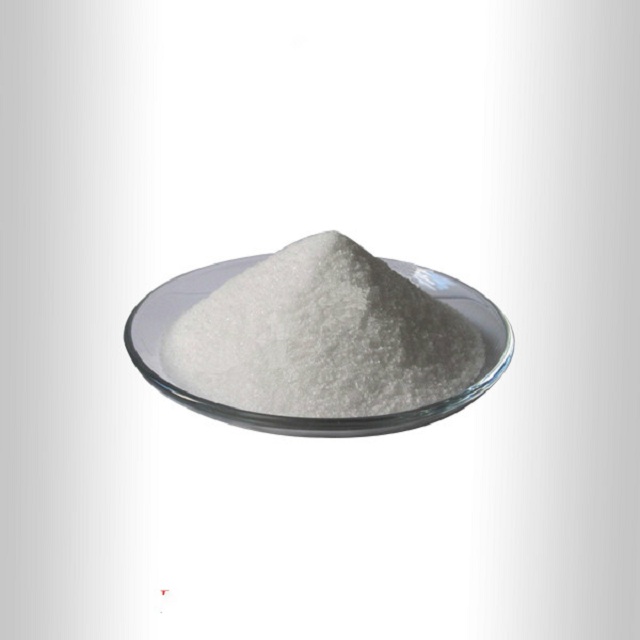
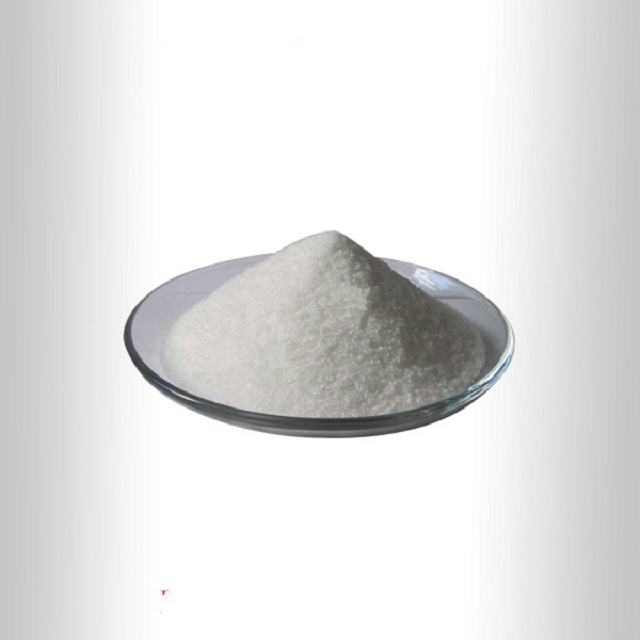
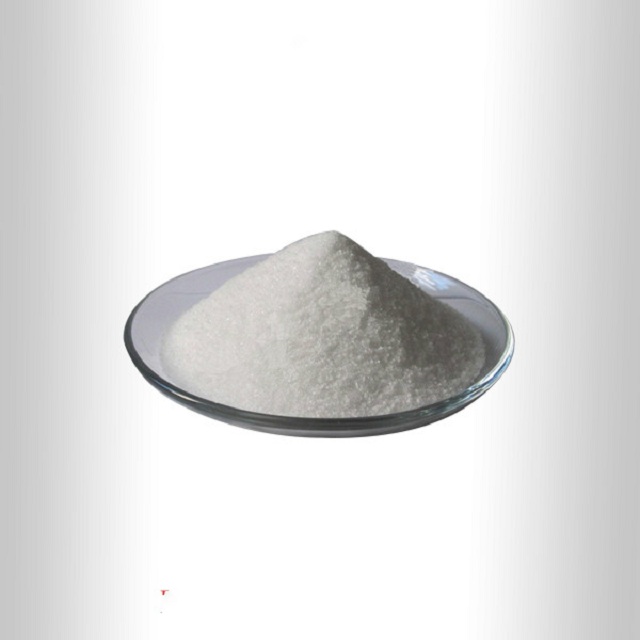
Product Description
please call me ,to know more
AI Product Description
*The following content is generated by AI and is for reference only.
The chemical identifier FULLERENE131159-39-2 refers to a specific variation of fullerene, most likely corresponding to the well-known C60 or a related carbon allotrope with the CAS number 131159-39-2. While standard C60 (Buckminsterfullerene) is widely recognized with CAS 99685-96-8, the provided code suggests a specialized derivative or a specific batch classification within the fullerene family. These spherical molecules consist entirely of carbon atoms arranged in a hollow cage structure, typically resembling a soccer ball geometry. The unique electronic and structural properties of fullerenes make them highly valuable across diverse scientific disciplines.
In materials science, these compounds are utilized as electron acceptors in organic photovoltaic cells, significantly enhancing solar energy conversion efficiency. Their ability to undergo reversible reduction reactions allows for applications in supercapacitors and advanced battery technologies. Furthermore, due to their antioxidant capabilities, fullerenes are increasingly explored in biomedical research for neuroprotection and anti-aging therapies. They can scavenge free radicals effectively, potentially mitigating oxidative stress in biological systems. In the realm of nanotechnology, functionalized fullerenes serve as building blocks for molecular machines and drug delivery vectors, capable of penetrating cell membranes to transport therapeutic agents directly to target sites.
Industrial applications also extend to lubricants and polymer additives, where their spherical shape reduces friction and improves material durability. Research continues into using these carbon cages as catalysts or supports for catalytic processes in green chemistry. Despite their complex synthesis and purification requirements, the versatility of this class of nanomaterials ensures their growing prominence in high-tech sectors. As manufacturing techniques advance, the cost of producing high-purity variants decreases, broadening their accessibility for commercial use. Whether employed in cutting-edge electronics, medical diagnostics, or sustainable energy solutions, these carbon nanostructures represent a cornerstone of modern nanoscience innovation. Their stability under extreme conditions further cements their role in developing next-generation functional materials that bridge the gap between fundamental chemistry and practical engineering applications.



 (All Rights Reserved)