Product Description
Whether to import
no
model
Fruit green
Main coloring ingredients
Fruit green
brand
Consult customer service
Source
Synthetic colorant
Product specifications
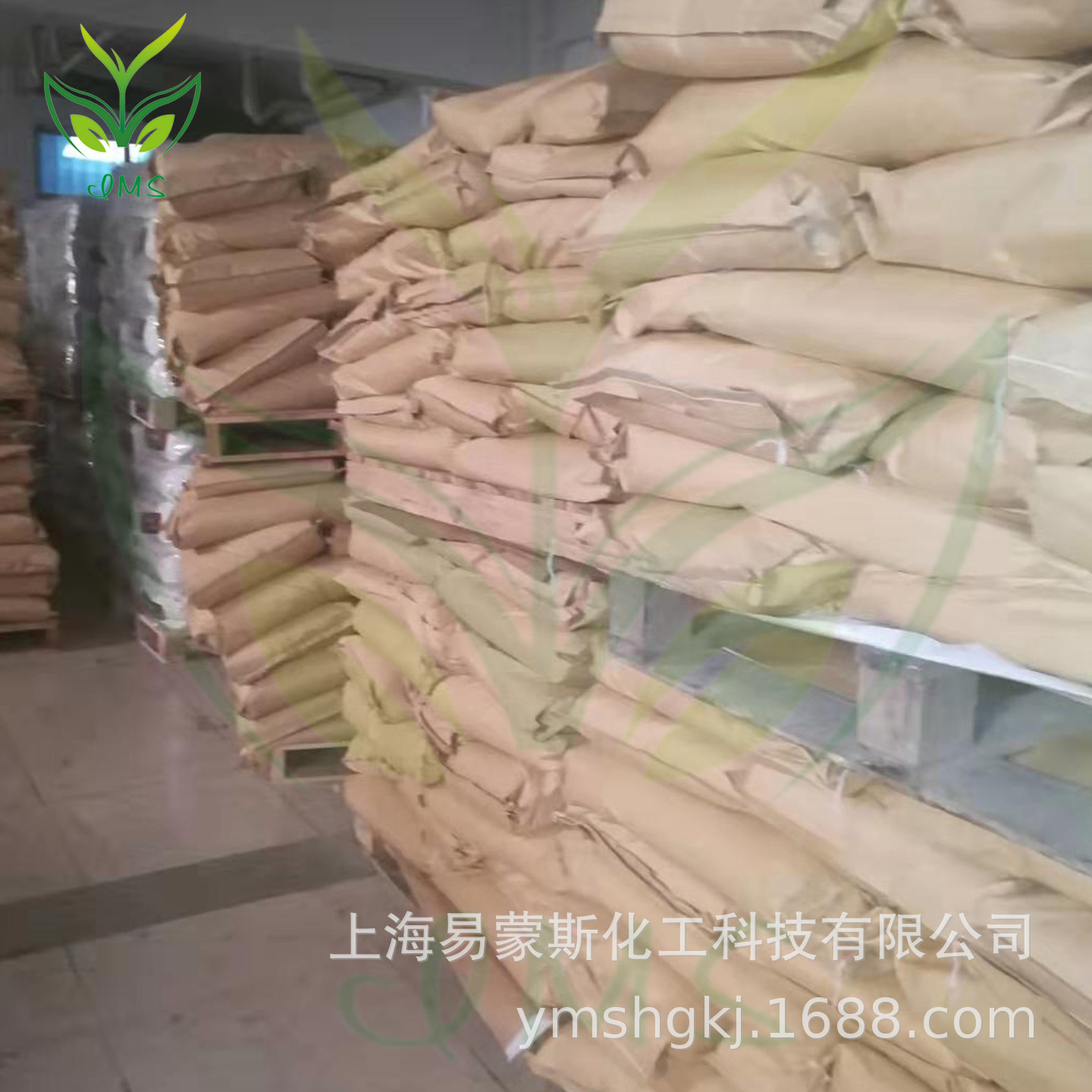
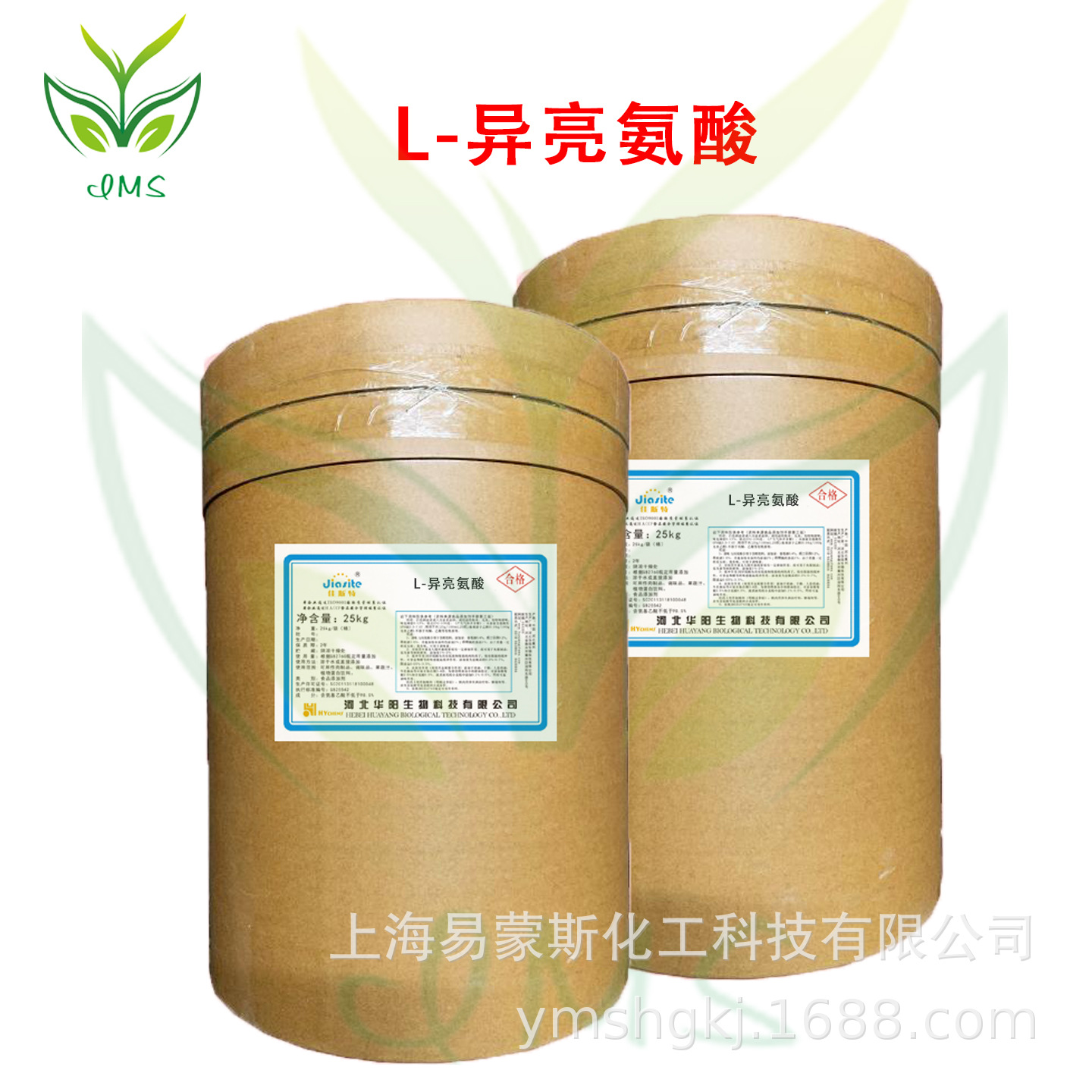
0.5kg x 10 bottles/carton, 5kg/plastic drum, 25kg/cardboard drum
Executive standard
GB
The main purpose
Widely used in food, cosmetics and other industries
CAS
Have
AI Product Description
*The following content is generated by AI and is for reference only.
This product is a specialized organic coloring agent widely utilized in the food, pharmaceutical, and cosmetic industries to impart a fresh, natural green hue to various formulations. Derived from plant-based sources, it serves as a preferred alternative to synthetic dyes due to its clean label appeal and safety profile. In the food sector, it is commonly applied to confectioneries, beverages, dairy products, and baked goods to enhance visual attractiveness without altering flavor profiles. Similarly, in cosmetics, it finds use in lip balms, creams, and hair care items where a non-toxic, skin-friendly pigment is essential.
The primary advantage of this pigment lies in its stability under moderate processing conditions, although its performance can be influenced by pH levels, light exposure, and temperature. To ensure optimal color retention, manufacturers should avoid extreme alkaline environments which may cause fading or shifting toward yellow tones. Additionally, prolonged exposure to direct sunlight or high heat during storage and manufacturing can degrade the chromophores, leading to a loss of vibrancy. It is crucial to maintain consistent mixing protocols to prevent uneven distribution within the final product matrix.
Safety guidelines emphasize adherence to local regulatory limits regarding daily intake and maximum usage concentrations. While generally recognized as safe for consumption when used within prescribed parameters, individuals with specific botanical allergies should exercise caution. Proper handling requires keeping the powder dry and sealed to prevent moisture absorption, which could lead to clumping or microbial growth. Storage should occur in a cool, dark place away from strong oxidizing agents. Before large-scale application, conducting small-batch compatibility tests is highly recommended to verify color consistency and interaction with other ingredients. By following these best practices, formulators can leverage the aesthetic and functional benefits of this natural pigment while ensuring product quality and consumer safety.



 (All Rights Reserved)