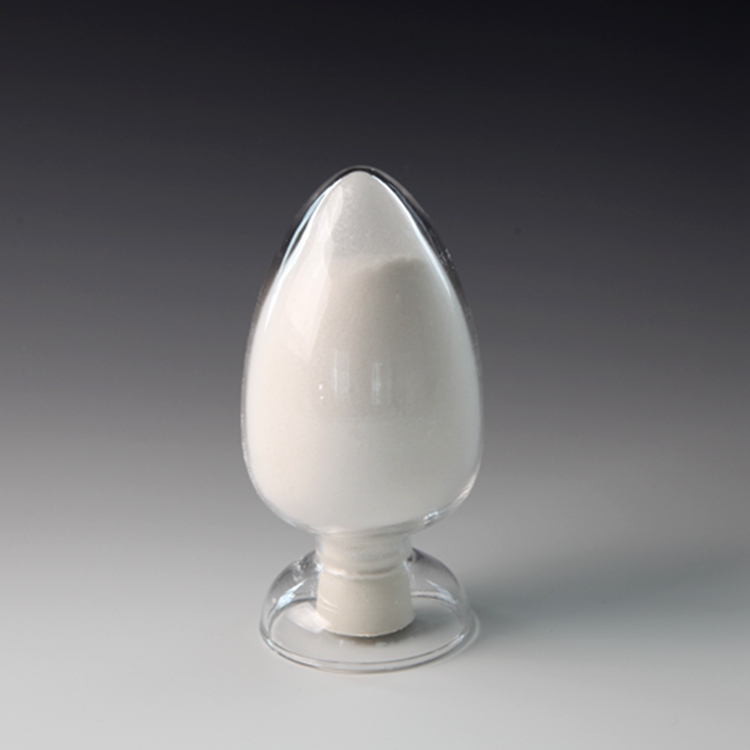
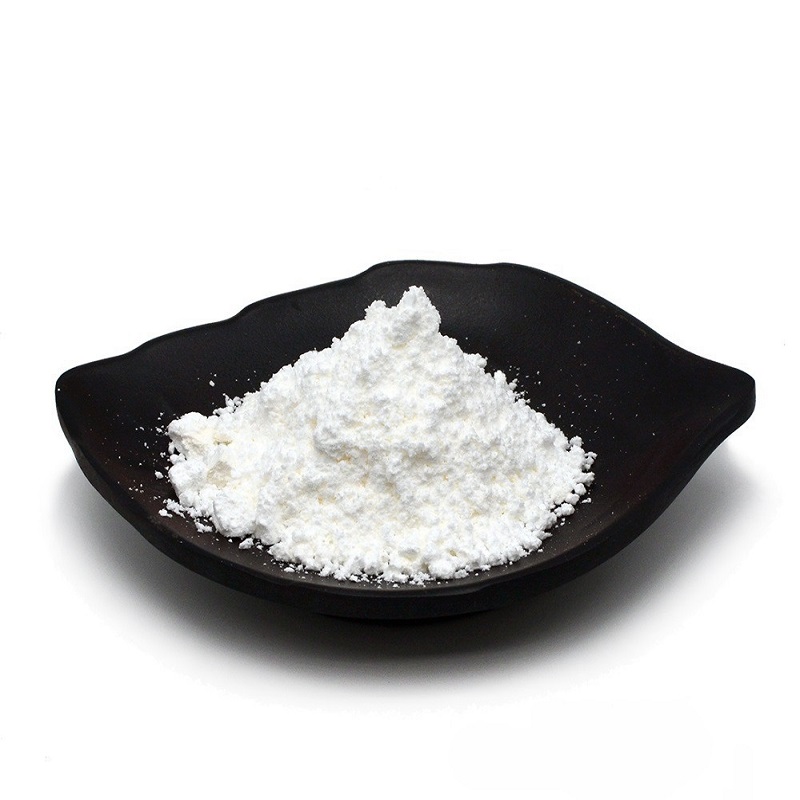
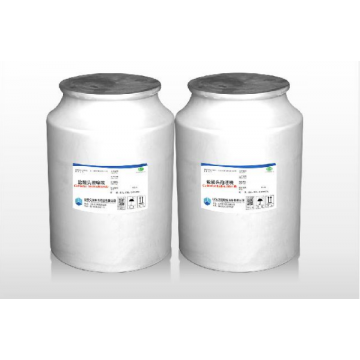
Function of Fosfomycin Sodium
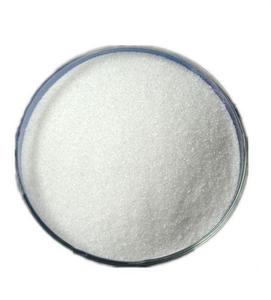
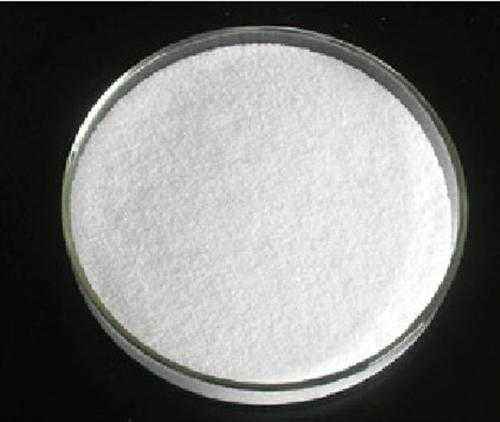
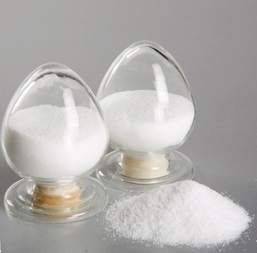
Fosfomycin Sodium is a kind of Antibiotics Products.
Fosfomycin Sodium is indicated in the treatment of urinary tract infections,
Fosfomycin Sodium is usually administered as a single oral megadose.
Application of Fosfomycin Sodium
Fosfomycin Sodium is used in combination with tobramycin to treat lung infections for patients with cystic fibrosis. The drug is well tolerated and has a low incidence of harmful side-effects.
*The following content is generated by AI and is for reference only.
Fosfomycin Sodium is the sodium salt form of fosfomycin, a broad-spectrum antibiotic belonging to the phosphonic acid class. Its chemical formula is C3H5NaO4P, and it carries the CAS registry number 3097-78-5. This compound serves as a crucial therapeutic agent in modern medicine, primarily utilized for treating uncomplicated urinary tract infections (UTIs) caused by susceptible strains of bacteria, such as Escherichia coli and Klebsiella species. Unlike many other antibiotics that target cell wall synthesis through different mechanisms, fosfomycin functions by inhibiting the enzyme MurA (enolpyruvyl transferase), which is essential for the early stage of bacterial peptidoglycan biosynthesis. By blocking this critical pathway, the drug effectively prevents the formation of the rigid cell wall structure necessary for bacterial survival and replication.
The sodium salt formulation is particularly valued for its high water solubility, making it ideal for intravenous administration or preparation for oral use. While fosfomycin trometamol is more commonly used orally for lower UTIs, the sodium variant is frequently administered intravenously for more severe systemic infections or when oral absorption is compromised. Its unique mechanism of action provides a significant advantage in treating multidrug-resistant organisms, including methicillin-resistant Staphylococcus aureus (MRSA) and vancomycin-resistant enterococci, often serving as a salvage therapy. Furthermore, fosfomycin exhibits low rates of cross-resistance with other antibiotic classes, preserving its efficacy where other drugs fail. It is generally well-tolerated, with common side effects being mild gastrointestinal disturbances or injection site reactions. Due to its distinct pharmacokinetic profile and ability to achieve high concentrations in urine, it remains a cornerstone in antimicrobial stewardship programs globally, offering a vital option against escalating resistance patterns in clinical settings.



 (All Rights Reserved)