Product Description
Reference Standards &Impurity
AI Product Description
*The following content is generated by AI and is for reference only.
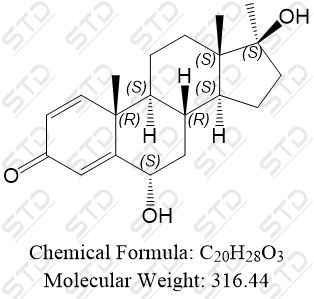
Fluoxymesterone, a potent synthetic anabolic-androgenic steroid (AAS), is chemically derived from dihydrotestosterone with significant structural modifications to enhance its oral bioavailability and anabolic potency. Its molecular formula is C20H29FO3, and it carries the unique Chemical Abstracts Service registry number 76-43-7. This compound features a hydroxyl group at the 11-beta position and a fluorine atom at the 9-alpha position, which collectively prevent rapid hepatic metabolism, allowing for effective administration via the oral route. Historically, Fluoxymesterone was developed primarily for medical applications involving conditions characterized by muscle wasting and delayed puberty in males. It has been utilized clinically to treat hypogonadism, where the body fails to produce sufficient testosterone, thereby restoring normal secondary sexual characteristics and metabolic function. Additionally, it has served as a therapeutic agent for certain types of breast cancer in women, acting as an anti-estrogenic agent to inhibit tumor growth.
In the realm of sports medicine and bodybuilding, despite strict regulatory bans by organizations like WADA, Fluoxymesterone is frequently sought after for its ability to rapidly increase lean muscle mass, strength, and aggression levels. Users often employ it during cutting cycles to preserve muscle tissue while reducing body fat, capitalizing on its high nitrogen retention properties. However, its usage is accompanied by severe health risks. As a 17-alpha-alkylated steroid, it places significant stress on the liver, potentially leading to hepatotoxicity, cholestasis, and liver tumors. Other adverse effects include cardiovascular strain, suppression of natural testosterone production, virilization in females, and psychological disturbances such as increased aggression or "roid rage." Due to these dangers, Fluoxymesterone is classified as a controlled substance in many countries, including the United States under the Controlled Substances Act, making non-prescription possession illegal. While it remains a powerful pharmacological tool when used strictly under medical supervision for legitimate endocrine disorders, its recreational application poses substantial threats to long-term health and safety.






 (All Rights Reserved)