Product Description
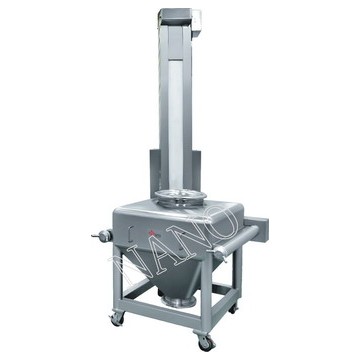
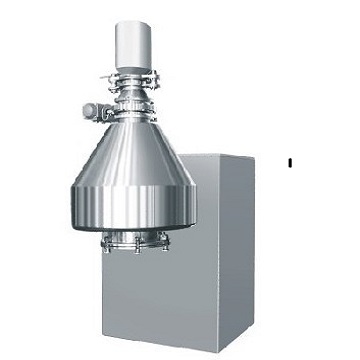
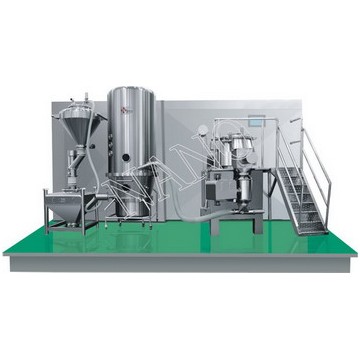
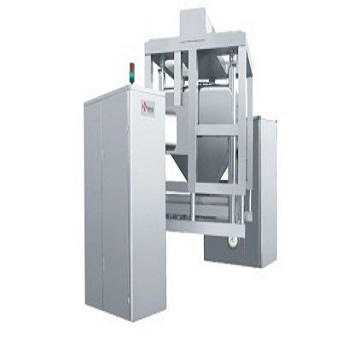
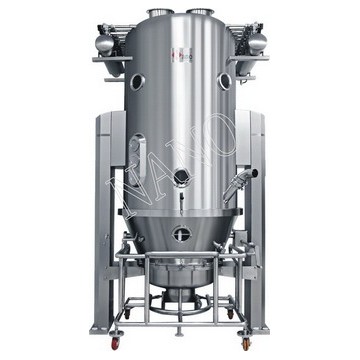
FBD is used for drying of wet granules in fluid bed. Fluid bed granulator makes use of spray and fluid bed technology to realize mixing, granulation and drying in one container. The fluidized powder is wetted by spaying binder until agglomeration occurs. As soon as the desired grain size is reached, spray is stopped and the wet granules are dried and cooled.making granules from powder in pharmaceutical, chemical and foodstuff industries.
AI Product Description
*The following content is generated by AI and is for reference only.
A fluid bed dryer is a versatile industrial unit designed for efficient drying, cooling, granulation, and coating of particulate materials. It operates on the principle of fluidization, where a stream of heated air passes upward through a perforated plate, suspending solid particles in a state that resembles a boiling liquid. This intense mixing ensures uniform heat and mass transfer, significantly reducing processing time compared to traditional tray or rotary dryers. The equipment is widely utilized across pharmaceuticals, food processing, chemicals, and agriculture industries to handle powders, granules, crystals, and pellets with varying moisture contents.
Key applications include removing residual solvents from active pharmaceutical ingredients, dehydrating food products like instant coffee or fruit pieces, and agglomerating fine chemical powders into free-flowing granules. The system offers exceptional temperature control, allowing gentle drying of heat-sensitive materials without degradation. Its modular design supports both batch and continuous operations, making it adaptable to diverse production scales. Additionally, the closed-loop configuration minimizes dust emission and solvent recovery, enhancing environmental safety and operator health.
Safety and operational precautions are critical for optimal performance. Operators must ensure proper airflow velocity to maintain stable fluidization; insufficient air causes channeling, while excessive flow leads to particle entrainment. Regular inspection of the distributor plate and filter bags is essential to prevent clogging and pressure buildup. Before startup, all safety interlocks, emergency stops, and grounding connections should be verified. For flammable solvents, inert gas purging and explosion-proof electrical components are mandatory to mitigate fire risks. Temperature sensors must be calibrated frequently to avoid overheating. Furthermore, cleaning procedures between batches are vital to prevent cross-contamination, especially in multi-product facilities. Proper PPE, including heat-resistant gloves and eye protection, must be worn during maintenance. Training personnel on emergency shutdown protocols and material handling characteristics ensures safe and efficient operation. By adhering to these guidelines, manufacturers can maximize throughput, product quality, and equipment longevity while maintaining strict compliance with industry standards.





 (All Rights Reserved)