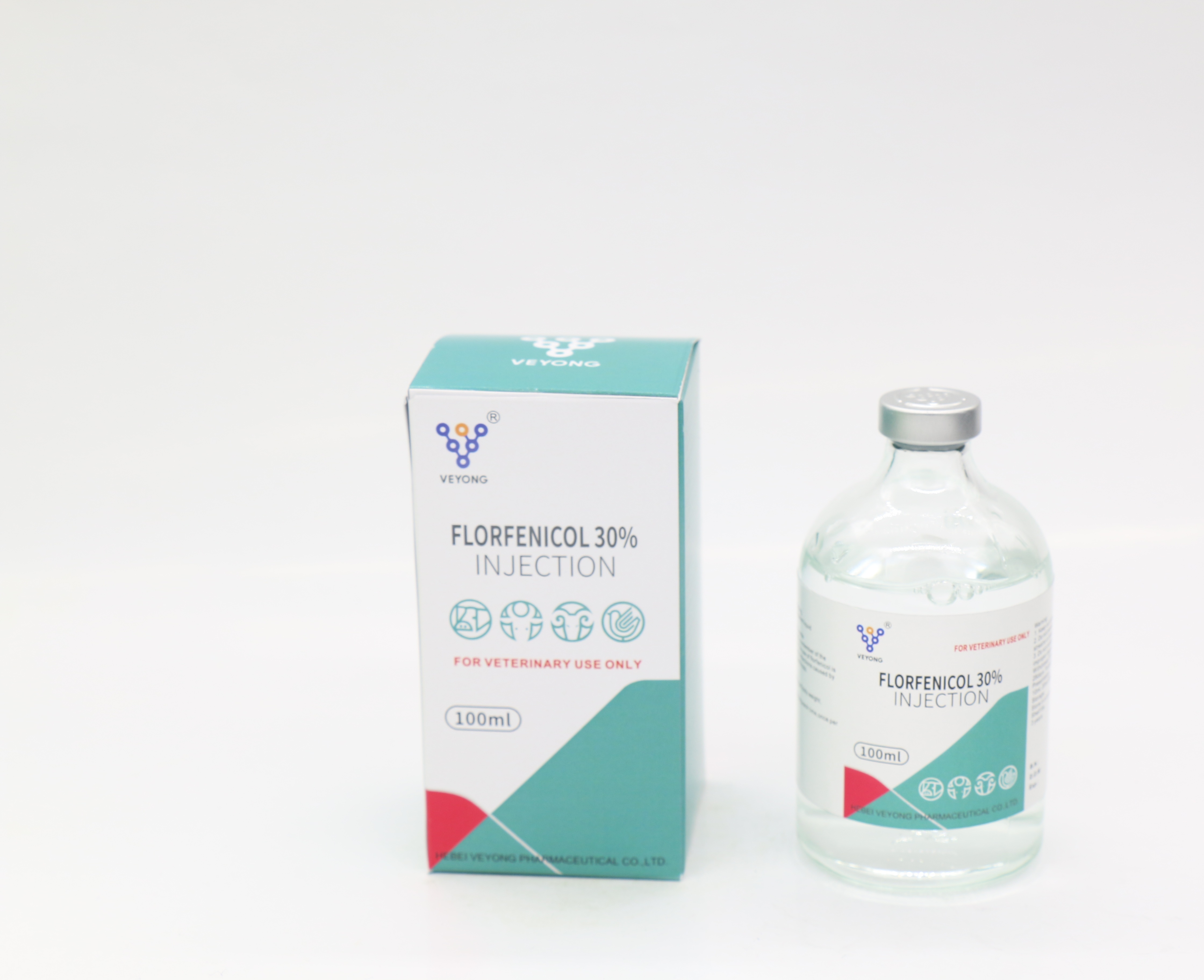
Description: Florfenicol injection is light yellow to straw-colored solution.
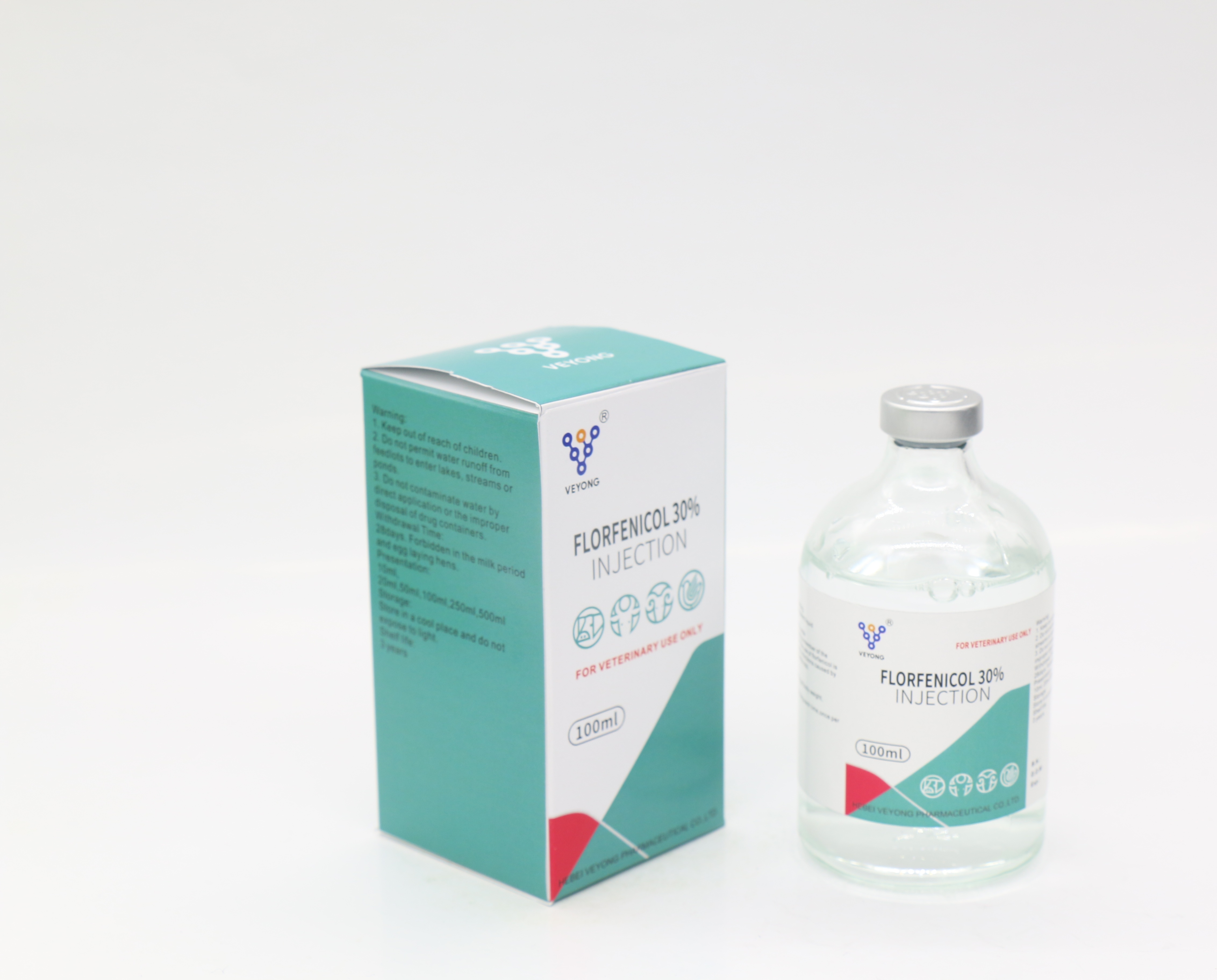
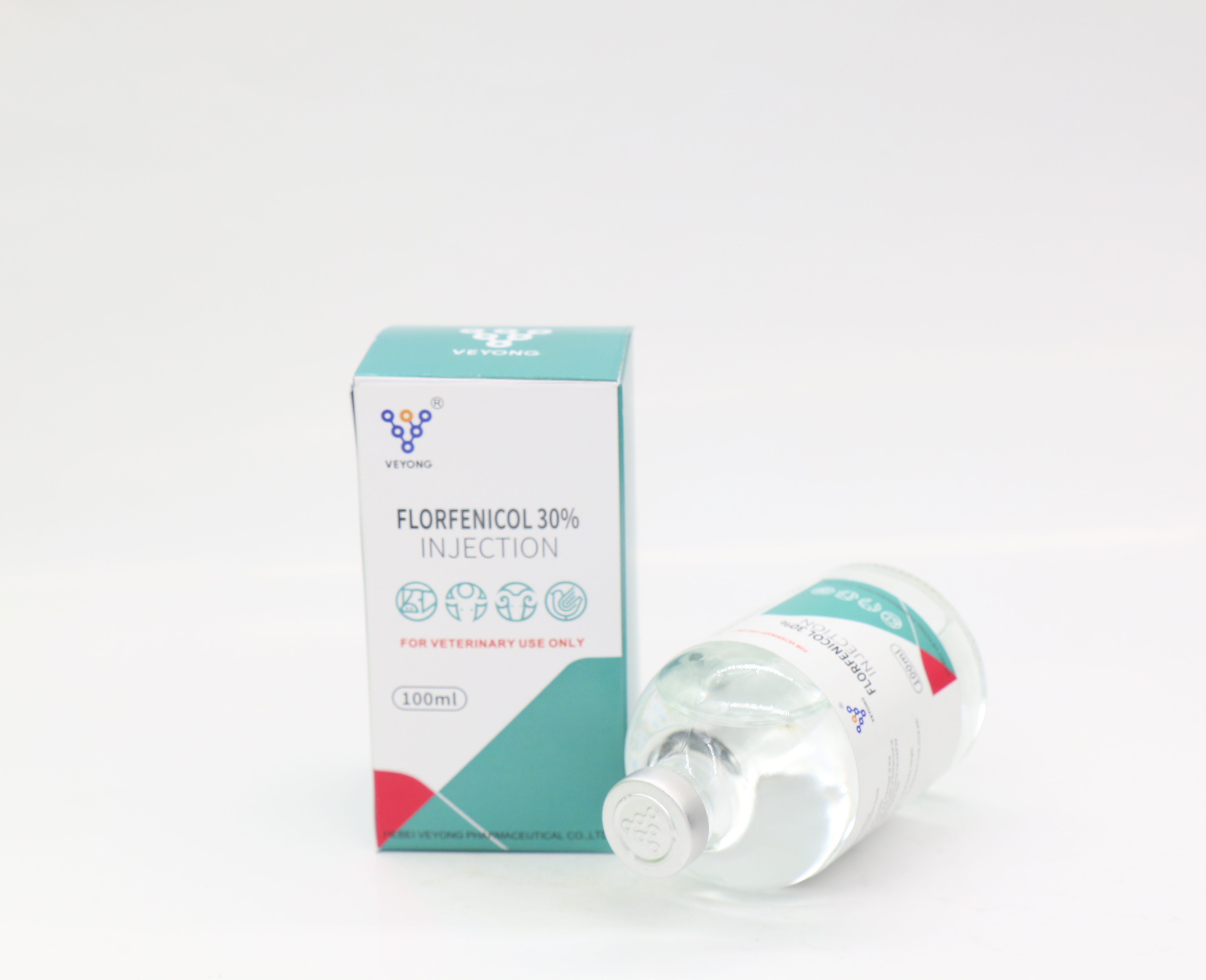
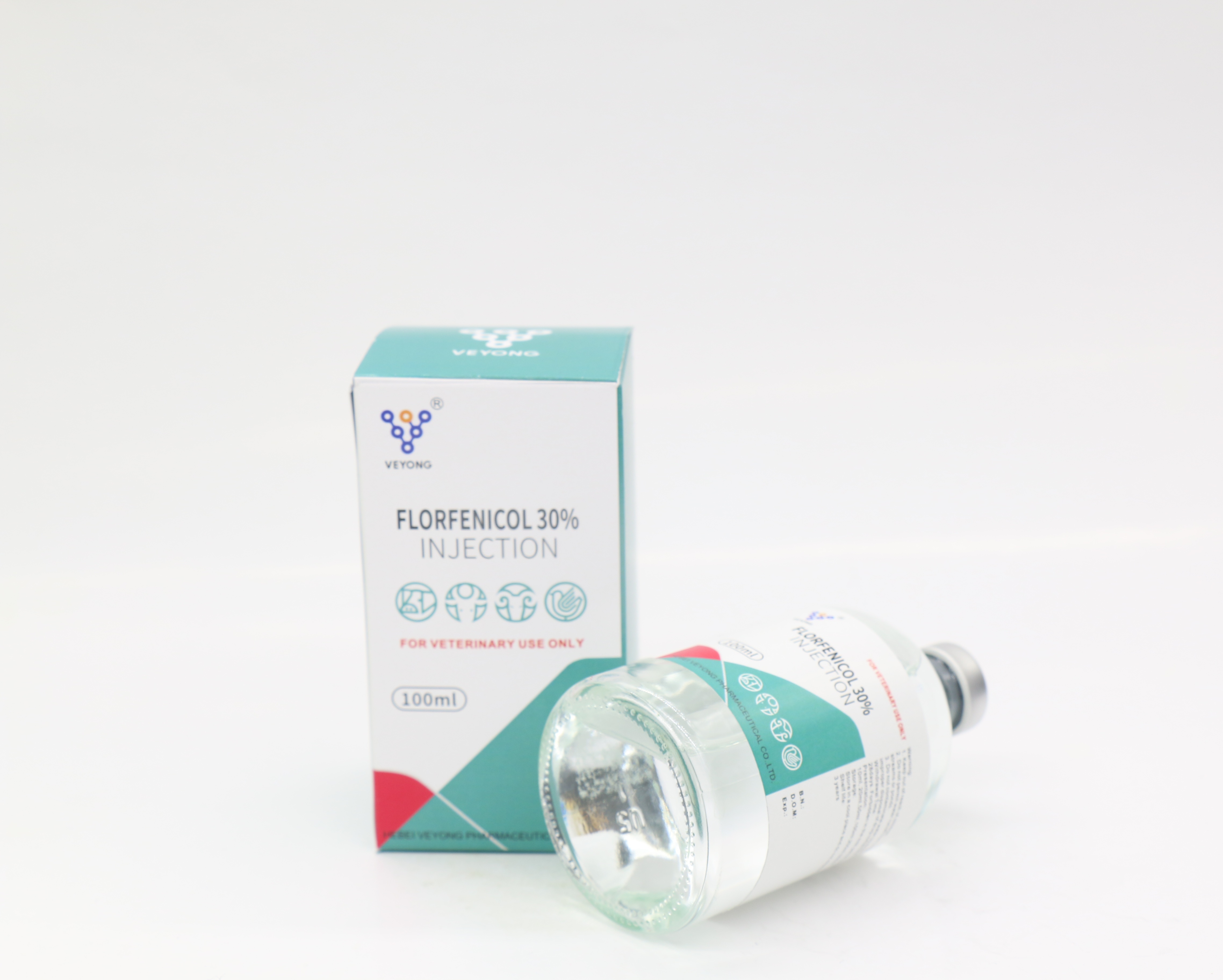
Package: 10ml/bottle,20ml/bottle,50ml/bottle,100ml/bottle
Specification]:300mg/ml
Caution:Withdrawal days:28 days
Storage:Stored away from light and between 2°-30°C.
*The following content is generated by AI and is for reference only.
Florfenicol injection is a broad-spectrum, synthetic antibiotic belonging to the amphenicol class, widely utilized in veterinary medicine to treat bacterial infections in food-producing and non-food-producing animals. Its primary mechanism involves inhibiting bacterial protein synthesis by binding to the 50S ribosomal subunit, effectively halting the growth of susceptible pathogens. This injectable formulation is particularly effective against Gram-negative bacteria such as *Pasteurella multocida*, *Actinobacillus pleuropneumoniae*, and *Salmonella* species, making it a critical treatment for respiratory diseases like porcine respiratory disease complex (PRDC) in swine, bovine respiratory disease (BRD) in cattle, and various systemic infections in poultry and fish.
The drug exhibits excellent tissue penetration and remains stable in the body, allowing for once-daily dosing regimens that improve compliance and therapeutic outcomes. It is often preferred due to its efficacy against strains resistant to other common antibiotics like tetracyclines or sulfonamides. However, strict adherence to withdrawal periods is mandatory before animals enter the human food chain to prevent residue contamination in meat, milk, or eggs. Regulatory agencies globally enforce specific maximum residue limits (MRLs) to ensure consumer safety.
Several important precautions must be observed during administration. Florfenicol should not be administered intravenously in large volumes rapidly, as this may cause acute cardiovascular collapse. It is contraindicated in animals with known hypersensitivity to amphenicols. Furthermore, cross-resistance between florfenicol and chloramphenicol exists; therefore, it should be used cautiously in patients receiving other amphenicol derivatives. In pregnant or lactating animals, potential risks to offspring must be weighed against benefits, although data suggests limited transfer into milk. Veterinary oversight is essential to determine appropriate dosage based on species, weight, and infection severity. Improper use can lead to treatment failure or contribute to antimicrobial resistance. Always follow local regulations regarding prescription status and record-keeping to maintain public health standards and ensure responsible antibiotic stewardship in livestock production systems.








 (All Rights Reserved)