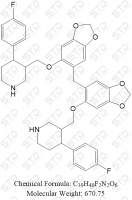
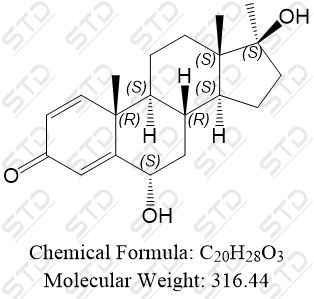
Product Description
Reference Standards &Impurity
AI Product Description
*The following content is generated by AI and is for reference only.
Flecainide is a potent Class IC antiarrhythmic agent primarily utilized for the management and prevention of life-threatening ventricular arrhythmias, as well as paroxysmal atrial fibrillation and atrial flutter. Chemically known as 2-[2-(dipropylamino)ethoxy]methyl-5-methoxybenzamide, its molecular formula is C19H28NO3 and it bears the CAS Registry Number 22763-99-7. This compound functions by blocking fast sodium channels in cardiac myocytes, thereby significantly slowing conduction velocity within the His-Purkinje system and ventricular tissue without markedly affecting repolarization or refractoriness at therapeutic doses. Due to this mechanism, Flecainide effectively suppresses re-entrant circuits that sustain abnormal heart rhythms.
Clinically, it is indicated for patients with structurally normal hearts who suffer from symptomatic atrial fibrillation or ventricular tachycardia. It is often administered orally as tablets or capsules, with dosing carefully titrated based on individual patient response and renal function. However, its use is strictly governed by the CAST trial findings, which revealed an increased risk of mortality in post-myocardial infarction patients treated with Class IC agents. Consequently, Flecainide is contraindicated in individuals with significant structural heart disease, including recent myocardial infarction, severe left ventricular dysfunction, or uncorrected electrolyte imbalances. Common side effects include dizziness, visual disturbances, nausea, and palpitations. Serious adverse events may involve proarrhythmia, where the drug paradoxically induces new or worsened arrhythmias. Drug interactions are also significant, particularly with inhibitors of CYP2D6, such as quinidine or fluoxetine, which can elevate plasma levels of Flecainide. Regular monitoring of ECG parameters, specifically PR and QRS intervals, is essential during therapy to ensure safety and efficacy. As a prescription-only medication, Flecainide requires careful patient selection and ongoing clinical supervision to mitigate risks while providing effective rhythm control.












 (All Rights Reserved)