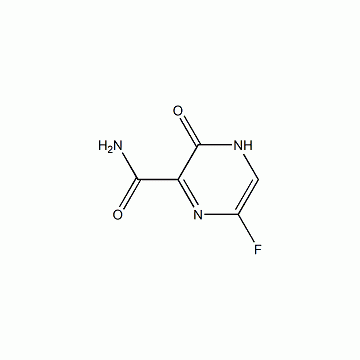
Favipiravir, as a new broad-spectrum anti-rna virus drug, was approved to be marketed in Japan in March 2014 for the antiviral treatment of influenza a and b.
Research shows that in addition to influenza virus, familavir also shows good antiviral activity against a variety of RNA viruses, such as ebola virus, sand virus, bunya virus, rabies virus.Recent studies have shown that fabivir has a certain inhibitory effect on COVID-19.
*The following content is generated by AI and is for reference only.
Favipiravir, chemically known as 6-fluoro-3-hydroxy-2-pyrazinecarboxamide, is a novel broad-spectrum antiviral agent designed to inhibit viral RNA-dependent RNA polymerase. With the molecular formula C5H4FN3O2 and a CAS registry number of 1078917-98-8, this compound has emerged as a critical therapeutic option in the global fight against emerging viral outbreaks. Originally developed by Toyama Chemical Co., Ltd., a subsidiary of Fujifilm Holdings, Favipiravir operates through a unique mechanism of action. Upon entering infected cells, it is metabolized into its active ribofuranosyl triphosphate form, which mimics natural nucleotides like adenosine and guanosine. This mimicry allows the drug to be incorporated into the growing viral RNA chain, causing lethal mutagenesis or premature termination of replication, thereby halting the spread of the virus within the host.
The primary clinical application of Favipiravir involves the treatment of influenza A and B viruses, where it has demonstrated efficacy in reducing viral load and shortening symptom duration when administered early in the infection course. Its utility expanded significantly during the COVID-19 pandemic, where it was authorized for emergency use in several countries, including Japan and China, to treat mild to moderate cases caused by SARS-CoV-2. Beyond influenza and coronaviruses, preclinical studies suggest potential activity against other RNA viruses such as Ebola, Marburg, and Lassa fever, positioning it as a versatile candidate for stockpiling against future pandemics. While generally well-tolerated, the drug requires careful monitoring due to potential side effects like elevated uric acid levels and teratogenic risks, necessitating strict contraindications for pregnant women. As research continues, Favipiravir remains a cornerstone in antiviral pharmacology, offering hope for rapid response strategies against novel respiratory pathogens that lack specific vaccines or targeted treatments.





 (All Rights Reserved)
![6-broMo-2-chloro-8-cyclopentyl-5-Methylpyrido[2,3-d]pyriMidin-7(8H)-one](https://eimg.pharmasources.com/image/20250617/4zoOybJjzUTk0UgguabMkX7VnrDIlxHluERwqkjK.jpg)