Product Description
Product Name: Ethacridine Lactate
CAS No.: 6402-23-9; 1837-57-6
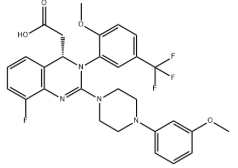
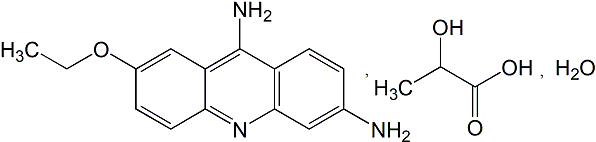
Structure:
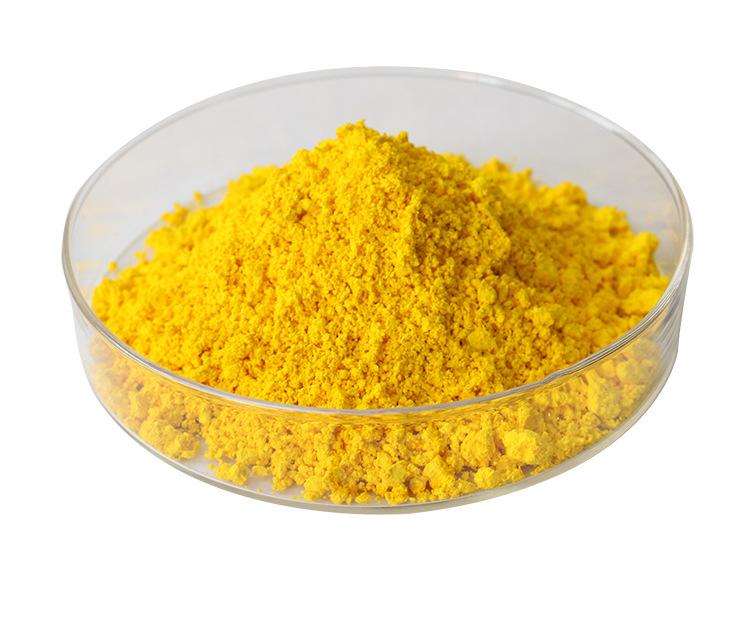
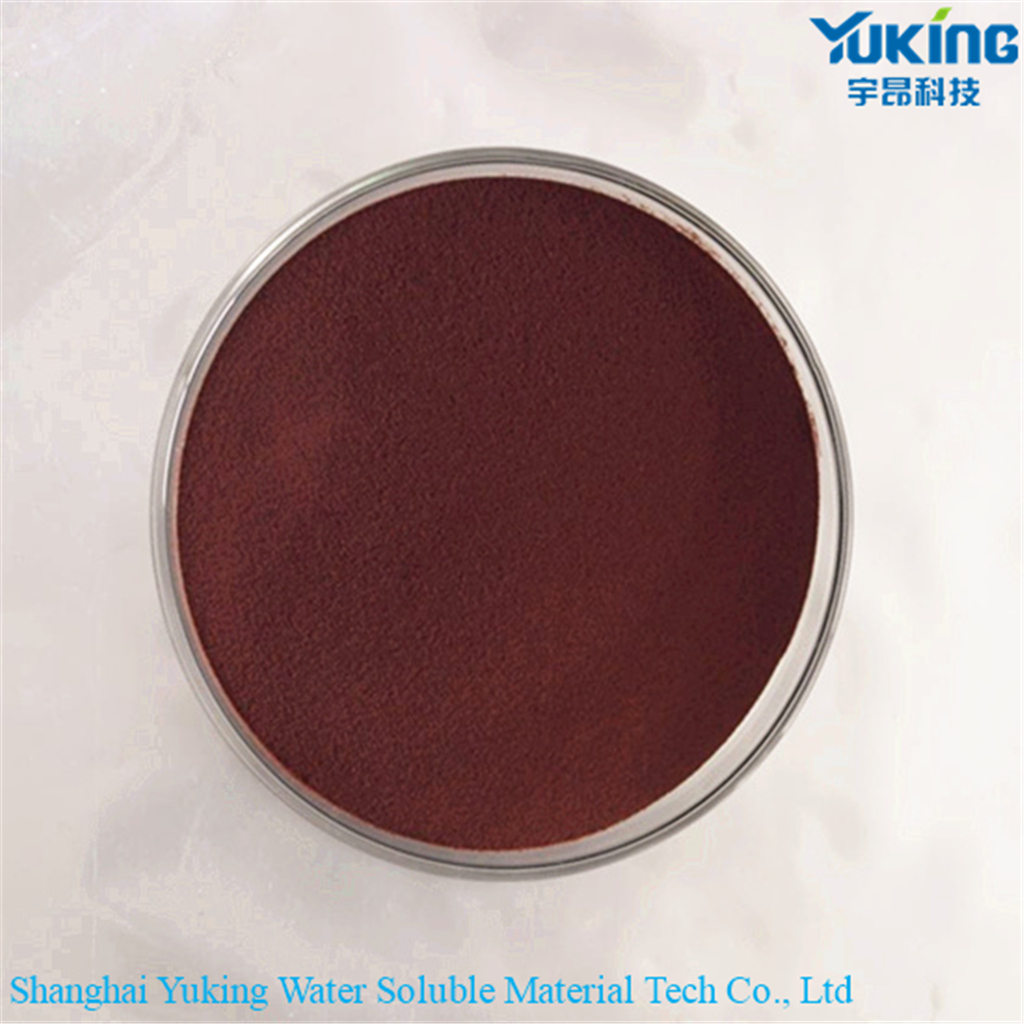
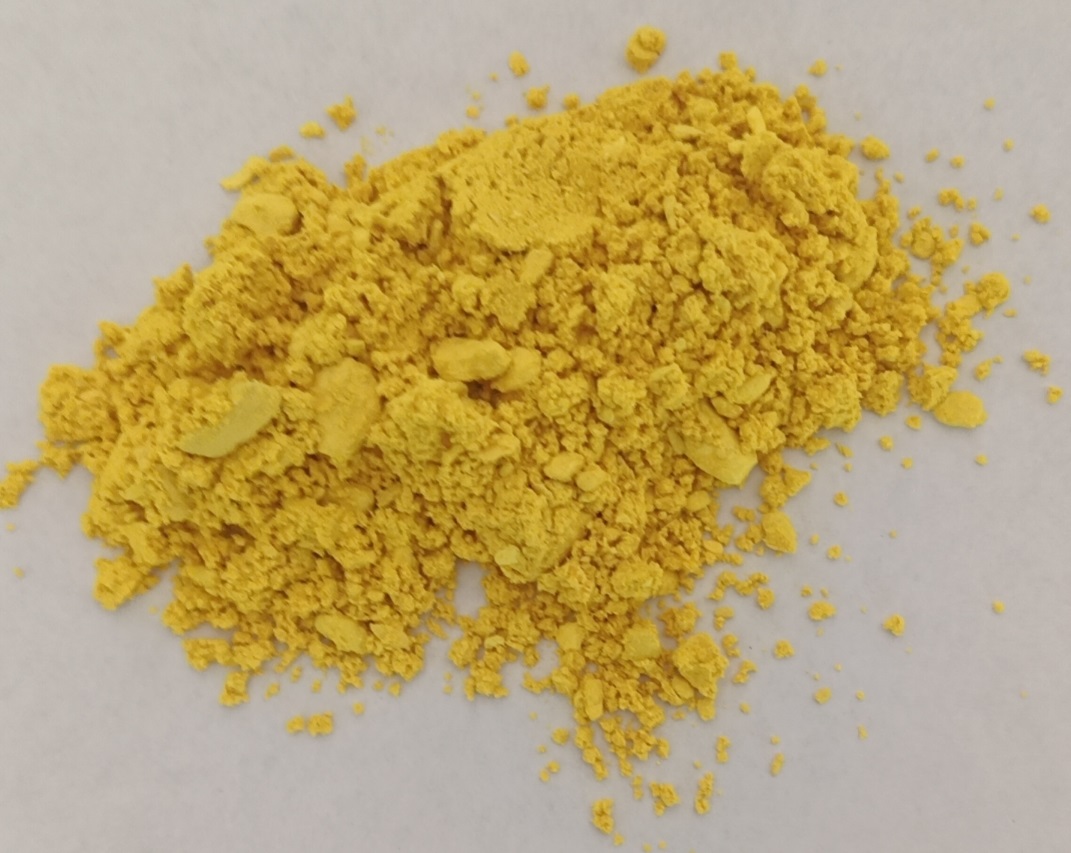
Appearance: yellow crystalline powder
Specification: CP/EP
Application: Disinfectant raw material
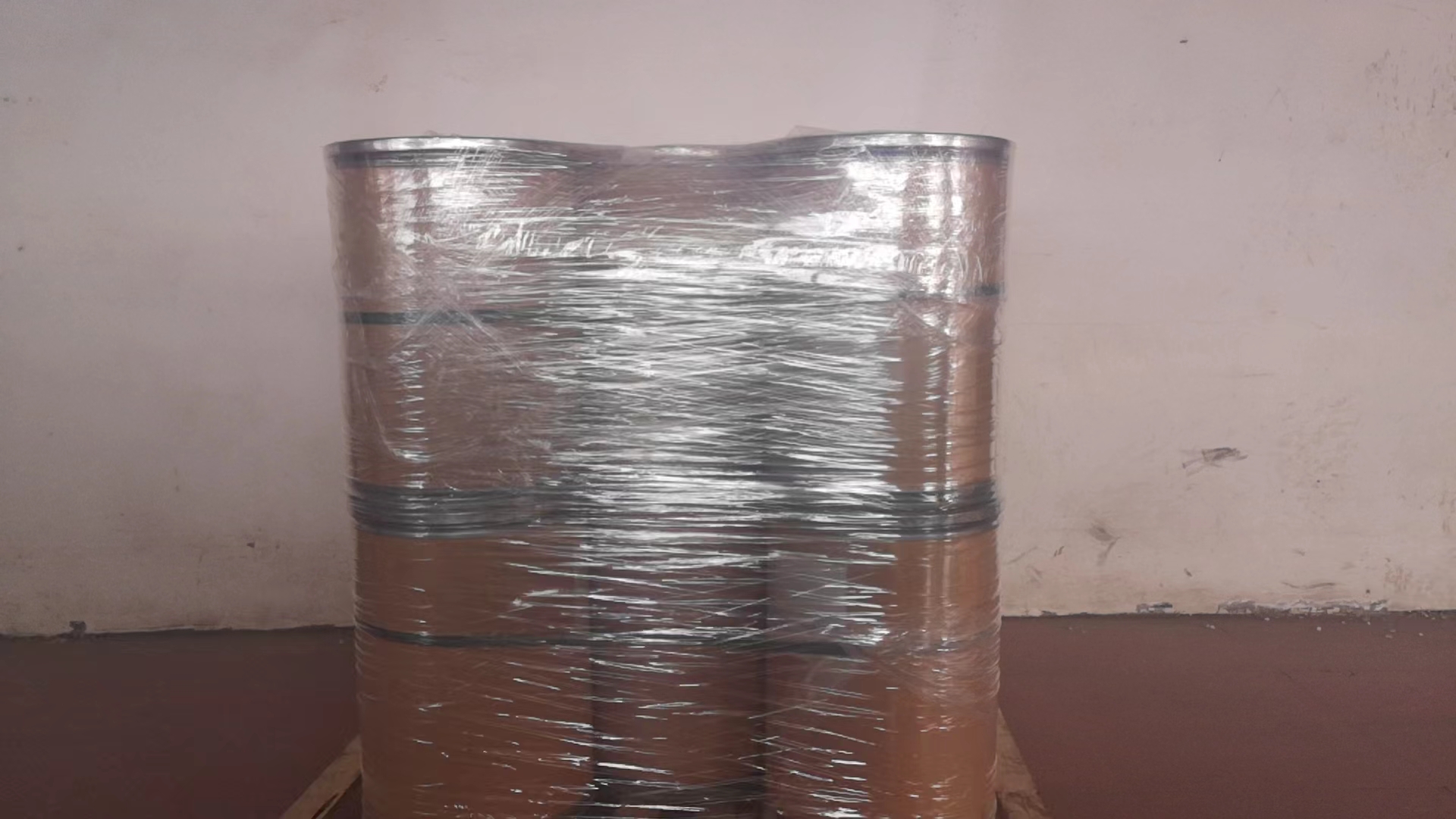
Package: 1kg/bag, 25kg/drum
AI Product Description
*The following content is generated by AI and is for reference only.
Ethacridine lactate, identified by the CAS number 1837-57-6, is a synthetic acridine derivative widely recognized for its potent antimicrobial and antiseptic properties. Its molecular formula is C20H24N4O4·C3H6O3, reflecting its composition as the lactate salt of ethacridine. This compound belongs to the class of quaternary ammonium compounds and acts primarily by disrupting microbial cell membranes and inhibiting essential enzymatic processes within bacteria, fungi, and protozoa. Due to these characteristics, it has been historically utilized in various medical and pharmaceutical applications, particularly as a topical antiseptic for wound care, skin infections, and mucosal disinfection.
In clinical settings, Ethacridine lactate is frequently formulated into solutions, ointments, or sprays designed for treating superficial infections, including infected wounds, burns, and dermatological conditions such as eczema or impetigo. It demonstrates efficacy against a broad spectrum of pathogens, including Staphylococcus aureus, Streptococcus species, and certain fungal strains, making it a versatile option for preventing secondary infections in compromised skin barriers. Beyond human medicine, this substance has also found utility in veterinary practices for similar disinfection purposes on animal tissues. Furthermore, its ability to penetrate biofilms allows it to be effective even in cases where standard antibiotics might struggle due to resistance mechanisms.
Despite the advent of newer antimicrobial agents, Ethacridine lactate remains relevant in specific therapeutic contexts due to its low systemic absorption when applied topically, minimizing the risk of severe adverse effects. However, users must exercise caution regarding potential allergic reactions or local irritation, particularly with prolonged use. Regulatory bodies in various countries classify it as a non-prescription medication for minor cuts and abrasions. As research continues into novel antiseptic strategies, the enduring profile of Ethacridine lactate underscores its value in public health infrastructure, offering a cost-effective and reliable solution for infection control in both developed and resource-limited environments. Its continued presence in pharmacopeias highlights its established safety and efficacy record over decades of global usage.





 (All Rights Reserved)