*The following content is generated by AI and is for reference only.
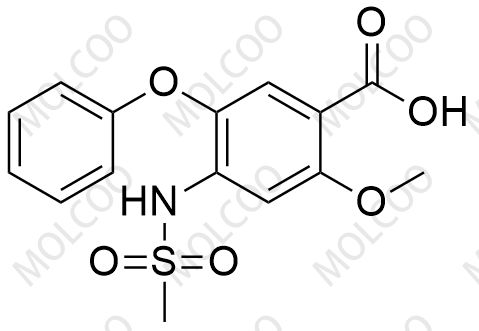
Etacrynic Acid, chemically known as 2-ethyl-4-(p-toluenesulfonyl)-5-sulfamoylbenzoic acid, is a potent organic compound primarily utilized in the pharmaceutical industry as an intermediate for synthesizing specific diuretic agents. Its molecular formula is C16H17NO6S2, and it is uniquely identified by the CAS number 138-92-7. This white to off-white crystalline powder possesses distinct chemical properties that make it highly valuable in medicinal chemistry, particularly in the development of loop diuretics used to manage fluid retention associated with heart failure, liver cirrhosis, and renal disorders.
The primary application of Etacrynic Acid lies in its role as a key precursor in the synthesis of Ethacrynic acid itself, a non-sulfonamide loop diuretic. Unlike thiazide or sulfonamide-based diuretics, ethacrynic acid acts directly on the ascending limb of the loop of Henle in the kidney, inhibiting sodium and chloride reabsorption. This mechanism promotes the excretion of water and electrolytes, effectively reducing edema. The structural integrity provided by the sulfonyl group in Etacrynic Acid is crucial for this biological activity, allowing the final drug molecule to interact efficiently with the Na-K-2Cl cotransporter.
Beyond its direct pharmaceutical utility, Etacrynic Acid serves as a critical building block in research and development laboratories where novel therapeutic compounds are being engineered. Chemists utilize its reactive functional groups to modify molecular structures, aiming to enhance efficacy or reduce side effects in existing diuretic classes. Its stability under standard storage conditions ensures reliable performance during large-scale manufacturing processes. However, handling requires adherence to strict safety protocols due to potential irritant properties. As global demand for effective cardiovascular and renal treatments grows, the production and quality control of Etacrynic Acid remain vital components of the supply chain for life-saving medications. Researchers continue to explore its derivatives to address resistance issues found in patients unresponsive to other diuretic therapies, highlighting its enduring importance in modern pharmacology.