Product Description
Reference Standards &Impurity
AI Product Description
*The following content is generated by AI and is for reference only.
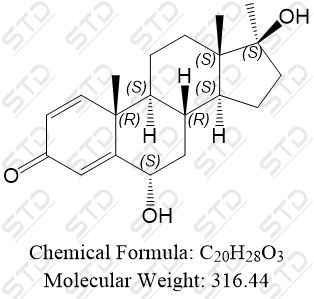
Estratetraenol, scientifically known as 5-androst-3,9,11-trien-17beta-ol, is a naturally occurring neurosteroid and putative pheromone found in human sweat. Its molecular formula is C19H26O2, and it is identified by the CAS number 480-14-8. This compound belongs to the broader class of androgens but possesses unique structural characteristics due to its conjugated triene system, which distinguishes it from standard testosterone or estradiol derivatives.
In terms of biological function, Estratetraenol has been extensively studied for its potential role as a human sex pheromone. Research suggests that this molecule may influence social and sexual behaviors, particularly affecting mood, attraction, and interpersonal dynamics between individuals. Some studies indicate that women exposed to synthetic Estratetraenol report improved mood and reduced stress levels, while others suggest it may enhance male attractiveness perception in female subjects. However, the scientific community remains divided regarding the definitive proof of its efficacy as a functional pheromone in humans compared to other animals where such chemical signaling is well-established.
Commercially, pure Estratetraenol is primarily utilized in scientific research settings rather than consumer products. It serves as a critical reference standard in analytical chemistry, endocrinology, and forensic toxicology for validating detection methods and understanding steroid metabolism. Researchers use it to investigate the mechanisms of neurosteroid action on the central nervous system and their impact on cognitive functions and emotional regulation. While some commercial entities market "pheromone" blends containing trace amounts of similar compounds, high-purity Estratetraenol is generally restricted to laboratory environments due to regulatory classifications and the need for controlled handling.
The synthesis of this molecule involves complex organic chemistry procedures, often requiring specialized expertise to ensure stereochemical purity. As interest in chemical communication continues to grow, future investigations into Estratetraenol may further elucidate its precise physiological effects and potential therapeutic applications in treating mood disorders or enhancing social cognition. Until then, it remains a fascinating subject at the intersection of biochemistry, psychology, and behavioral science.






 (All Rights Reserved)