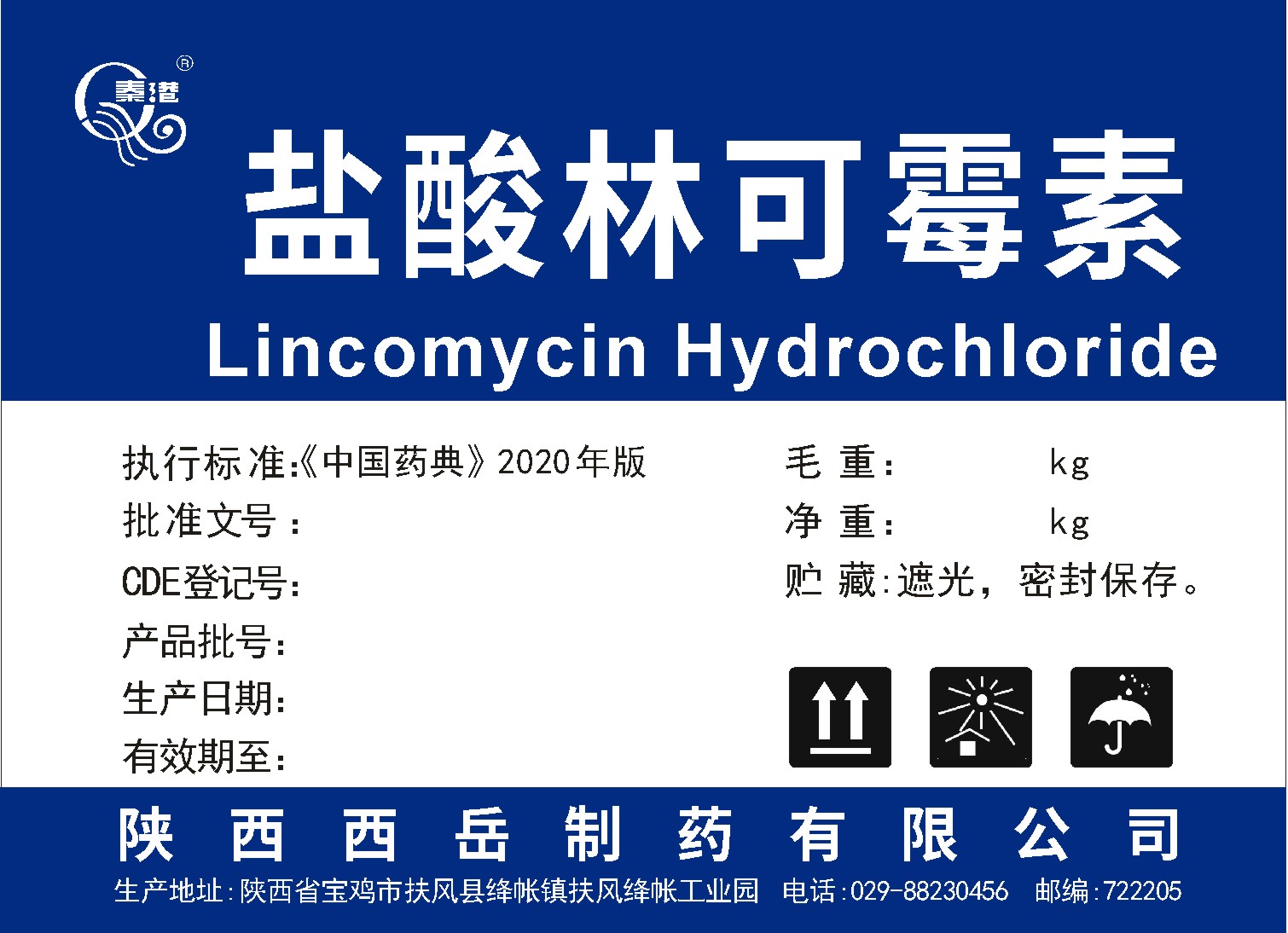
This product is used as a substitute for penicillin-allergic patients in the treatment of the following infections: acute tonsillitis, acute pharyngitis, sinusitis caused by hemolytic streptococcus, Streptococcus pneumoniae, etc.; scarlet fever and cellulitis caused by hemolytic streptococcus; diphtheria and diphtheria carriers; gas gangrene, anthrax, and tetanus; actinomycosis; syphilis; listeriosis; etc.
*The following content is generated by AI and is for reference only.
Erythromycin Stearate is a widely utilized semi-synthetic derivative of the natural macrolide antibiotic Erythromycin. Chemically identified by the CAS number 1264-63-9, this compound features a molecular formula of C45H79NO16. It is formed through the esterification of erythromycin with stearic acid, a modification designed primarily to enhance its stability and alter its dissolution profile compared to the base erythromycin salt. This specific formulation is particularly valued in pharmaceutical manufacturing for its improved resistance to gastric acid degradation, allowing for more effective oral administration.
The primary therapeutic application of Erythromycin Stearate lies in its ability to treat a broad spectrum of bacterial infections caused by Gram-positive organisms. It functions as a protein synthesis inhibitor by binding reversibly to the 50S subunit of the bacterial ribosome, thereby preventing peptide chain elongation. Clinically, it is frequently prescribed for respiratory tract infections, including pneumonia and bronchitis, as well as skin and soft tissue infections. Additionally, it serves as an alternative treatment for patients allergic to penicillin, addressing conditions such as whooping cough, diphtheria, and syphilis. Its efficacy extends to treating certain sexually transmitted diseases and acne vulgaris when used topically or systemically in controlled doses.
Beyond human medicine, Erythromycin Stearate finds applications in veterinary science for treating livestock and poultry against similar bacterial pathogens. The stearate form offers distinct advantages in tablet and capsule formulations due to its reduced solubility, which facilitates sustained-release mechanisms. While generally safe, usage requires monitoring for potential side effects such as gastrointestinal distress, hepatotoxicity, and QT interval prolongation. As a crucial component in global antimicrobial therapy, Erythromycin Stearate remains a vital resource in combating resistant bacterial strains where other antibiotics may fail, ensuring continued efficacy in both clinical and agricultural settings despite the evolving landscape of antibiotic resistance.




 (All Rights Reserved)
![Tert-butyl2,4- dichloro-5,6- dihydropyrido[3,4-d] pyrimidine-7(8H)- carboxylate](https://eimg.pharmasources.com/image/20241213/Pnrwrng8XFbrRfAeFyITwU0rxsLl3Hf1lhIsHhEJ.png)
![5- methyl-6.7- dihydro-4H-[1.3] thiazolo[5.4-c] pyridine-2- carboxylic acid. hydrochloride](https://eimg.pharmasources.com/image/20241213/WF34pQErUAEeWISsJ3JnUNpypJGLDETGhypQ9YIx.png)


![tort- Butyl[(1R,2S,5S)-2- amino-5-[( dimethylamino) carbonyl] cyclohexy] carbamate](https://eimg.pharmasources.com/image/20241213/rnsQ4dUBSbaNQWJeiw1v6vPlg6BiuPemLqIP0HKM.png)
![tert- Butyl[(1R,2S,5S)-2- amino-5-[( dimethylamino) carbonyl) cyclohexyl] carbamate oxalate](https://eimg.pharmasources.com/image/20241213/NIQDKubpzrXRMp4c3yKtP6PVAmQu9NnYpW4FPJF4.png)