Product Description
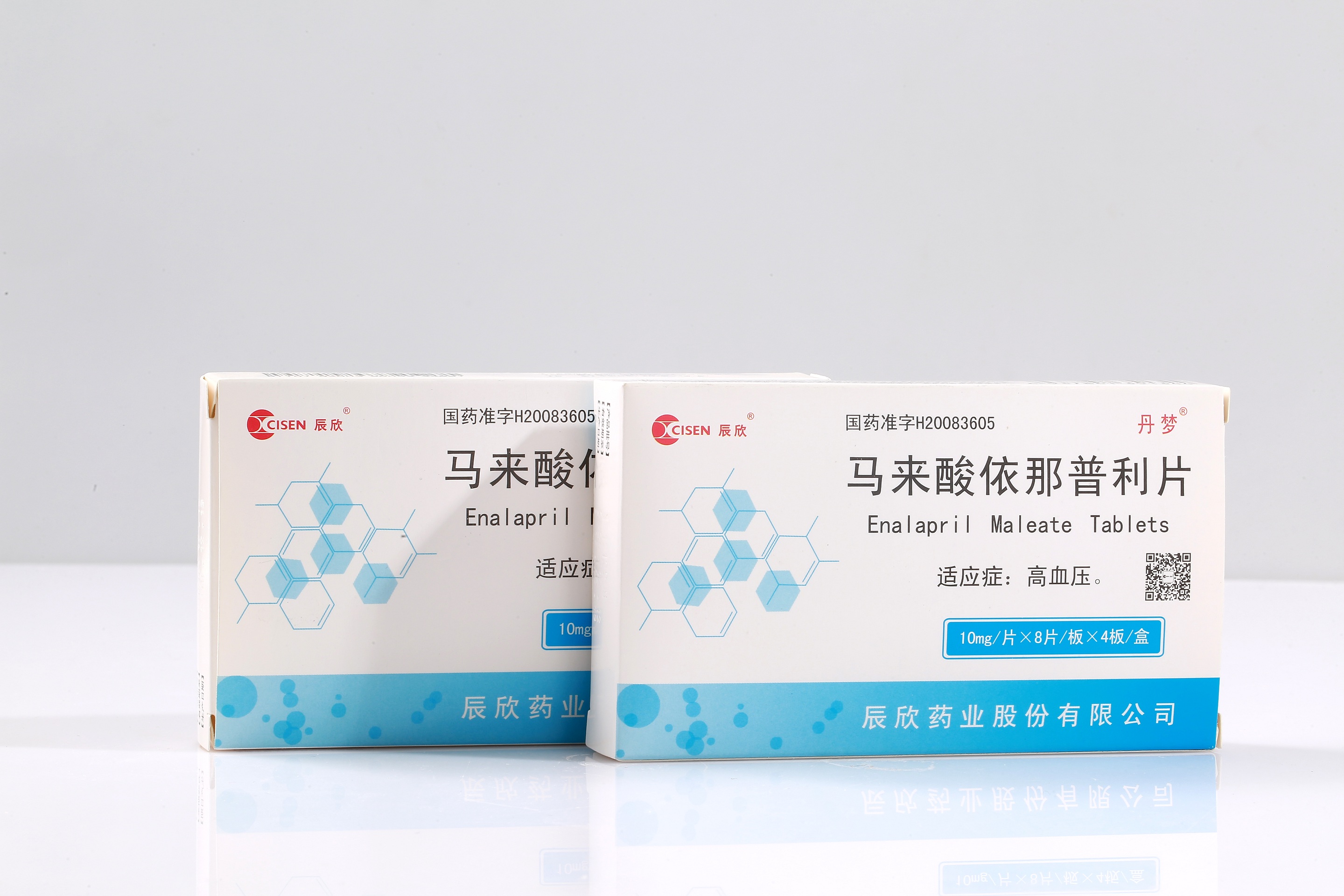
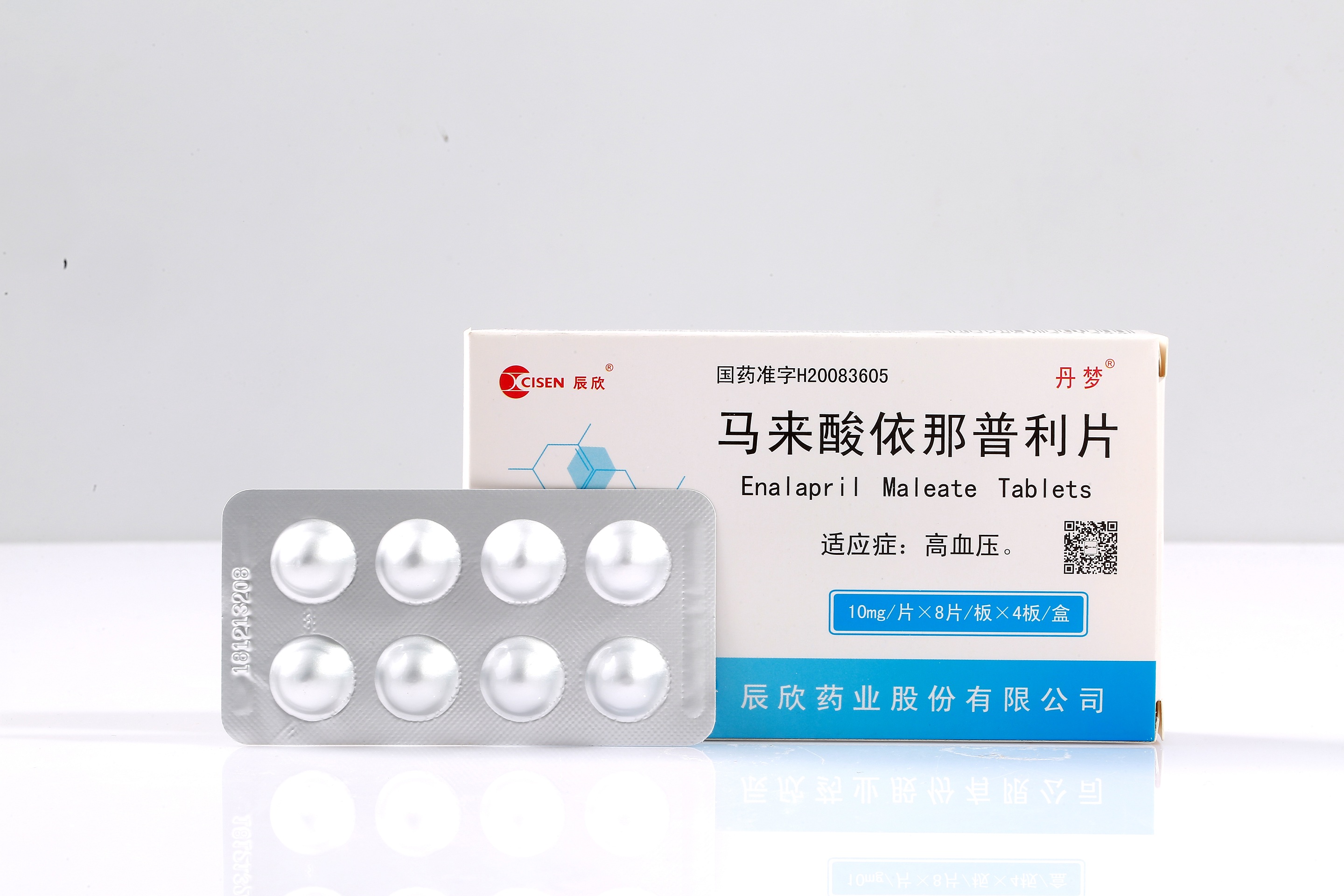
Enalapril maleate tablets are inhibitors of angiotensin-converting enzyme, which can produce vasodilation and reduce blood pressure. It can also reduce the pre - and post-cardiac load by reducing the levels of angiotensin II and aldosterone.
Specification: 5mg/10mg
AI Product Description
*The following content is generated by AI and is for reference only.
Enalapril Maleate Tablets are a widely prescribed medication belonging to the class of angiotensin-converting enzyme (ACE) inhibitors. Primarily utilized in the management of cardiovascular and renal conditions, these tablets function by blocking the conversion of angiotensin I into angiotensin II, a potent vasoconstrictor. By inhibiting this process, Enalapril promotes vasodilation, thereby reducing systemic vascular resistance and lowering blood pressure. Consequently, it serves as a first-line therapy for hypertension, helping to prevent strokes, heart attacks, and kidney failure associated with uncontrolled high blood pressure. Additionally, it is indicated for the treatment of symptomatic heart failure, improving survival rates and reducing hospitalization frequencies by decreasing the workload on the heart. It may also be used to improve survival following an acute myocardial infarction in hemodynamically stable patients.
Despite its efficacy, several critical precautions must be observed during therapy. A persistent, dry cough is a common side effect caused by the accumulation of bradykinin; if intolerable, clinicians may consider switching to an alternative agent. Patients should be vigilant about the risk of angioedema, a rare but potentially life-threatening swelling of the face, lips, tongue, or airway, requiring immediate medical intervention. Hypotension, particularly after the initial dose or in volume-depleted patients, necessitates careful monitoring. Furthermore, Enalapril can cause hyperkalemia, especially in individuals with pre-existing renal impairment or those taking potassium supplements and potassium-sparing diuretics. Renal function must be monitored regularly, as abrupt changes in glomerular filtration rate can occur. Pregnant women must avoid this medication due to the risk of fetal toxicity, including skull hypoplasia and renal failure. Patients should report any signs of infection, such as fever or sore throat, which could indicate neutropenia. Adherence to dosage instructions and regular follow-ups with healthcare providers are essential for safe and effective long-term management of these chronic conditions.









 (All Rights Reserved)