Category:
Other Packaging Materials
CAS NO:
96702-03-3
Standard:
In-house Standards,

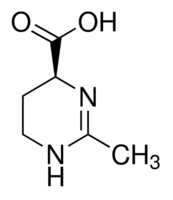

In 1985, Professor Galinski discovered in the Egyptian desert that desert halophilic bacteria would produce a natural protective component—Ectoin—in the outer layer of cells under high temperature, dryness, strong UV radiation, and high salinity environment. In this way, the self-repair function is activated; in addition to deserts, this fungus is also found in saline-alkali land, salt lakes, and sea water, which can give a variety of stories. Ectoin is derived from Halomonas Elongata, so Ectoin is also called "extract of salt-tolerant bacteria". Under extreme conditions of high salt, high temperature, and high UV radiation, Ectoine protects halophilic bacteria from harm. Studies have shown that ectoine also has a good repair and protection effect on the skin, and is one of the bioengineering agents used in high-end cosmetics.



 (All Rights Reserved) (All Rights Reserved)