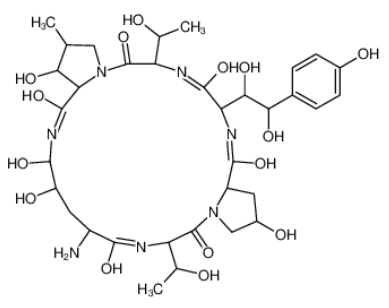
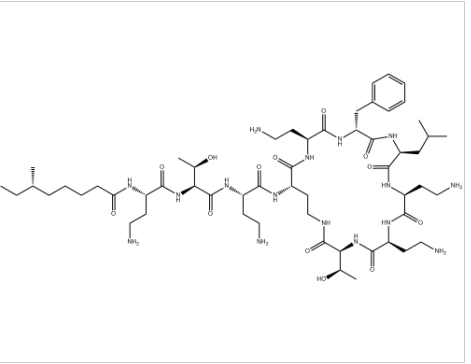
Echinocandin B is produced by the fermentation of eurotium and has certain hemolytic toxicity due to the presence of acyl side-chains. The structural modification of Echinocandin B as a lead compound can lead to some compounds with clinical applications.
*The following content is generated by AI and is for reference only.
Echinocandin B is a naturally occurring cyclic lipopeptide antibiotic belonging to the echinocandin class, primarily produced by various strains of *Aspergillus* fungi. With the chemical formula C52H74N10O13 and CAS Registry Number 82697-89-6, this compound exhibits potent antifungal activity specifically against pathogenic yeasts and filamentous fungi. Its molecular structure features a unique hexapeptide backbone linked to a fatty acid tail via an acylated hydroxy acid moiety, which is critical for its biological function. The primary mechanism of action involves the non-competitive inhibition of beta-(1,3)-D-glucan synthase, an essential enzyme responsible for synthesizing glucan, a vital structural component of the fungal cell wall. By disrupting cell wall integrity, Echinocandin B causes osmotic instability and subsequent cell lysis in susceptible organisms. This selective toxicity arises because mammalian cells lack beta-(1,3)-D-glucan, rendering the drug safe for human use with minimal off-target effects. Historically, Echinocandin B served as a crucial prototype for the development of clinically approved semisynthetic derivatives such as caspofungin, micafungin, and anidulafungin. These modern analogs have become first-line treatments for invasive candidiasis, esophageal candidiasis, and salvage therapy for refractory aspergillosis. While native Echinocandin B itself has limited clinical application due to solubility and stability issues, it remains a cornerstone in pharmaceutical research for optimizing antifungal scaffolds. Its discovery marked a paradigm shift in treating life-threatening systemic fungal infections, particularly in immunocompromised patients where traditional azoles or polyenes may fail or cause severe toxicity. Current research continues to explore its potential applications in combination therapies to combat emerging multidrug-resistant fungal strains. As global surveillance highlights the rising threat of resistant fungi, understanding the structural nuances of compounds like Echinocandin B remains vital for designing next-generation therapeutics that can effectively address unmet medical needs in infectious disease management worldwide.



 (All Rights Reserved)


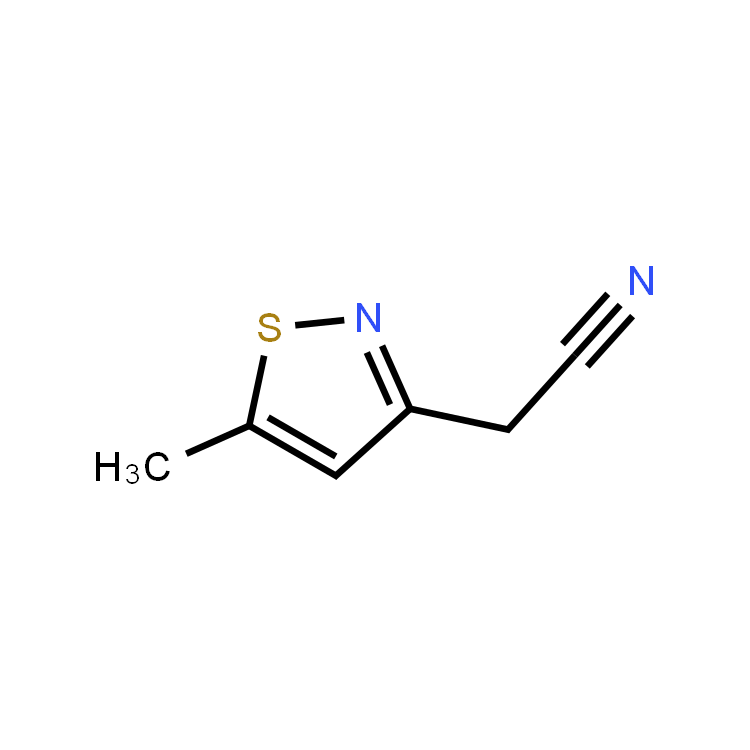
![6,8-Dioxo-5,7-diazaspiro[3.4]octane-2-carboxylic acid](https://eimg.pharmasources.com/image/product/20250403/02effeb5a7639bc84ff1f3add3c0c64fjpg)
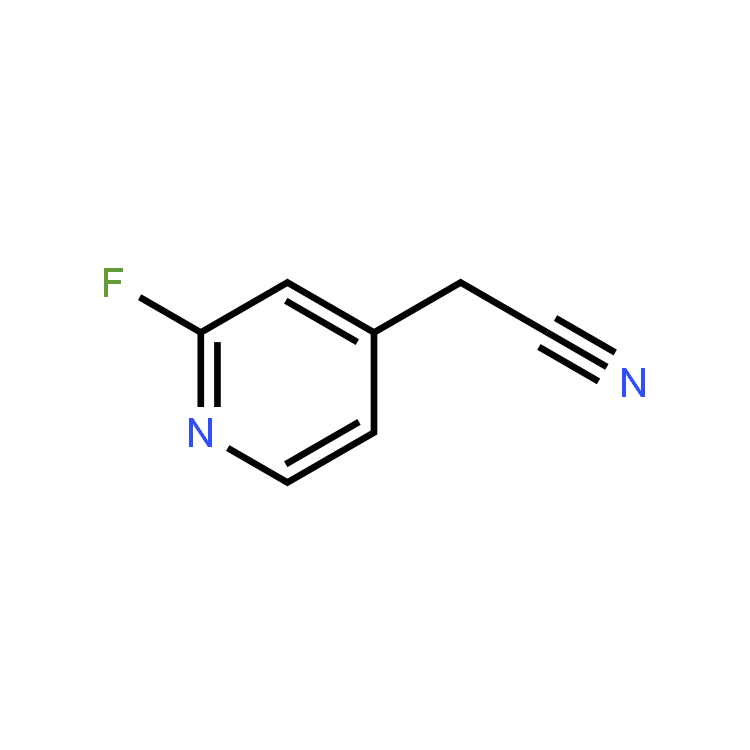
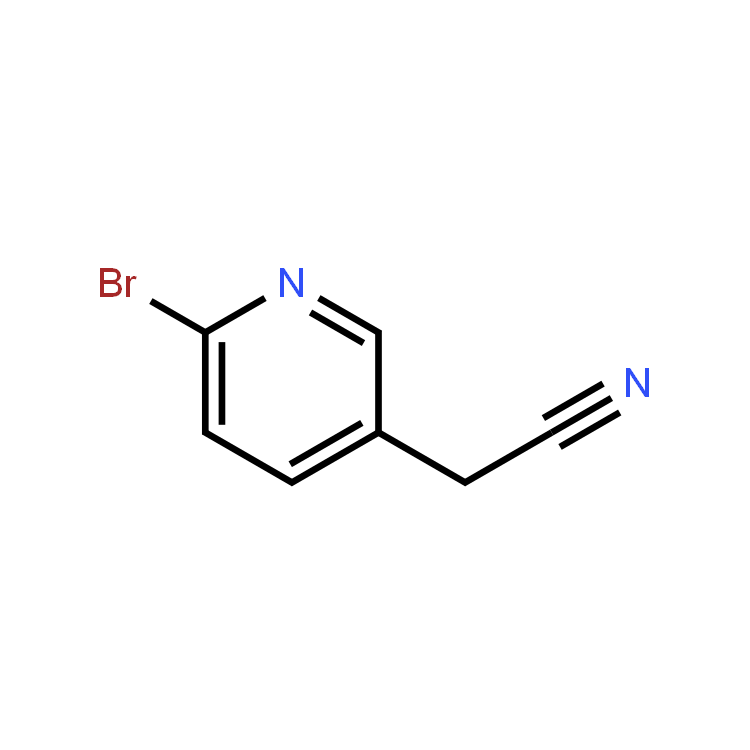
![8-Oxa-1,3-diazaspiro[4.5]decane-2,4-dione](https://eimg.pharmasources.com/image/product/20250403/60fa7223d5a34f24138486ceea0ffb15jpg)
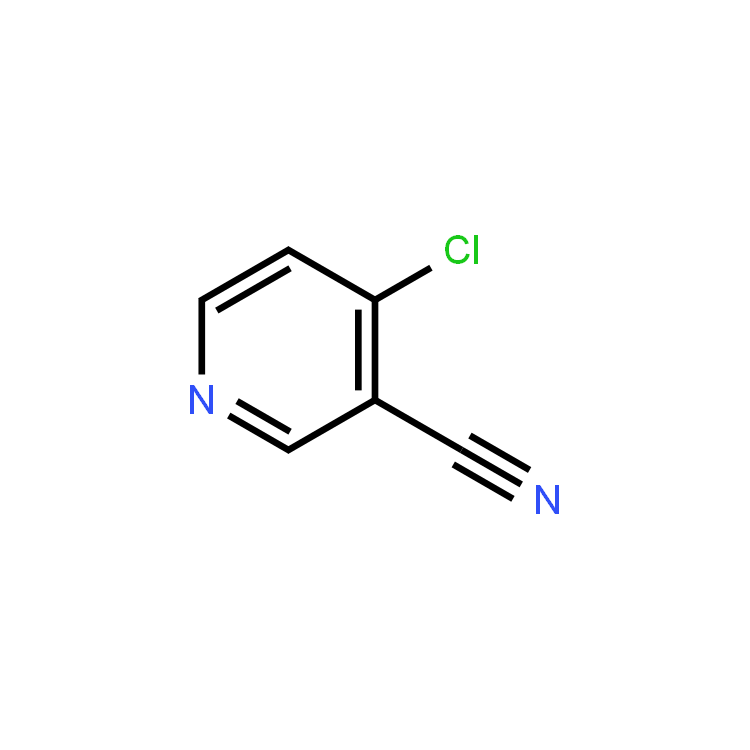
![8,16-Diazadispiro[6.1.6.2]heptadecan-17-one](https://eimg.pharmasources.com/image/product/20250403/ca91cba8b87e53fc879f8d8764873a40jpg)