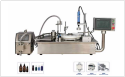
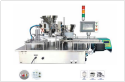
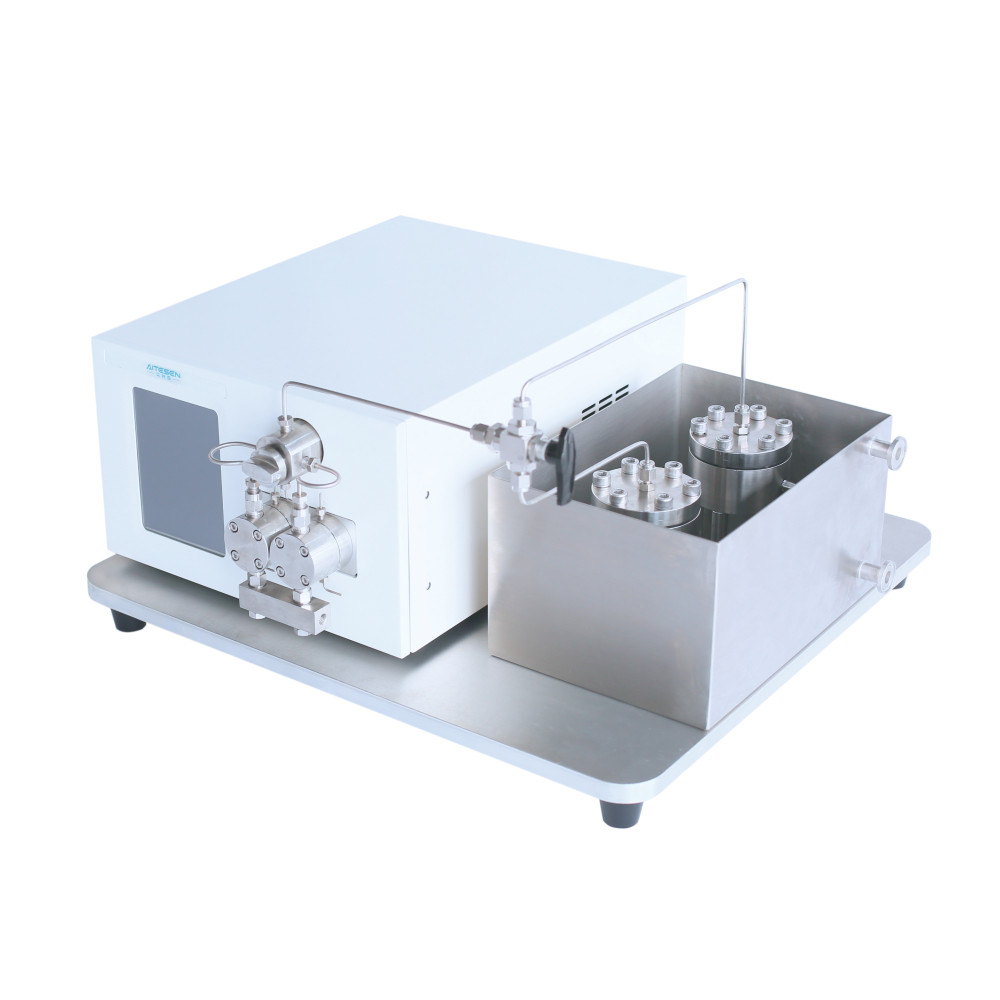
Product Description
DX3 micro-reaction complete set is divided into feed control, preheating and time-delay tubular reaction module, mixing micro-mixing module, mixing reaction micro-reaction module, continuous flow mixing reaction module, intelligent PLC control system, multi-functional discharge and other different functional areas, integrated in the high-strength aluminum alloy frame structure.
AI Product Description
*The following content is generated by AI and is for reference only.
This product refers to a continuous flow micro-reaction system, a sophisticated platform designed for performing chemical synthesis in a controlled, miniature environment. Unlike traditional batch reactors, this technology utilizes microfluidic channels where reagents are precisely mixed and reacted as they flow through the system. The primary application of such systems lies in process chemistry, pharmaceutical development, and materials science, where rapid optimization of reaction conditions is critical. By enabling high heat and mass transfer rates, these devices allow chemists to safely handle highly exothermic reactions, hazardous intermediates, or unstable compounds that might be dangerous in larger scales.
The workflow typically involves injecting reactants into the system, where they traverse heated or cooled zones within the micro-channels, facilitating precise control over residence time, temperature, and mixing efficiency. This level of control often leads to improved selectivity, higher yields, and reduced byproduct formation compared to conventional methods. Researchers frequently employ these platforms for kinetic studies, screening catalysts, and scaling up processes from milligram to gram quantities without significant changes in reaction parameters.
Key operational precautions must be observed to ensure safety and performance. First, all tubing and fittings must be compatible with the specific solvents and reagents used to prevent leaks or material degradation. Second, pressure management is crucial; clogging can cause dangerous pressure spikes, so inline pressure sensors and relief valves are essential components. Third, the system requires rigorous cleaning protocols between runs to avoid cross-contamination, which could skew experimental results. Additionally, users should ensure that pump accuracy is maintained, as flow rate fluctuations directly impact reaction outcomes. Proper training on handling pressurized fluids and understanding the specific limitations of the micro-channel geometry is mandatory before operation. Overall, this technology represents a significant advancement in green chemistry and efficient manufacturing, offering a safer and more sustainable approach to modern chemical synthesis.






 (All Rights Reserved)