Product Description
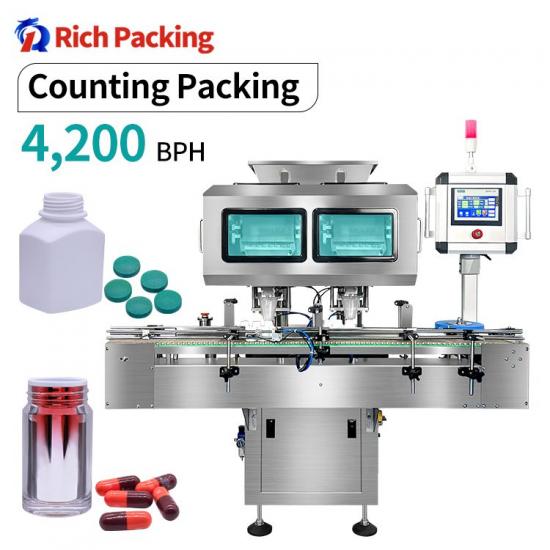
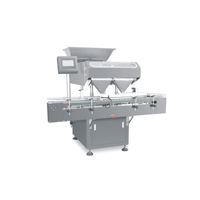
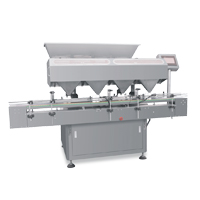
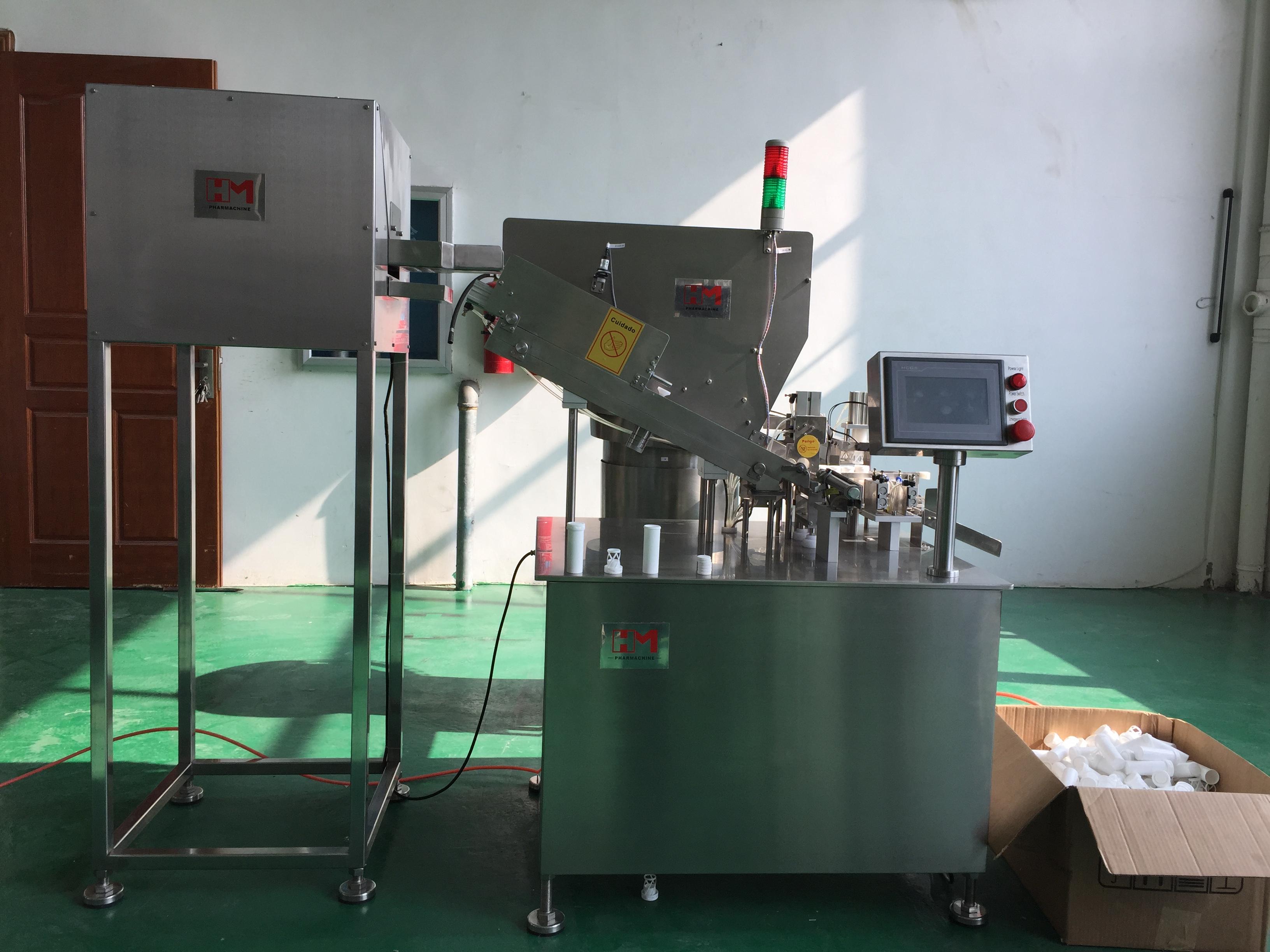
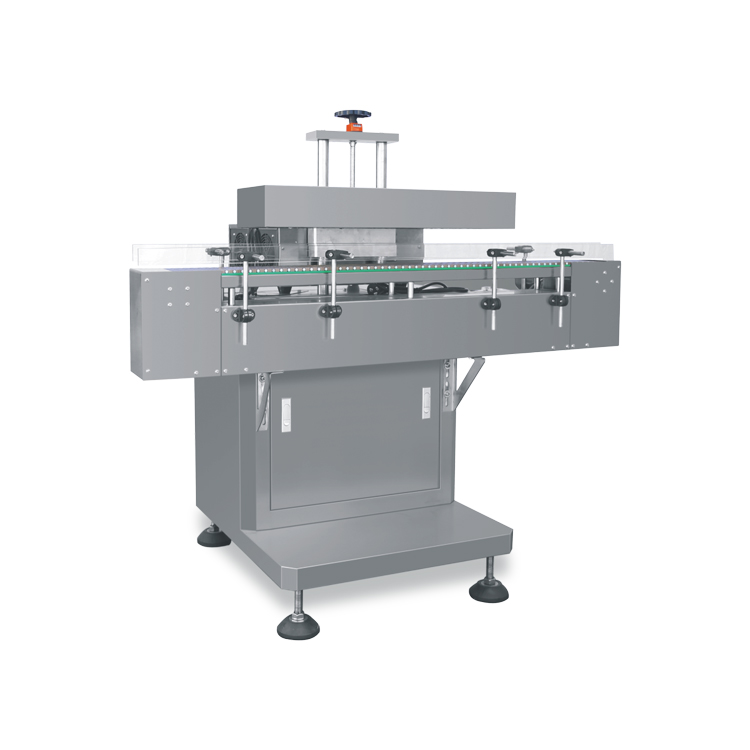
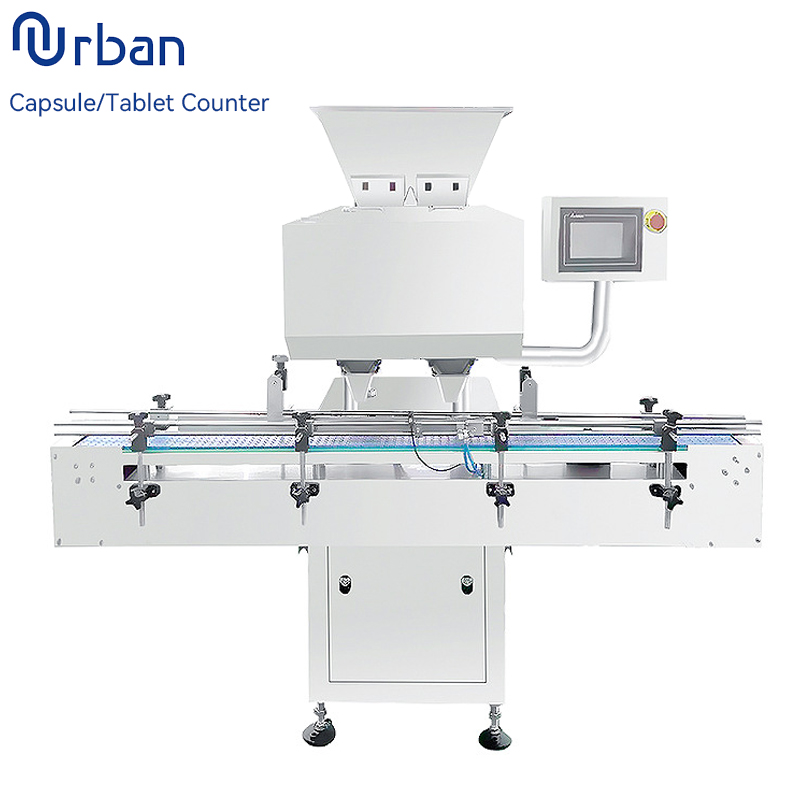
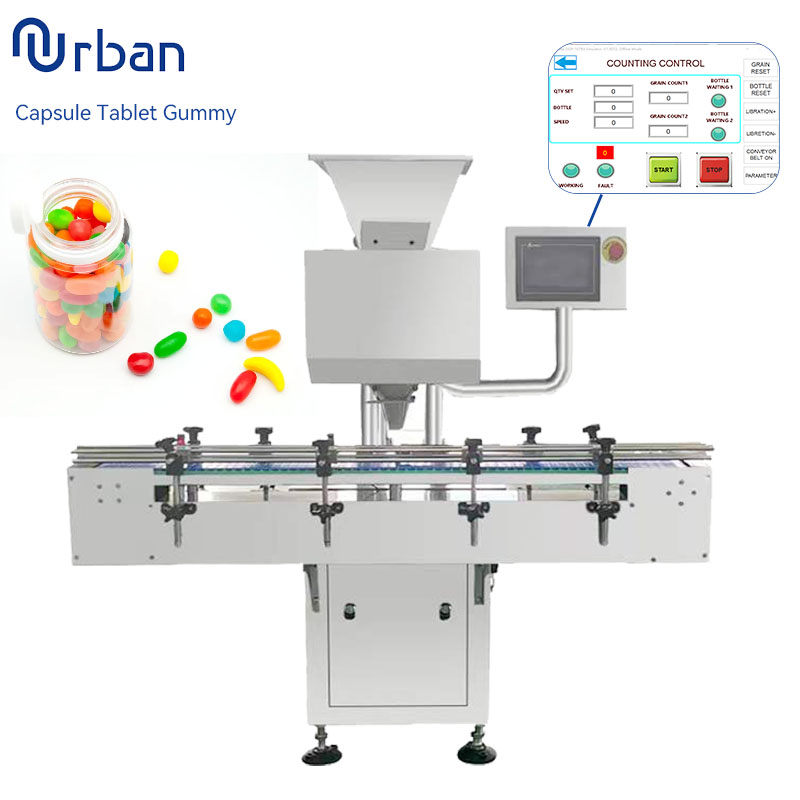
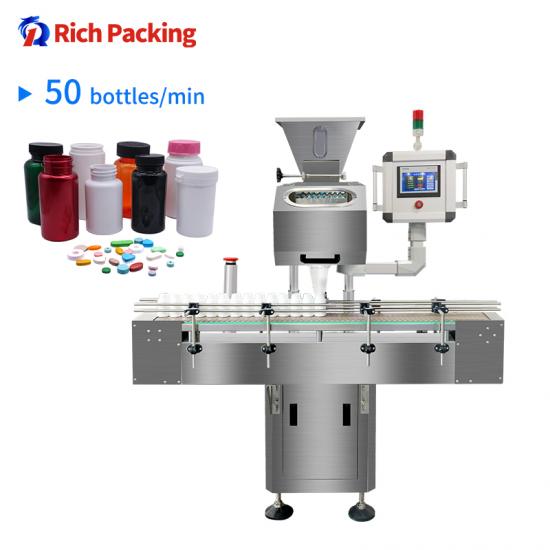
Improving production efficiency and reducing production costs are the common goals of all enterprises. For this reason, an efficient and accurate bottling equipment is essential. The DSL-8B small counting bottling machine is such an ideal equipment. Its output can reach up to 50 bottles per minute. It adopts a multi-stage vibration design and can effectively process large, irregular and highly viscous materials. Separate and count accurately.
AI Product Description
*The following content is generated by AI and is for reference only.
The tablet capsule counter machine is a sophisticated piece of pharmaceutical and industrial equipment designed to automate the counting, sorting, and packaging of solid oral dosage forms. Its primary function is to replace manual counting methods, which are prone to human error, fatigue, and inconsistency. By utilizing advanced optical sensors or mechanical vibration mechanisms, these devices accurately measure specific quantities of tablets and capsules into blister packs, bottles, or sachets with remarkable speed and precision. This automation significantly enhances production efficiency in manufacturing facilities, pharmacies, and quality control laboratories, ensuring that every unit dispensed meets strict regulatory standards for accuracy and safety.
Operational parameters typically involve adjustable settings to accommodate various sizes, shapes, and fragility levels of medication. The machines often feature user-friendly interfaces allowing operators to program count limits and monitor real-time output. Key applications include high-volume production lines where throughput is critical, as well as smaller batch operations requiring rapid changeovers between different product types. Safety features are integral to their design, including emergency stop buttons, protective guards to prevent operator injury during operation, and sensors that detect jams or missing units to halt the process immediately.
Critical precautions must be observed to maintain optimal performance and ensure product integrity. Operators should strictly adhere to cleaning protocols to prevent cross-contamination between different drug formulations, especially when handling potent or allergenic substances. Regular calibration is essential to maintain counting accuracy over time. Furthermore, the environment should be controlled regarding humidity and dust, as these factors can affect sensor sensitivity and mechanical movement. Only trained personnel should operate the machinery, and routine maintenance schedules must be followed to inspect belts, sensors, and electronic components. Neglecting these guidelines can lead to inaccurate counts, equipment failure, or compromised patient safety. Ultimately, this technology serves as a cornerstone of modern pharmaceutical logistics, bridging the gap between manufacturing speed and the uncompromising need for dosing precision.





 (All Rights Reserved)