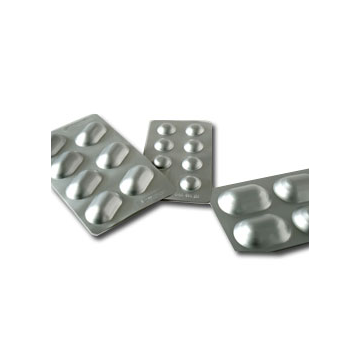
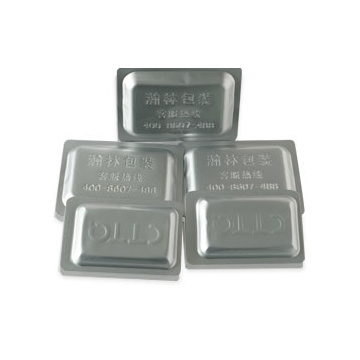
Product Description
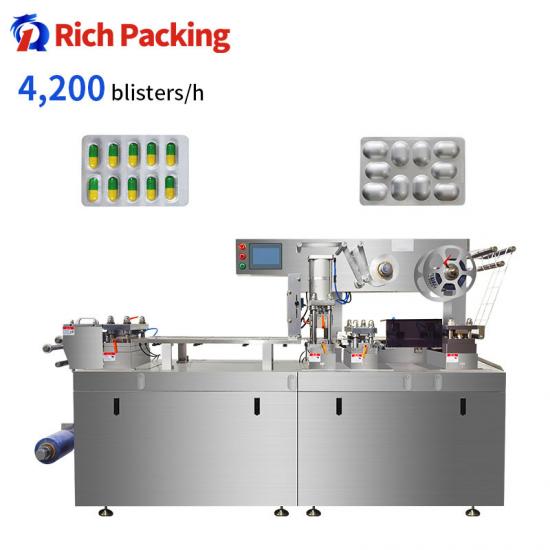
Professional DPP 160 manufacturer and Factory Area 7996 square meter, 28 R&D shilled Engineers, 360*24 Hour complete turnkey Services For DPP 160 Pro Capsule Tablet medical Blister Packing Machine. It can be with OEM,ODM, Passed cGMP, UL, CE, ISO and the Pro DPP 160Pro medicine Blister Packing Machine Manufacturer, core parts with 1 years wearing parts for free to users.
AI Product Description
*The following content is generated by AI and is for reference only.
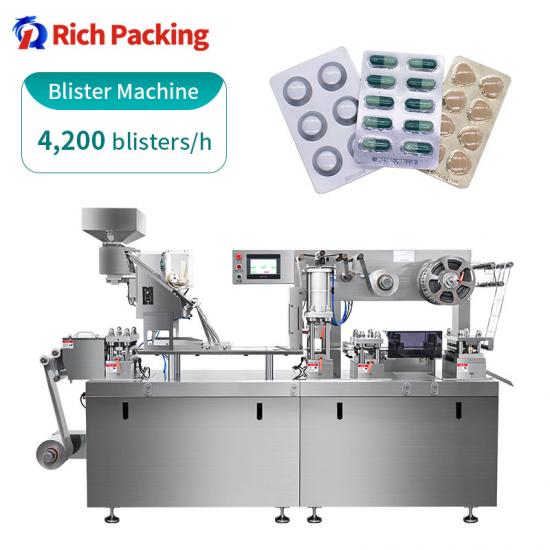
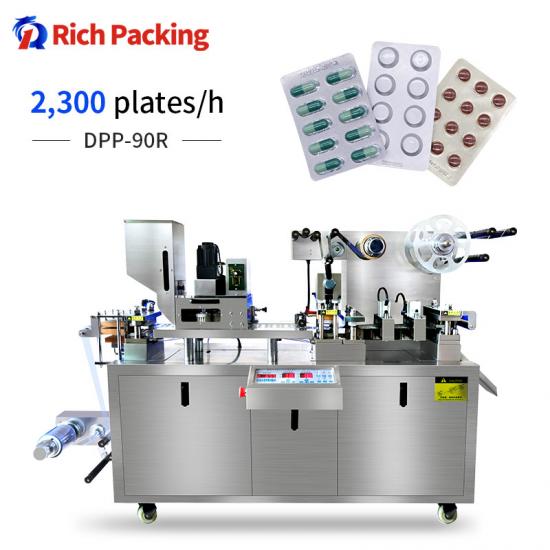
The DPP Pharma Blister Packaging Machine is a specialized industrial solution designed for the pharmaceutical industry to efficiently encase tablets, capsules, and other solid dosage forms into blister packs. This equipment integrates forming, filling, sealing, and coding processes into a single automated line, ensuring high-speed production while maintaining strict compliance with Good Manufacturing Practices (GMP). Its primary function involves feeding aluminum foil and PVC or PVDC films, thermoforming them into precise cavities, loading the medication, and hermetically sealing the pack with lidding foil. This method provides superior protection against moisture, oxygen, light, and contamination, significantly extending product shelf life and ensuring patient safety.
Key features of these machines often include advanced servo-driven systems for accuracy, touch-screen human-machine interfaces for easy operation, and real-time monitoring of critical parameters like temperature and pressure. Many models are equipped with vision inspection systems to detect missing pills or defective seals automatically. When operating a DPP Pharma Blister Packing Machine, several precautions must be observed. First, regular calibration and maintenance of heating elements and sealing jaws are essential to prevent leaks or inconsistent seal quality. Second, operators must strictly adhere to hygiene protocols, including wearing protective gear and conducting frequent sanitation checks to avoid cross-contamination. Third, material compatibility must be verified; using incorrect film grades can lead to packaging failures. Additionally, machine guards should never be bypassed during operation to ensure operator safety from moving parts. Finally, thorough training is required before running the machine to minimize downtime caused by human error. By following these guidelines, pharmaceutical manufacturers can achieve optimal output, reduce waste, and deliver high-quality, safe medication products to the market efficiently.





 (All Rights Reserved)