Product Description
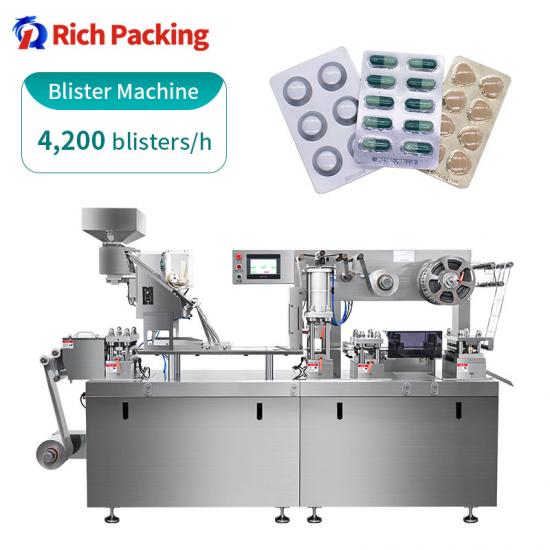
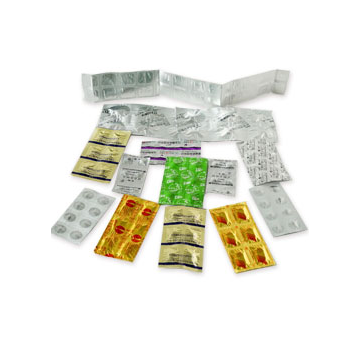
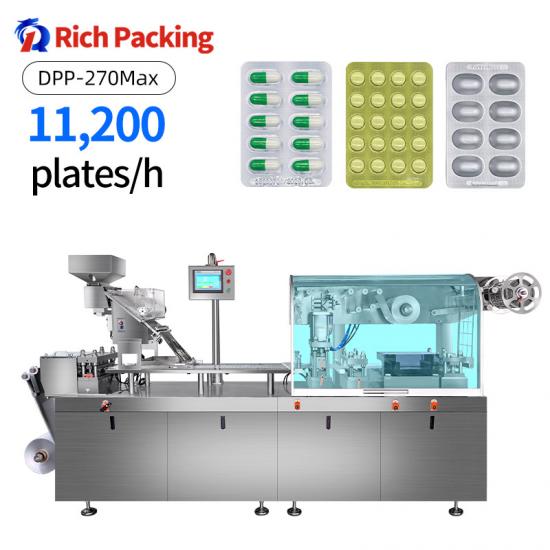
In today's world, flexible and efficient packaging solutions are crucial for many industries, especially the pharmaceutical and electronics industries. The DPP 270max blister packaging machine is tailor-made for these needs. This high-efficiency product has many unique features and excellent design, and can process 11,200 boards per hour, making it stand out in the market.
AI Product Description
*The following content is generated by AI and is for reference only.
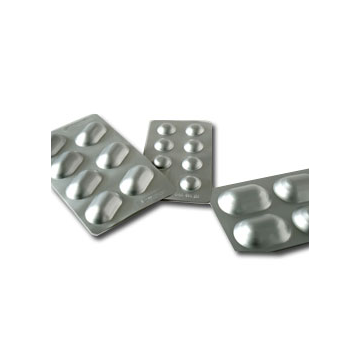
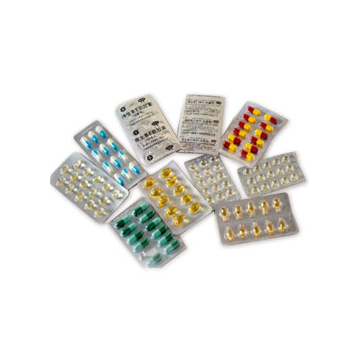
The DPP-270max Packing Blister Machine is a high-efficiency, automated packaging solution designed primarily for the pharmaceutical and healthcare industries. Its core function is to form, fill, and seal blister packs from thermoplastic materials such as PVC, PVDC, or aluminum foil. This machine utilizes a precise heating and vacuum forming system to create cavities that securely hold tablets, capsules, soft gels, and small medical devices. Following the forming stage, the unit automatically transports the blister web to a filling station where products are dispensed with accuracy before being sealed with lidding material under controlled temperature and pressure conditions.
The DPP-270max is renowned for its versatility and reliability in production lines requiring high output speeds while maintaining strict quality standards. It features an intuitive human-machine interface (HMI) that allows operators to easily adjust parameters for different product sizes and packaging formats without extensive downtime. Integrated inspection systems, including vision cameras and metal detectors, ensure that every blister pack is free from defects, missing contents, or foreign contaminants before sealing. The machine also supports data logging and traceability features, which are essential for compliance with global regulatory requirements like cGMP and FDA guidelines.
When operating the DPP-270max, several critical precautions must be observed to ensure safety and optimal performance. Operators should strictly follow lockout/tagout procedures during maintenance to prevent accidental activation of moving parts. Regular cleaning of the forming dies and sealing jaws is mandatory to avoid cross-contamination between batches, particularly when switching between different drug formulations. Additionally, users must verify that all electrical connections and pneumatic lines are secure before startup to prevent leaks or short circuits. Proper training on emergency stop functions and thermal safety is required, as the heating elements operate at elevated temperatures. Adhering to these operational guidelines ensures long-term machine longevity, consistent product quality, and a safe working environment for staff. Ultimately, this equipment serves as a vital component in modern pharmaceutical manufacturing, bridging the gap between efficient production and rigorous patient safety standards.





 (All Rights Reserved)