Product Description
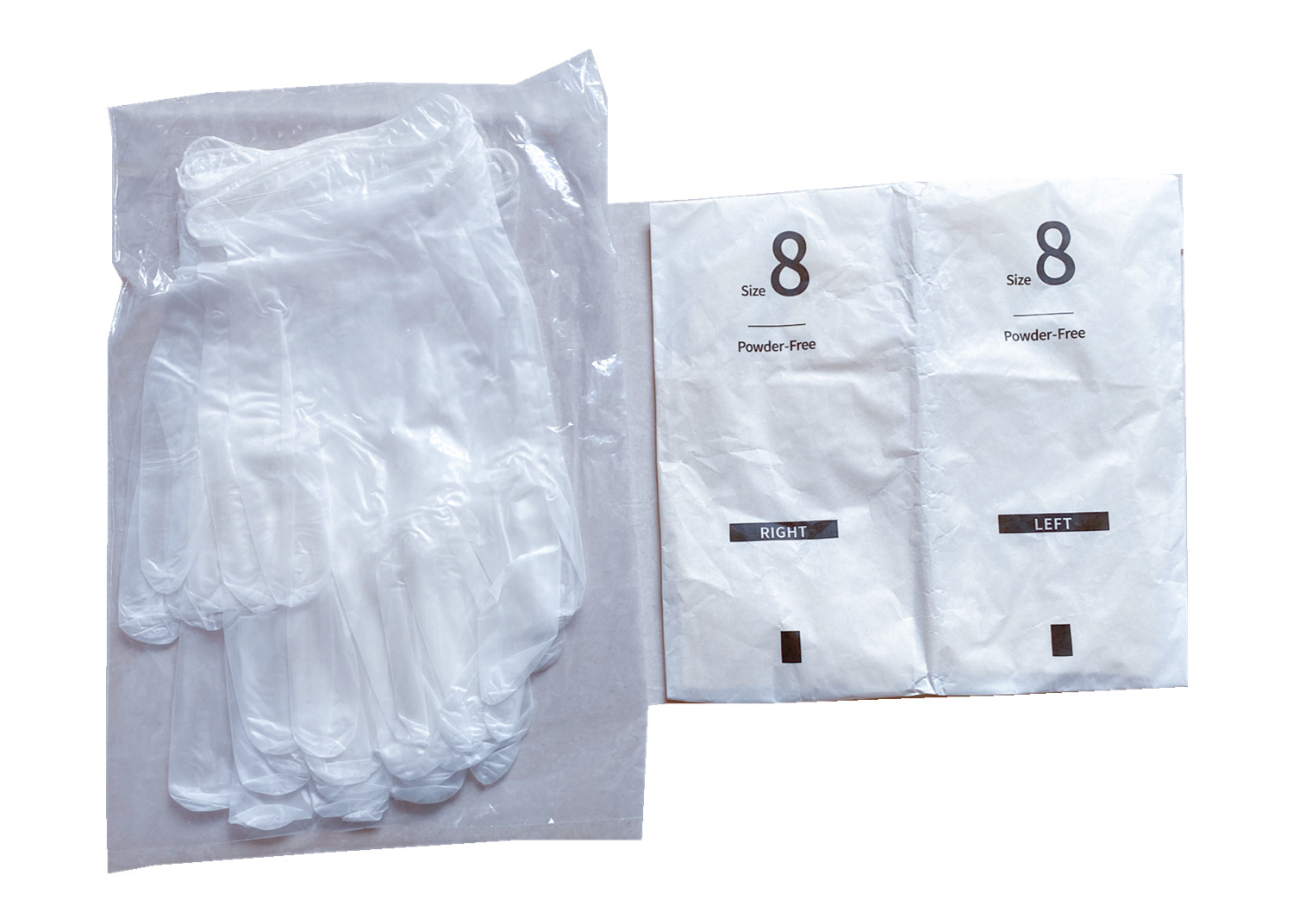
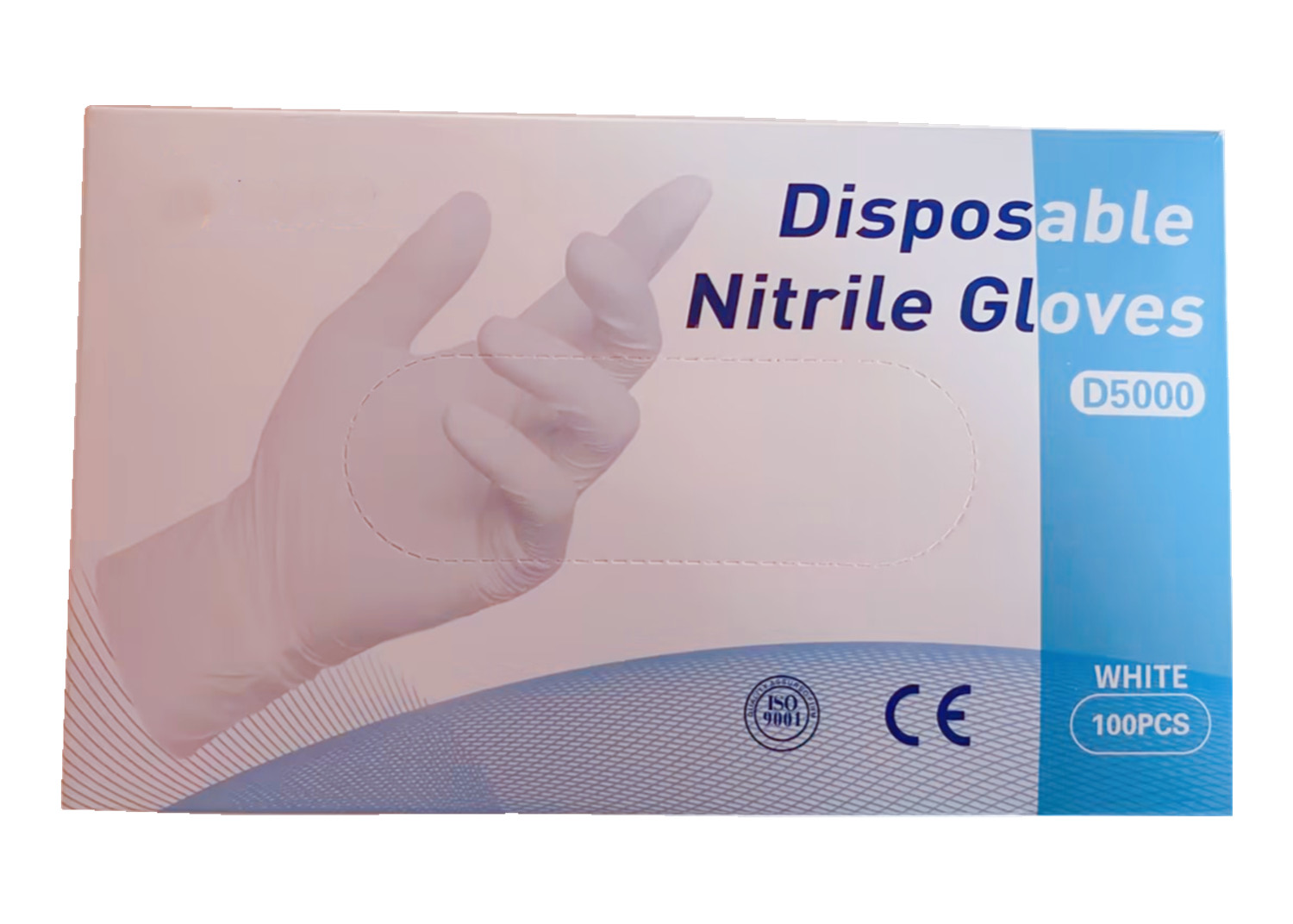
1.Product Name:Disposable Nitrile Gloves
2.Packing:100pcs/box
3.Shelf Life:36 months
4.Registration documents are available.
If you are interested in our products, please contact us in time.
AI Product Description
*The following content is generated by AI and is for reference only.
Disposable nitrile gloves have become an essential tool across diverse sectors, including healthcare, food service, automotive repair, and laboratory research. Primarily designed as a protective barrier, these single-use items safeguard both the wearer and the environment from contamination, hazardous substances, and biological fluids. Unlike latex alternatives, nitrile offers superior resistance to punctures, tears, and degradation by oils, solvents, and chemicals, making them ideal for handling harsh materials without compromising integrity.
The material composition typically involves synthetic rubber that provides excellent tactile sensitivity and dexterity, allowing users to perform delicate tasks with precision. Their powder-free formulation is standard in modern production to prevent respiratory irritation and cross-contamination, ensuring compliance with strict hygiene protocols in sterile environments. Furthermore, nitrile is naturally hypoallergenic, eliminating the risk of Type I latex allergies that affect many individuals, thereby enhancing safety for both workers and patients.
When utilizing these gloves, several critical precautions must be observed to maximize effectiveness. First, they are strictly intended for single use; reusing them significantly increases the risk of microbial transfer and material failure. Users should inspect each pair before donning to check for visible defects such as holes or thin spots. Proper sizing is vital, as ill-fitting gloves can reduce grip and increase the likelihood of accidental tearing. Additionally, while nitrile resists many chemicals, it is not impervious to all substances; users must consult chemical compatibility charts when handling specific solvents or aggressive agents.
Gloves should be removed carefully to avoid skin contact with contaminated outer surfaces, followed by immediate hand washing. Disposal must adhere to local regulations, particularly in medical settings where biohazard waste protocols apply. By integrating these best practices, professionals can ensure optimal protection, maintain high standards of sanitation, and mitigate occupational hazards effectively in any operational context.





 (All Rights Reserved)