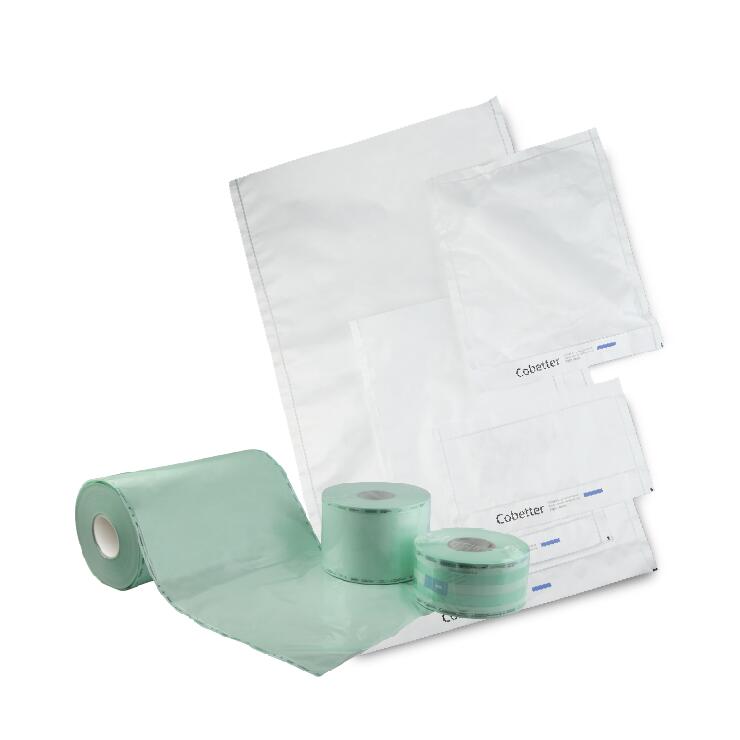
Cobetter Lifecube® Disposable 2D Bags
Standard Volume:
5 mL、50 mL、100 mL、250 mL、500 mL
1 L、2 L、5 L、10 L、20 L、35 L、50L
Cobetter Lifecube® Disposable 3D Bags
Standard Volume:
50L, 100L, 200L, 250L, 500L, 1000L, 1500L, 2000L
It is acceptable to do the customized production. For further details, please do not hesitate to contact us.
*The following content is generated by AI and is for reference only.
The product in question refers to a versatile class of medical-grade containment systems designed for the safe handling, transport, and disposal of biohazardous materials. These flexible containers are engineered to meet stringent regulatory standards for infection control, ensuring that pathogens, sharps, or contaminated waste do not pose a risk to healthcare workers, patients, or the environment. Typically constructed from high-density polyethylene or similar durable polymers, these bags feature leak-proof seals and tear-resistant properties to maintain integrity during rigorous handling procedures. They are commonly utilized in hospitals, laboratories, veterinary clinics, and emergency response units where the segregation of infectious waste is critical.
A primary function of these devices is to serve as the first line of defense in waste management protocols. By providing a secure barrier, they prevent cross-contamination and facilitate the proper categorization of medical waste streams, distinguishing between general refuse and hazardous biological material. Many models include distinct color-coding systems, such as red or yellow, to visually indicate the specific type of waste contained within, thereby streamlining sorting processes at the point of generation. Furthermore, their design often incorporates reinforced handles or gusseted bottoms to accommodate heavy loads without rupturing, while maintaining flexibility for easy placement into standard collection bins.
Safety and compliance are paramount when utilizing these containment solutions. Users must ensure that bags are never overfilled; typically, filling should cease once the container reaches two-thirds capacity to allow for safe sealing. Proper personal protective equipment (PPE) must be worn by staff during the loading process to minimize exposure risks. It is essential to adhere strictly to local and international regulations regarding the labeling, storage, and final incineration or autoclaving of filled units. Improper disposal can lead to severe environmental contamination and legal penalties. Regular training for personnel on correct usage techniques is vital to maintain a sterile and safe clinical environment. Ultimately, these disposable containment systems play an indispensable role in modern healthcare infrastructure by mitigating the spread of disease and ensuring responsible waste management practices across diverse medical settings.






 (All Rights Reserved)