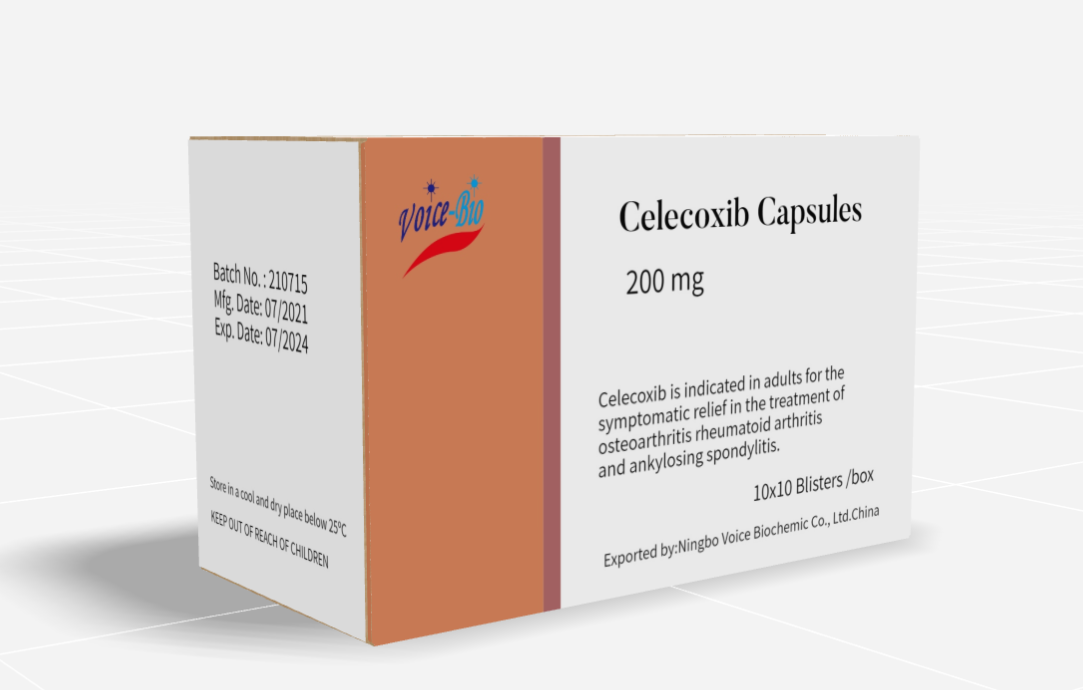
Product Description
This product by inhibiting ring oxygenase and reduce the synthesis of prostaglandins, and a certain extent, inhibit enzyme and decreases the production of leukotriene, slow excitation peptide products have antipyretic analgesic and anti-inflammatory effects. In animal experiments and clinical practice has confirmed that this product has antipyretic effect.
AI Product Description
*The following content is generated by AI and is for reference only.
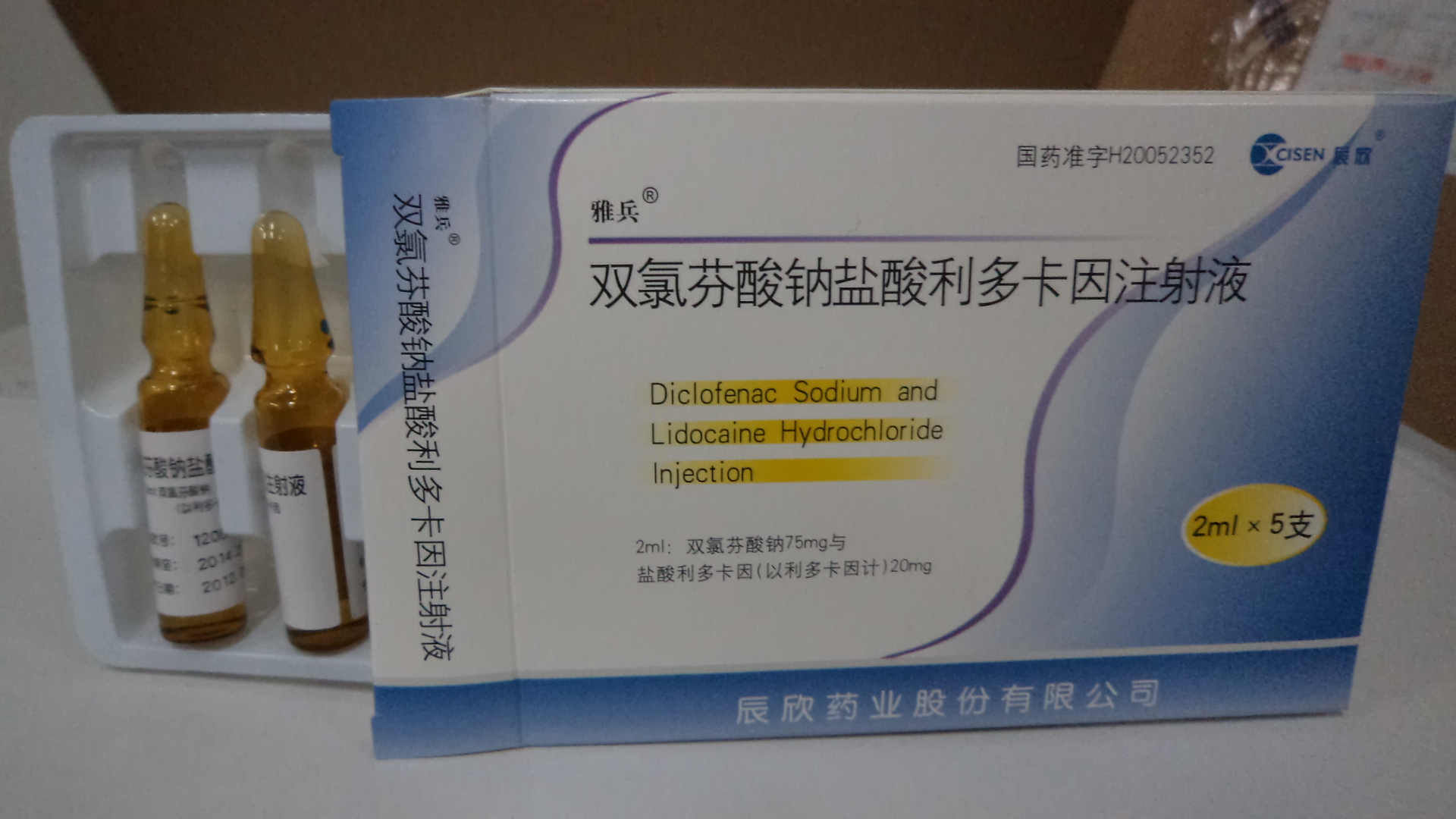
Diclofenac tablets are a widely prescribed nonsteroidal anti-inflammatory drug (NSAID) primarily used to manage pain, inflammation, and swelling associated with various musculoskeletal conditions. Common indications include osteoarthritis, rheumatoid arthritis, ankylosing spondylitis, acute gouty arthritis, and mild to moderate postoperative or dental pain. By inhibiting cyclooxygenase enzymes, diclofenac reduces the production of prostaglandins, which are chemical messengers responsible for triggering pain and inflammatory responses in the body. This mechanism makes it highly effective for relieving symptoms such as joint stiffness, muscle soreness, and swelling caused by injury or chronic disease.
Despite its efficacy, the use of diclofenac requires strict adherence to safety guidelines due to potential serious adverse effects. The most significant risks involve gastrointestinal complications, including ulcers, bleeding, and perforation, which can occur without warning signs. Patients with a history of stomach ulcers or digestive issues should exercise extreme caution. Furthermore, long-term or high-dose usage may increase the risk of cardiovascular events, such as heart attack or stroke, particularly in individuals with pre-existing heart conditions or hypertension. Renal impairment is another concern, as NSAIDs can reduce blood flow to the kidneys, potentially leading to kidney failure in susceptible patients.
Patients taking diclofenac should avoid alcohol consumption, as it exacerbates gastrointestinal irritation and liver toxicity. It is crucial to take the lowest effective dose for the shortest duration necessary to control symptoms. Individuals who are pregnant, especially during the third trimester, or breastfeeding mothers should generally avoid this medication unless explicitly advised by a healthcare provider. Those with asthma, liver disease, or severe kidney problems must consult a physician before initiation. Always inform your doctor about all concurrent medications to prevent dangerous drug interactions, particularly with blood thinners, other NSAIDs, or corticosteroids. Adherence to medical supervision ensures therapeutic benefits while minimizing health risks.






 (All Rights Reserved)