Product Description
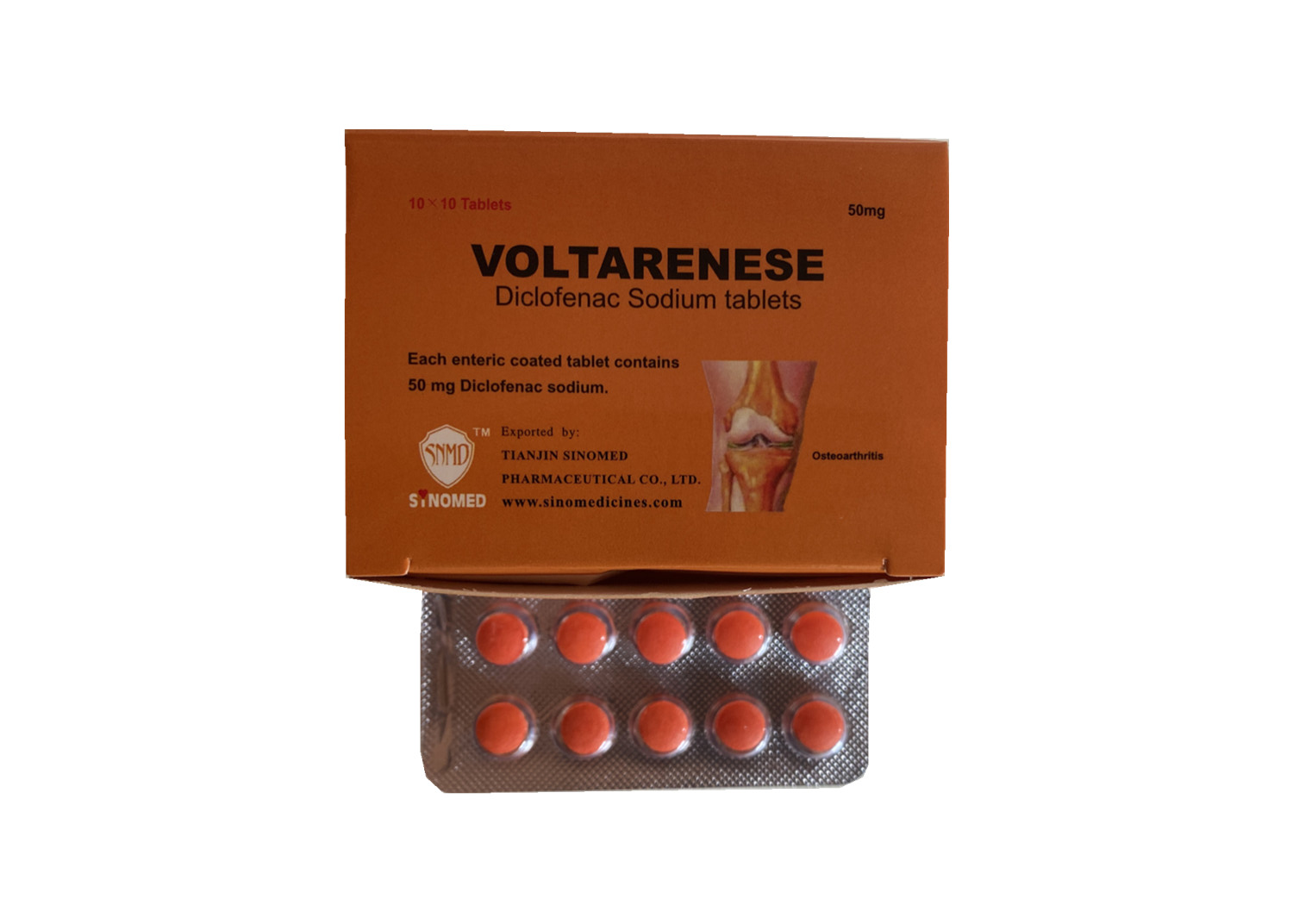
1.Product name: Diclofenac tablet
2.Specification: 50mg
3.Package: Box of 10 blisters x 10 tablets
4.Shelf life: 36 months
5.Registration documents are avaliable.
If you are interested in our products,please feel free to contact us
AI Product Description
*The following content is generated by AI and is for reference only.
Diclofenac tablets are a widely prescribed nonsteroidal anti-inflammatory drug (NSAID) used primarily to relieve pain, reduce inflammation, and lower fever. This medication works by inhibiting the production of prostaglandins, which are chemicals in the body that cause pain and swelling. It is commonly indicated for conditions such as osteoarthritis, rheumatoid arthritis, ankylosing spondylitis, acute musculoskeletal disorders, and mild to moderate postoperative pain. Additionally, it is frequently utilized to manage menstrual cramps and gout attacks. By effectively targeting the underlying inflammatory processes, Diclofenac helps patients regain mobility and improve their quality of life during flare-ups.
However, the use of Diclofenac requires strict adherence to medical guidelines due to its potential side effects. The most significant risks involve cardiovascular events, such as heart attack or stroke, which may occur even with short-term use, particularly in individuals with pre-existing heart disease. Gastrointestinal complications are also common, including ulcers, bleeding, and perforation of the stomach or intestines, which can happen without warning symptoms. Patients with a history of asthma, kidney disease, liver dysfunction, or high blood pressure should exercise extreme caution and consult a physician before starting therapy.
It is crucial not to exceed the prescribed dosage, as higher doses significantly increase the risk of severe adverse reactions. Patients should avoid consuming alcohol while taking this medication, as it exacerbates gastrointestinal irritation and liver toxicity. Furthermore, Diclofenac should generally be avoided during the third trimester of pregnancy due to the risk of premature closure of the fetal ductus arteriosus. Individuals taking other NSAIDs, anticoagulants, or corticosteroids must inform their healthcare provider to prevent dangerous drug interactions. Always take these tablets with food or milk to minimize stomach upset, and discontinue use immediately if signs of allergic reactions, chest pain, or black stools appear. Regular monitoring by a healthcare professional is essential for long-term users to ensure safety and efficacy.





 (All Rights Reserved)