Product Description
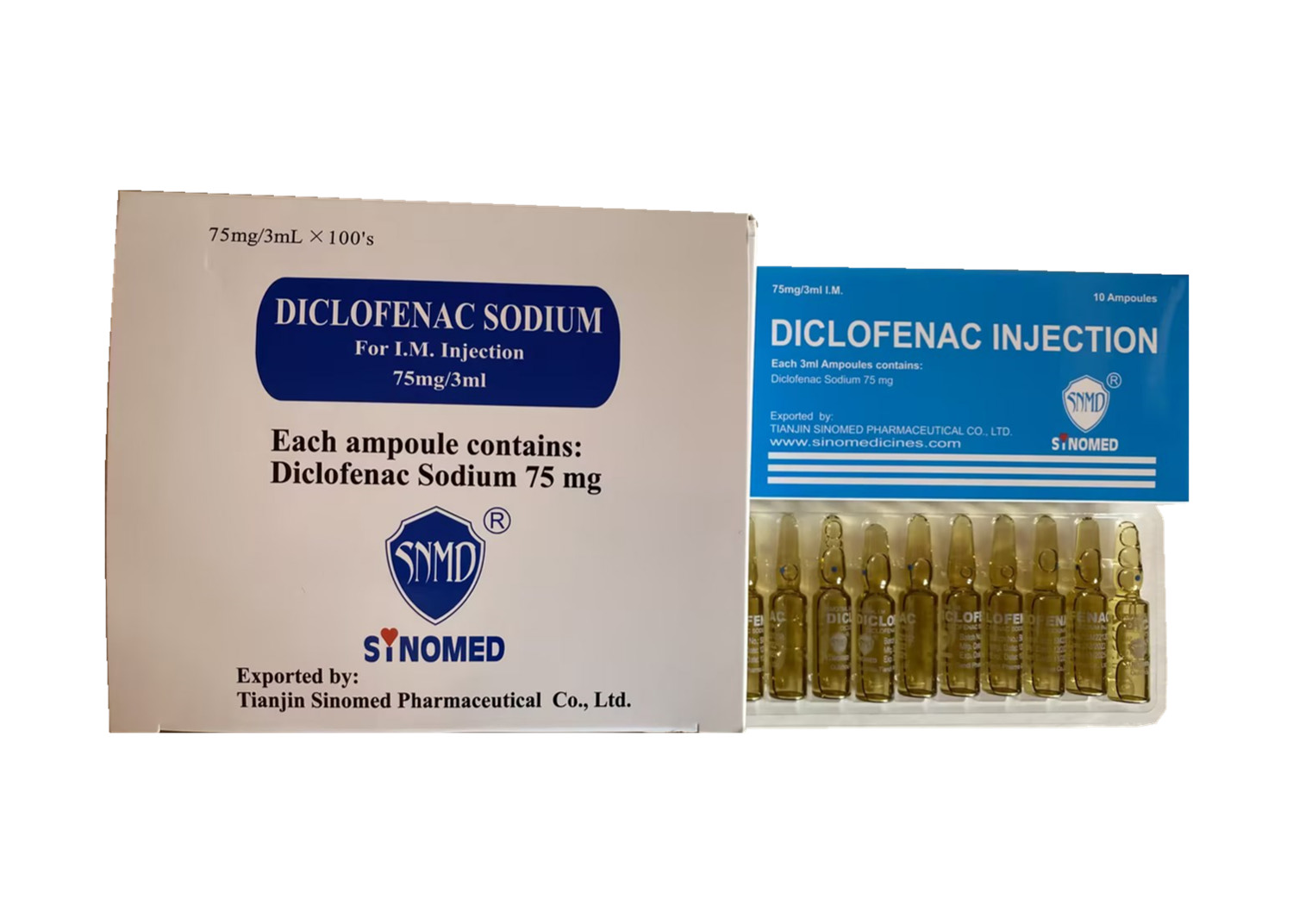
1.Product name: Diclofenac Sodium Injection
2.Specification: 75mg/3ml
3.Package: Box of 10 x 10 ampoules & 10ampoules/tray/box.
4.Shelf life: 36 months
5.Registration documents are available.
If you are interested in our products,please feel free to contact us
AI Product Description
*The following content is generated by AI and is for reference only.
Diclofenac Sodium Injection is a potent non-steroidal anti-inflammatory drug (NSAID) administered via intramuscular or intravenous routes for the rapid management of moderate to severe acute pain and inflammation. Primarily indicated for conditions such as post-operative analgesia, renal colic, biliary colic, and acute musculoskeletal disorders, this formulation offers a distinct advantage over oral preparations by bypassing the gastrointestinal tract. This feature ensures faster onset of action, typically within minutes, making it ideal for patients who cannot tolerate oral medications due to nausea, vomiting, or surgical constraints. The active ingredient, diclofenac sodium, works by inhibiting cyclooxygenase enzymes, thereby reducing the synthesis of prostaglandins that mediate pain, fever, and inflammatory responses.
Despite its efficacy, the use of Diclofenac Sodium Injection requires strict adherence to safety protocols. It is contraindicated in patients with known hypersensitivity to NSAIDs, those with active peptic ulcer disease, a history of gastrointestinal bleeding, or severe heart failure. Special caution is advised for individuals with a history of asthma, cardiovascular diseases, hypertension, or impaired renal and hepatic function, as NSAIDs can exacerbate these conditions. Long-term or high-dose usage increases the risk of serious cardiovascular thrombotic events, including myocardial infarction and stroke. Furthermore, concurrent use with anticoagulants, corticosteroids, or other NSAIDs should be avoided to prevent additive toxicity.
Administration must be performed by trained healthcare professionals under sterile conditions to minimize infection risks. Patients receiving this injection require close monitoring for signs of allergic reactions, such as bronchospasm or anaphylaxis, and potential gastrointestinal complications. The dosage and duration of therapy should be kept to the minimum necessary to control symptoms, and treatment should not exceed 48 hours without medical reassessment. While effective for acute relief, it is not intended for chronic maintenance therapy. Physicians must weigh the therapeutic benefits against potential adverse effects, particularly in elderly patients or those with comorbidities, ensuring a personalized approach to pain management that prioritizes patient safety above all else.





 (All Rights Reserved)