Product Description
| Name |
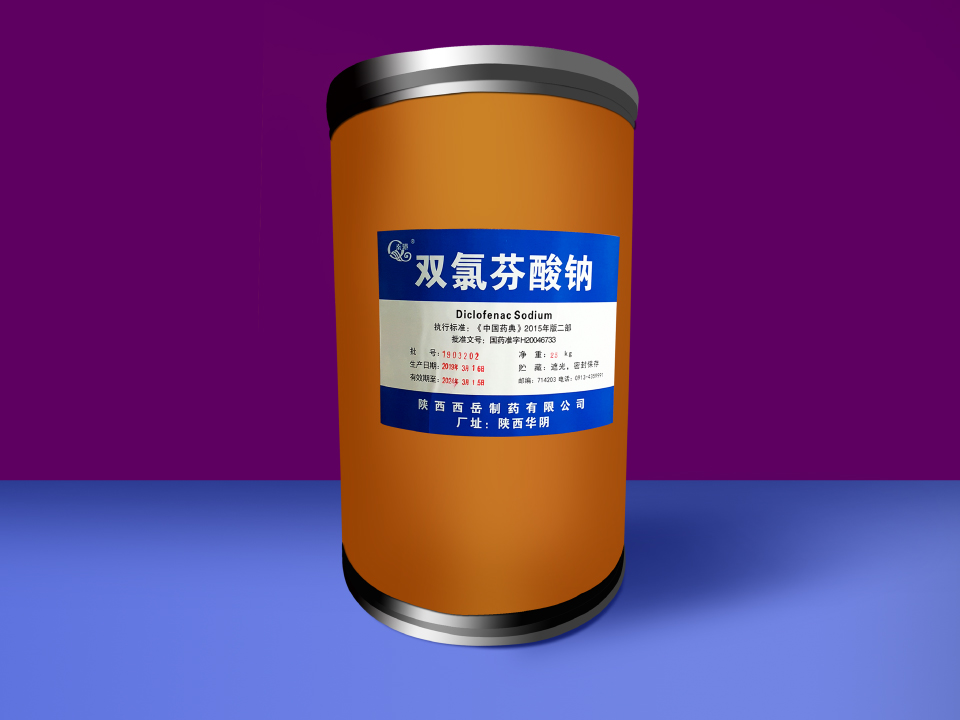
Diclofenac sodium |
| Synonyms |
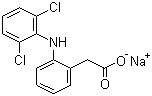
2-[(2,6-Dichlorophenyl)amino]benzeneacetic acid sodium salt |
| |
| Molecular Structure |
![CAS # 15307-79-6, Diclofenac sodium, 2-[(2,6-Dichlorophenyl)amino]benzeneacetic acid sodium salt](https://www.chemblink.com/structures/15307-79-6.gif) |
| Molecular Formula |
C14H10Cl2NNaO2 |
| Molecular Weight |
318.13 |
| CAS Registry Number |
15307-79-6 |
| EINECS |
239-346-4 |
AI Product Description
*The following content is generated by AI and is for reference only.
Diclofenac Sodium is a widely utilized non-steroidal anti-inflammatory drug (NSAID) belonging to the phenylacetic acid derivative class. Chemically, it acts as a potent inhibitor of cyclooxygenase enzymes, specifically COX-1 and COX-2, thereby blocking the synthesis of prostaglandins that mediate pain, inflammation, and fever. The molecular formula of Diclofenac Sodium is C₁₄H₁₀Cl₂NNaO₂, reflecting its composition of fourteen carbon atoms, ten hydrogen atoms, two chlorine atoms, one nitrogen atom, two oxygen atoms, and one sodium ion. Its unique Chemical Abstracts Service (CAS) registry number is 15307-79-6, which serves as its definitive identifier in global chemical databases and regulatory filings.
As a pharmaceutical agent, Diclofenac Sodium is primarily indicated for the management of acute and chronic musculoskeletal disorders, including osteoarthritis, rheumatoid arthritis, and ankylosing spondylitis. It is also highly effective in treating acute gout attacks, soft tissue injuries such as sprains and strains, and post-operative pain following minor orthopedic or dental procedures. Beyond these primary indications, the drug is frequently employed to alleviate dysmenorrhea and manage migraine headaches. The sodium salt formulation offers distinct pharmacokinetic advantages over the free acid form, characterized by rapid dissolution and faster absorption in the gastrointestinal tract, leading to a quicker onset of analgesic action. This makes it particularly suitable for conditions requiring immediate relief from moderate to severe pain.
The drug is available in various dosage forms, including oral tablets, capsules, sustained-release formulations, topical gels, and injectable solutions, allowing clinicians to tailor treatment based on patient needs and severity of symptoms. While generally well-tolerated, caution is advised regarding potential adverse effects such as gastrointestinal ulceration, cardiovascular risks, and renal impairment, especially with long-term use or in elderly patients. Despite these considerations, Diclofenac Sodium remains a cornerstone therapy in global pain management protocols due to its high efficacy profile and versatility across multiple therapeutic areas. Its widespread availability and established safety record continue to support its status as a first-line choice for inflammatory pain conditions worldwide.










 (All Rights Reserved)