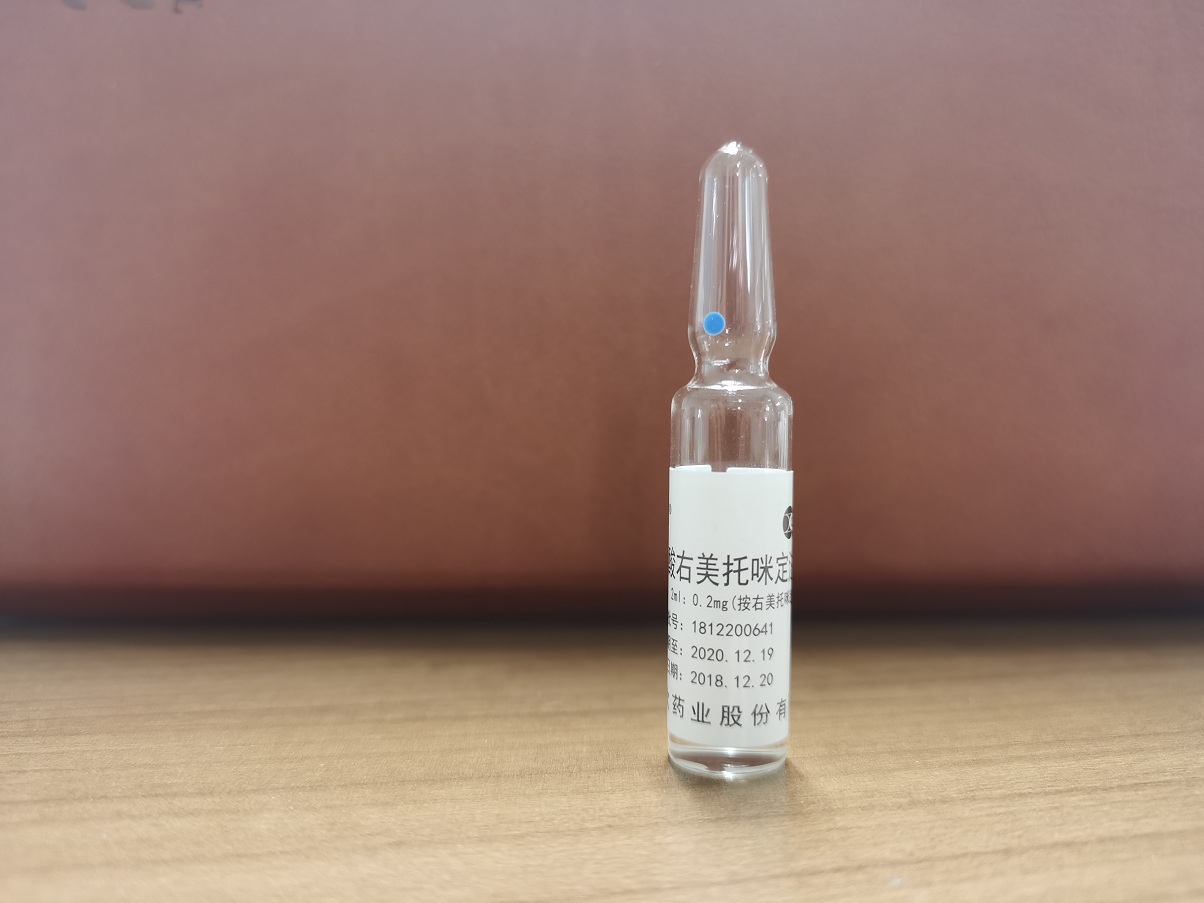
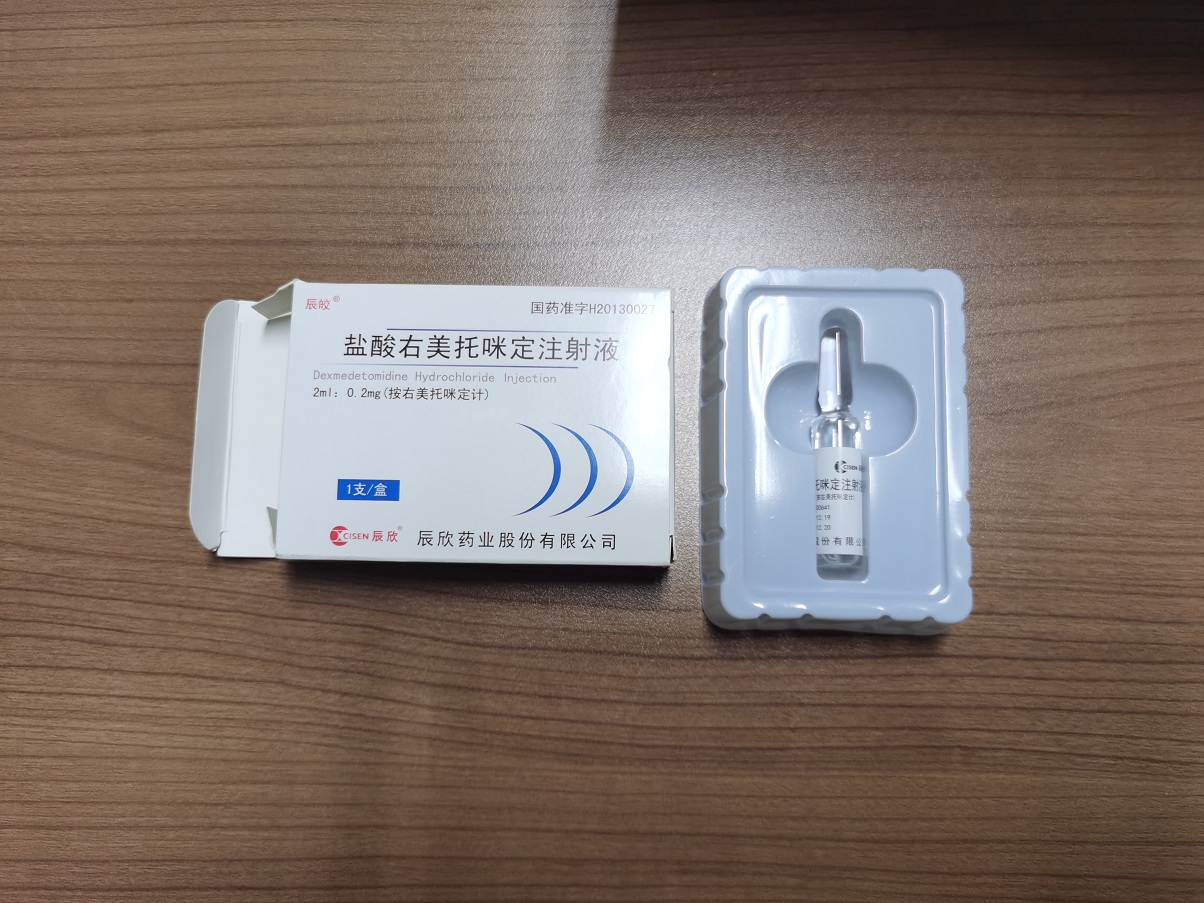
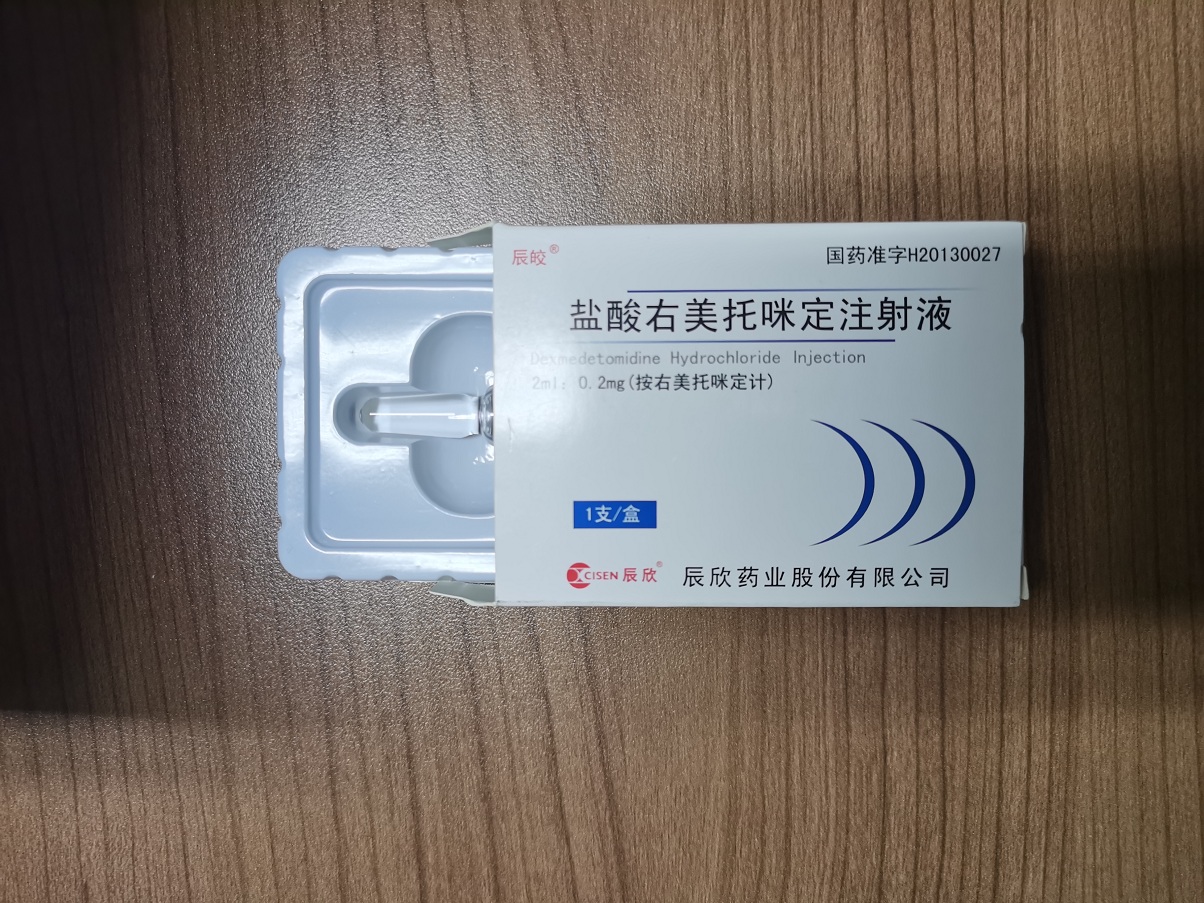
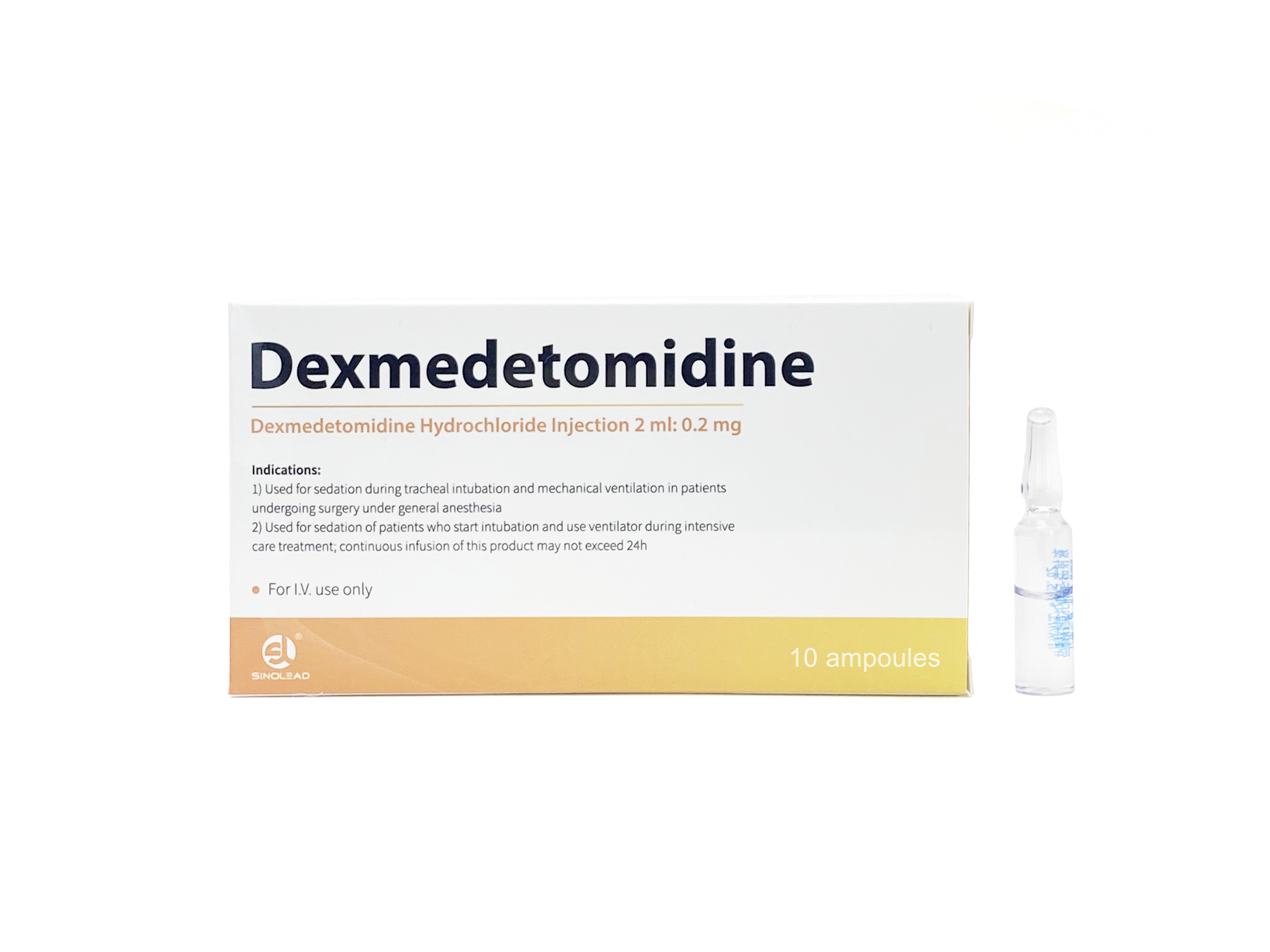
Sedation during endotracheal intubation and mechanical ventilation in patients undergoing surgery under general anaesthesia Sedation during the beginning of intubation and in patients on a ventilator during intensive care, continuous infusion of this product shall not exceed 24 hours.
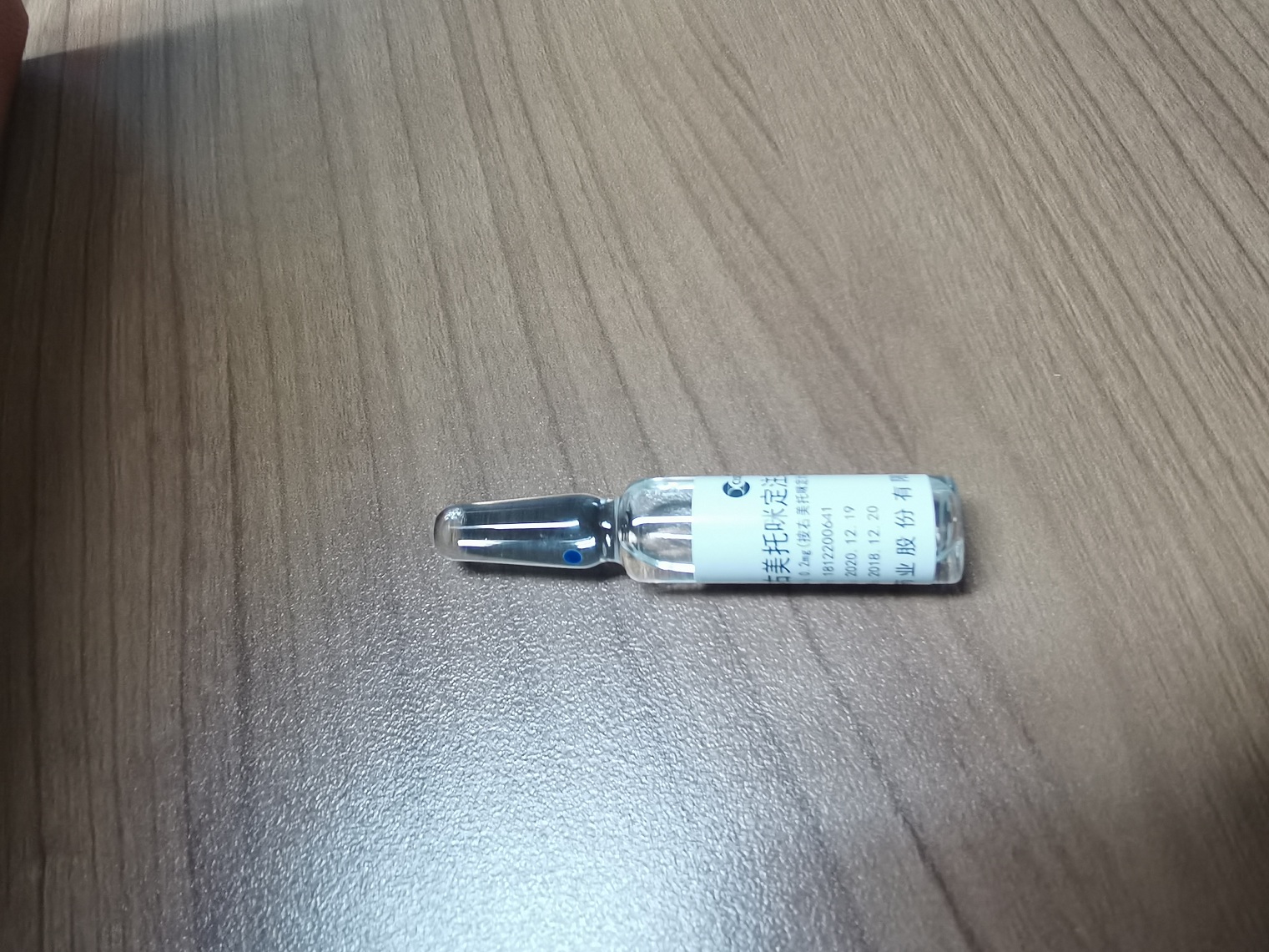
Specification: 2ml:0.2mg
*The following content is generated by AI and is for reference only.
Dexmedetomidine Hydrochloride Injection is a highly selective alpha-2 adrenergic agonist primarily utilized in critical care and perioperative settings to induce sedation, provide anxiolysis, and offer analgesic adjunctive effects. Unlike traditional sedatives such as benzodiazepines or propofol, dexmedetomidine promotes a unique state of "cooperative sedation." Patients remain easily arousable with minimal respiratory depression, making it ideal for procedures requiring patient cooperation or monitoring of neurological status. It is frequently administered intravenously for the sedation of intubated and mechanically ventilated patients in intensive care units (ICUs) during short-term periods not exceeding 24 hours, as well as for procedural sedation outside the operating room.
The drug functions by stimulating alpha-2 receptors in the locus coeruleus, reducing sympathetic outflow and decreasing plasma catecholamine levels. This mechanism results in a calm, drowsy state while preserving spontaneous ventilation. Common indications include preoperative sedation, maintenance of sedation in ICU patients, and management of agitation in delirious individuals. However, its use requires strict medical supervision due to significant hemodynamic effects. The most frequent adverse reactions involve bradycardia (slow heart rate) and hypotension (low blood pressure), particularly during the initial loading dose phase. Consequently, continuous monitoring of heart rate and blood pressure is mandatory throughout administration.
Special caution is advised for patients with severe conduction abnormalities, such as second- or third-degree heart block, unless a pacemaker is present. It should be used carefully in patients with hypovolemia or those taking other medications that lower blood pressure or slow the heart rate. Dosage adjustments are often necessary for elderly patients or those with hepatic impairment. While generally safe when managed correctly, abrupt discontinuation may lead to rebound hypertension or tachycardia; therefore, tapering the infusion is recommended after prolonged use. Dexmedetomidine represents a valuable tool in modern anesthesia and critical care, offering a favorable safety profile regarding respiratory function, provided cardiovascular parameters are closely observed.