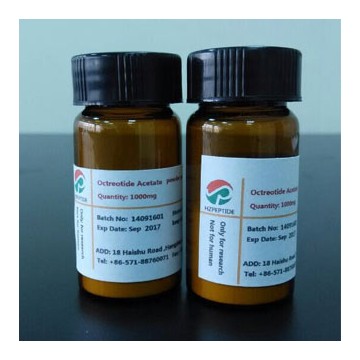
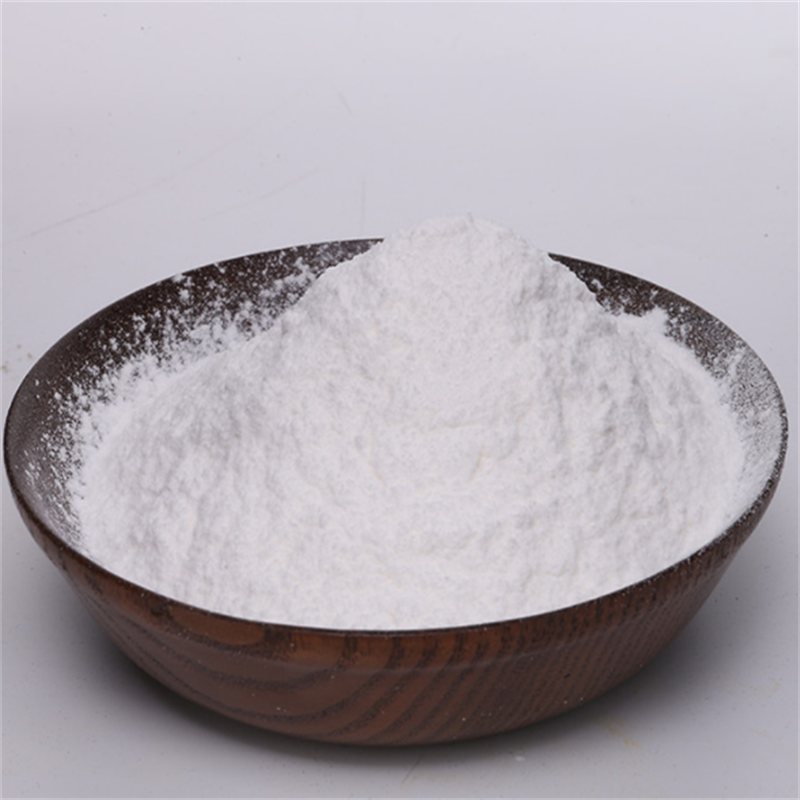
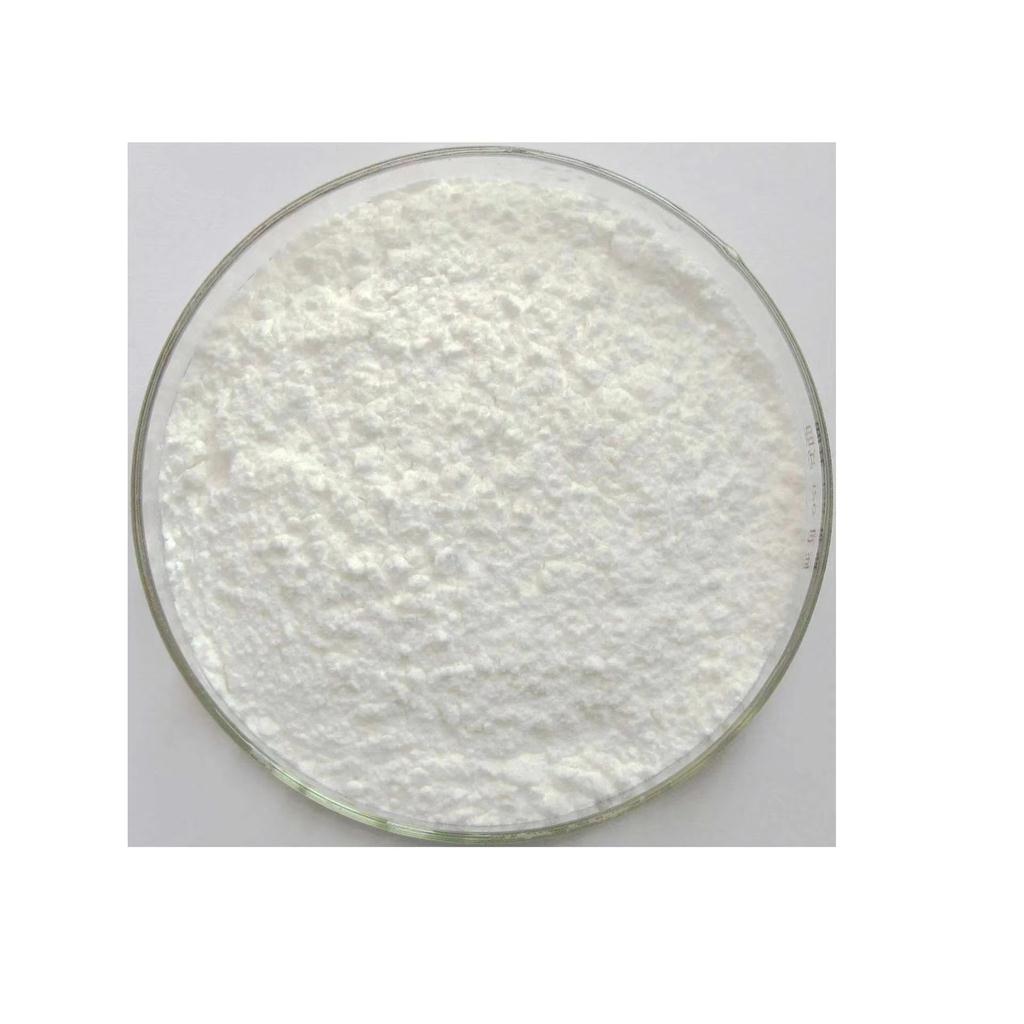
Full Name : Desmopressin Acetate 醋酸去氨加压素
Cas No.: 16679-58-6
Sequence: c(SCH2CH2CO-Tyr-Phe-Gln-Asn-Cys)-Pro-DArg-Gly-NH2 Acetate Salt
Purity: ≥98.0%
Single Impurity:≤0.50%
Storage Temp: 2 ~ 8 °C
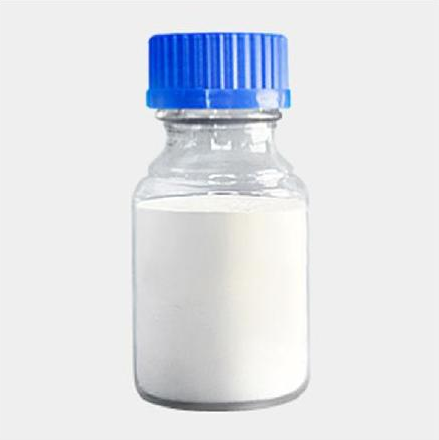
Packing Size: 1g/bottle, 10g/bottle, 50g/bottle or at customer requirement
*The following content is generated by AI and is for reference only.
Desmopressin Acetate is a synthetic analogue of the naturally occurring antidiuretic hormone, vasopressin. Its molecular formula is C46H64N14O12S2·CH3COOH, and it is identified by the CAS Registry Number 35070-89-4. This pharmaceutical compound is widely recognized for its potent antidiuretic activity and its ability to increase plasma levels of factor VIII and von Willebrand factor, making it a critical therapeutic agent in modern medicine.
The primary clinical application of Desmopressin Acetate is the management of central diabetes insipidus, a condition characterized by excessive thirst and the production of large volumes of dilute urine due to insufficient secretion of endogenous vasopressin. By mimicking the action of natural hormones on renal tubules, it significantly reduces urine output and helps maintain fluid balance. Furthermore, it serves as an effective treatment for nocturnal enuresis in children who have not responded to behavioral interventions, helping them achieve bladder control during sleep.
In hematology, this drug plays a vital role in managing mild to moderate hemophilia A and certain types of von Willebrand disease. It stimulates the release of stored clotting factors from endothelial cells, thereby reducing bleeding time and facilitating hemostasis prior to surgical procedures or following minor trauma. Additionally, it is utilized in diagnostic testing to evaluate pituitary function and in the treatment of uremic bleeding where platelet dysfunction is present.
Chemically, Desmopressin Acetate is distinguished by the substitution of arginine at position 8 with L-desamino-D-arginine and the removal of the terminal glycine amide group found in native vasopressin. These structural modifications enhance its duration of action while minimizing pressor effects on blood vessels, resulting in a safer profile for long-term use. Available in various formulations including tablets, nasal sprays, and injectable solutions, it offers flexibility in dosing tailored to specific patient needs. While generally well-tolerated, careful monitoring is required to prevent hyponatremia, particularly in elderly patients or those with compromised renal function. As a cornerstone therapy for endocrine and coagulation disorders, Desmopressin Acetate remains indispensable in clinical practice worldwide.





 (All Rights Reserved)