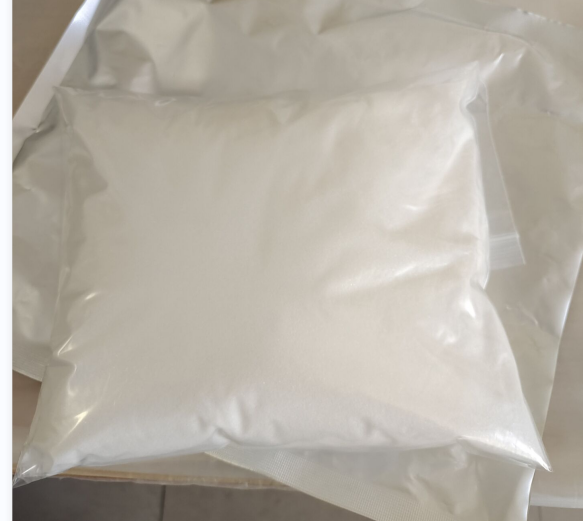
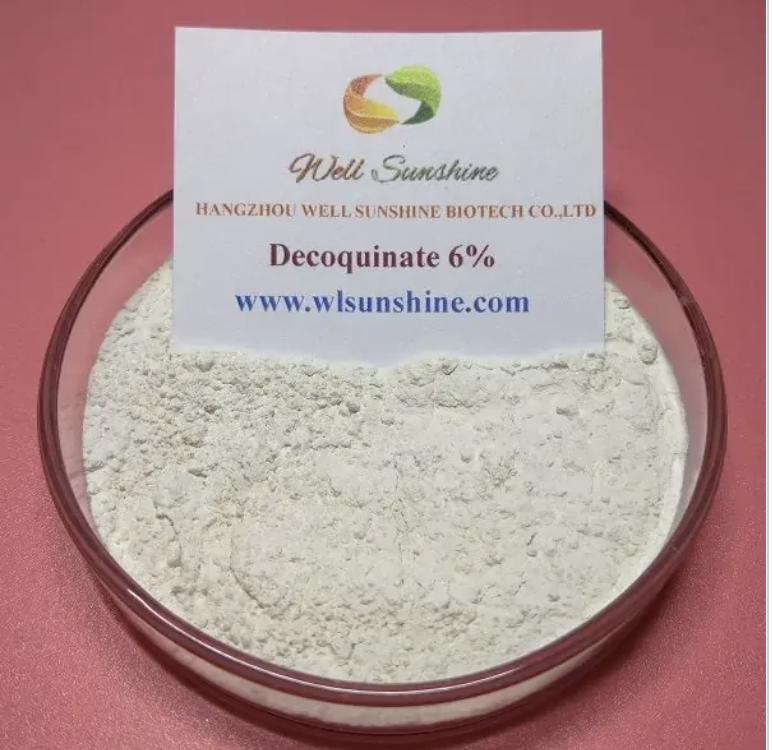
Off white powder.
Coccidiostat, for the prevention of poultry coccidiosis. It has a great effect on E.tenella, Eimeria Acervulina, E.nacatrix, Eimeria Brunetti, E.maxima.
Decoquinate plays a role in the asexual reproduction stage of the coccidia, after enter the coccidia spore cells, by interfering with DNA synthesis and preventing its development. It begins to play a role in the early coccidia life cycle, thus avoiding damage to the poultry intestine.
*The following content is generated by AI and is for reference only.
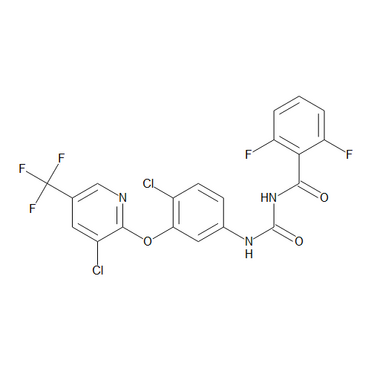
Decoquinate 6% is a widely utilized coccidiostat belonging to the quinolone class of compounds, primarily employed in veterinary medicine to prevent and control coccidiosis in poultry and livestock. The chemical entity is identified by its systematic name, 2-ethoxy-1-methyl-4-(2-propenyl)-3(2H)-quinolinone, with the molecular formula C15H17NO3. Its unique structural configuration features an ethoxy group at the second position and a propenyl side chain, which are critical for its biological activity against protozoan parasites. The substance is officially registered under the CAS number 84-49-1, ensuring its traceability and regulatory compliance across global markets.
The primary application of Decoquinate lies in the prophylactic treatment of coccidiosis, a devastating disease caused by Eimeria species that leads to severe intestinal damage, reduced weight gain, and high mortality rates in young birds and animals. By inhibiting the mitochondrial electron transport chain, specifically targeting complex III, Decoquinate disrupts ATP production within the parasite, effectively halting its replication cycle without causing significant harm to the host organism. This selective toxicity makes it a preferred choice for farmers seeking to maintain flock health during critical growth phases.
Commercially available as a 6% premix or feed additive, this formulation allows for precise dosing when mixed into standard animal feed, ensuring uniform distribution throughout the diet. The low dosage required for efficacy minimizes the risk of residue accumulation in meat and eggs, adhering to strict food safety standards set by agencies such as the FDA and EFSA. Beyond poultry, it has shown promise in managing coccidial infections in calves and rabbits, contributing to improved overall productivity and welfare in intensive farming systems. With its established safety profile and proven effectiveness, Decoquinate remains a cornerstone in modern veterinary parasitology, offering a reliable solution against one of the most persistent challenges in animal husbandry while supporting sustainable agricultural practices globally.



 (All Rights Reserved)