Product Description
Aliase: Darifenacin hydrobromide
Purity: 99%
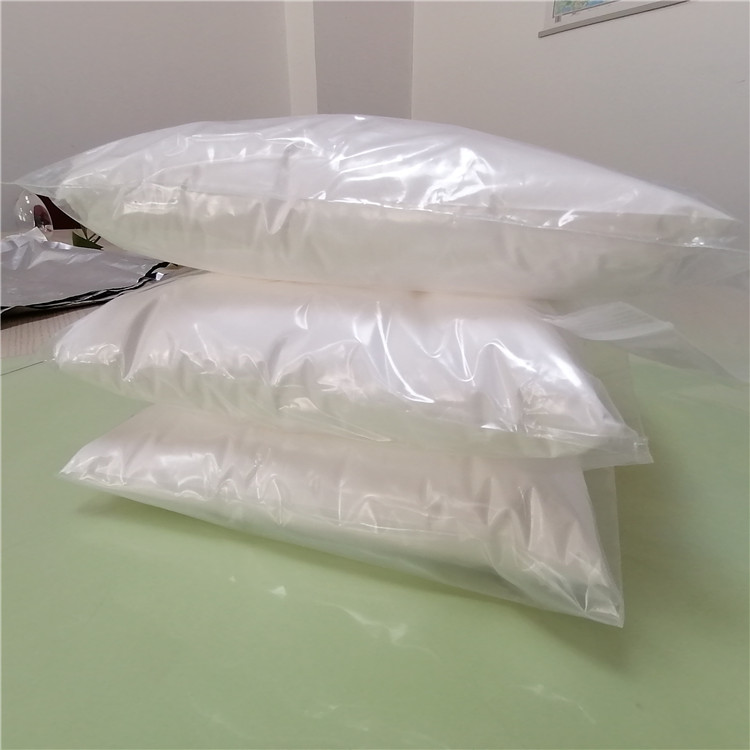
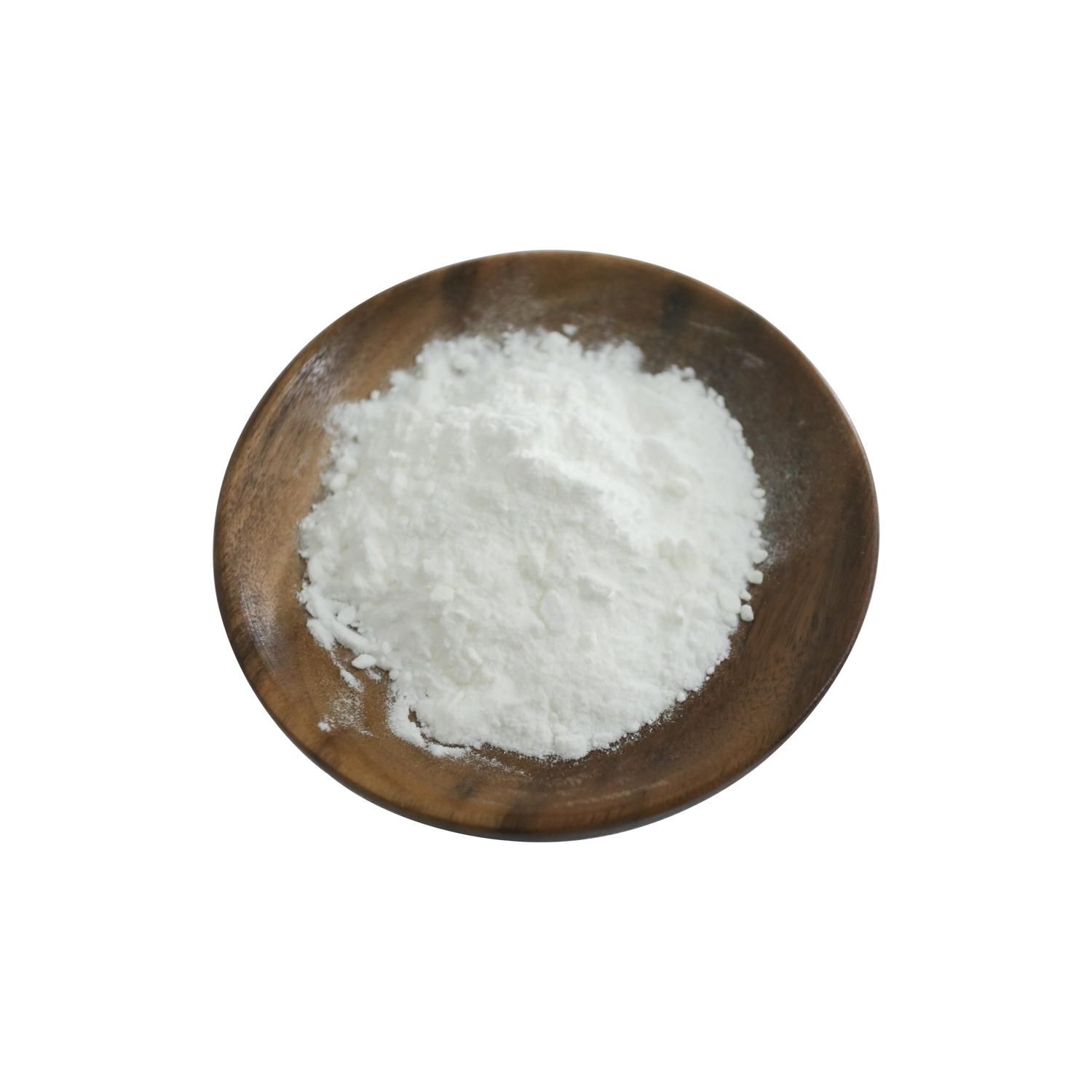
Appearance:White powder
Brand: jianfeng
high quality: low price
Usage: Darifenacin hydrobromide is used as a medication to treat urinary incontinence. It works by blocking the M3 muscarinic
acetylcholine receptor.
AI Product Description
*The following content is generated by AI and is for reference only.
Darifenacin hydrobromide is a selective muscarinic M3 receptor antagonist primarily utilized in the management of overactive bladder (OAB). As a quaternary ammonium derivative, it exhibits high affinity for the M3 receptors located in the detrusor muscle of the urinary bladder. By blocking these specific receptors, the drug effectively inhibits involuntary bladder contractions, thereby reducing symptoms such as urinary urgency, frequency, and urge incontinence. Its selectivity is a key pharmacological advantage; unlike non-selective antimuscarinics, Darifenacin has minimal binding affinity for M1 and M2 receptors found in salivary glands, cardiac tissue, and smooth muscles of the gastrointestinal tract. This specificity significantly lowers the incidence of common side effects associated with traditional therapies, particularly dry mouth, constipation, and blurred vision, although these may still occur in some patients.
The chemical identity of this pharmaceutical agent is defined by its molecular formula, C25H30BrNO4, and its unique CAS registry number, 197338-62-2. It is typically marketed under various brand names globally, most notably Enablex, and is available in oral tablet formulations ranging from 7.5 mg to 15 mg. The medication is indicated specifically for adults diagnosed with OAB who have not responded adequately to lifestyle modifications or other treatments. Clinical studies have demonstrated that Darifenacin improves quality of life by increasing bladder capacity and reducing the number of daily voiding episodes without compromising cognitive function, which is a concern with older anticholinergic drugs.
Pharmacokinetically, the drug undergoes extensive first-pass metabolism via the cytochrome P450 enzyme system, primarily CYP2D6. Consequently, dosage adjustments are often necessary for patients who are poor metabolizers of CYP2D6 substrates or those taking strong inhibitors of this enzyme. While generally well-tolerated, caution is advised in patients with uncontrolled narrow-angle glaucoma, gastric retention, or severe hepatic impairment. Overall, Darifenacin hydrobromide represents a targeted therapeutic approach for managing lower urinary tract symptoms, offering a favorable balance between efficacy and tolerability compared to earlier generation antimuscarinic agents.




 (All Rights Reserved)







![6,8-Dioxo-5,7-diazaspiro[3.4]octane-2-carboxylic acid](https://eimg.pharmasources.com/image/product/20250403/02effeb5a7639bc84ff1f3add3c0c64fjpg)
![8,16-Diazadispiro[6.1.6.2]heptadecan-17-one](https://eimg.pharmasources.com/image/product/20250403/ca91cba8b87e53fc879f8d8764873a40jpg)

![8-Oxa-1,3-diazaspiro[4.5]decane-2,4-dione](https://eimg.pharmasources.com/image/product/20250403/60fa7223d5a34f24138486ceea0ffb15jpg)

