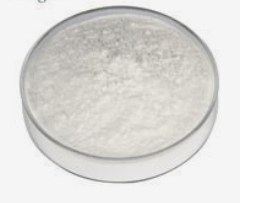
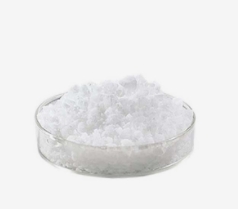
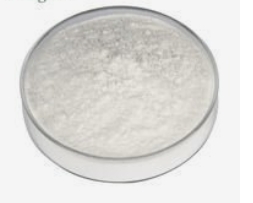
Daptomycin is a crystalline powder of slightly pale yellow or yellow with a melting point between 202 and 204 ° C. It is naturally present in the soil saprophytic streptomyces. Clinically a lipoprotein antibiotic used to treat infections caused by Gram-positive bacteria that threaten the system and life.
Regulatory Status: DMF Certificate
It complies with In-house Standard.
*The following content is generated by AI and is for reference only.
Daptomycin is a cyclic lipopeptide antibiotic with the molecular formula C66H98CaN12O17 and the CAS Registry Number 103110-38-3. First approved by the U.S. Food and Drug Administration in 2003, it represents a significant advancement in treating serious Gram-positive bacterial infections, particularly those resistant to other classes of antibiotics. The molecule features a unique structure composed of a peptide ring linked to a fatty acid tail, which facilitates its interaction with bacterial cell membranes.
The primary mechanism of action involves the rapid binding of Daptomycin to the cytoplasmic membrane of susceptible Gram-positive bacteria in a calcium-dependent manner. This binding induces the formation of ion channels, leading to a rapid depolarization of the membrane potential. Consequently, essential cellular processes such as protein, DNA, and RNA synthesis are halted, resulting in bacterial cell death. Due to this distinct mode of action, Daptomycin retains efficacy against methicillin-resistant Staphylococcus aureus (MRSA), vancomycin-resistant enterococci (VRE), and penicillin-resistant Streptococcus species.
Clinically, Daptomycin is indicated for the treatment of complicated skin and skin structure infections (cSSSI) caused by susceptible organisms, as well as Staphylococcus aureus bacteremia and right-sided infective endocarditis. It is administered intravenously once daily. A notable limitation is its lack of activity against pneumonia; the drug is rapidly inactivated by pulmonary surfactant, rendering it ineffective for respiratory tract infections. Common side effects include elevated creatine phosphokinase levels, myopathy, and eosinophilic pneumonia, necessitating regular monitoring of muscle enzymes during therapy. As resistance mechanisms evolve, Daptomycin remains a critical therapeutic option for multidrug-resistant Gram-positive infections, often serving as a last-line defense when beta-lactams and glycopeptides fail. Its development marked a pivotal moment in combating hospital-acquired infections and improving patient outcomes in complex clinical scenarios involving resistant pathogens.





 (All Rights Reserved)
![6-broMo-2-chloro-8-cyclopentyl-5-Methylpyrido[2,3-d]pyriMidin-7(8H)-one](https://eimg.pharmasources.com/image/20250617/4zoOybJjzUTk0UgguabMkX7VnrDIlxHluERwqkjK.jpg)