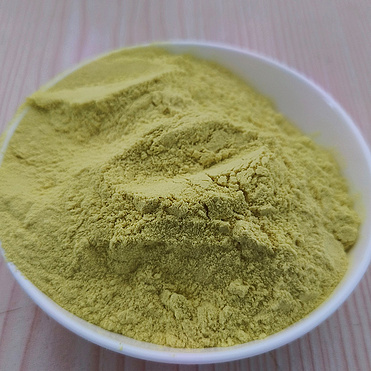
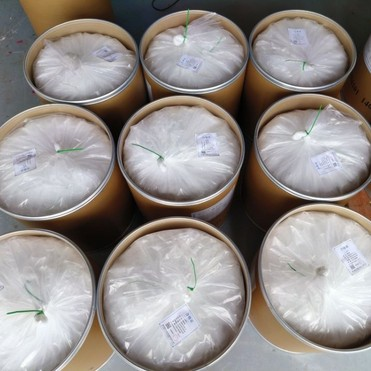
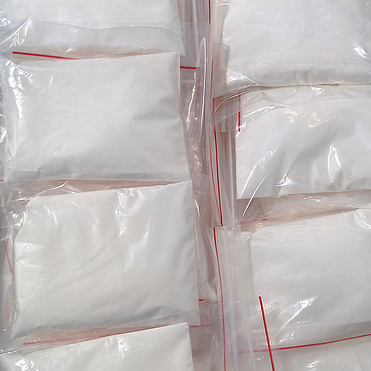
Product Description
Melting point: 60°C
Boiling point: 496.3±45.0 °C(Predicted)
Density: 1.3336 (estimate)
Vapor pressure: 1-8×10⁻⁸ Pa (20 °C)
Refractive index: nD23 1.5511
Storage conditions: Sealed in dry,Room Temperature
Solubility: Chloroform: Slightly Soluble, Methanol: Heated
Water solubility: 0.002-0.003 mg l-1 (20 °C)
AI Product Description
*The following content is generated by AI and is for reference only.
Cyfluthrin is a synthetic pyrethroid insecticide widely utilized in agricultural and residential pest control due to its high efficacy against a broad spectrum of insects. Chemically known by the IUPAC name (1R,3R)-cyano(3-phenoxyphenyl)methyl 3-(2,2-dichlorovinyl)-2,2-dimethylcyclopropanecarboxylate, it possesses the molecular formula C23H18Cl2NO3. Its unique CAS registry number is 68359-37-5, which serves as a definitive identifier for regulatory compliance and safety data sheets globally. The compound functions primarily by disrupting the nervous systems of target pests, causing rapid paralysis and death upon contact. This mechanism involves the prolonged opening of sodium channels in nerve cells, leading to repetitive firing and eventual system failure in the insect.
In agricultural settings, Cyfluthrin is extensively applied to protect a variety of crops, including fruits, vegetables, nuts, and ornamental plants, from damaging pests such as aphids, caterpillars, beetles, and leafhoppers. It is particularly valued for its fast "knockdown" activity, providing immediate relief from infestations. Beyond agriculture, it finds significant application in public health programs for controlling vectors like mosquitoes and flies, as well as in structural pest management for eliminating ants, cockroaches, and spiders within buildings. The product is available in various formulations, including emulsifiable concentrates, wettable powders, and ready-to-use sprays, allowing for versatile application methods ranging from foliar spraying to soil drenching.
Despite its effectiveness, Cyfluthrin requires careful handling due to its moderate toxicity to aquatic organisms and bees. Regulatory agencies mandate specific pre-harvest intervals and buffer zones near water bodies to mitigate environmental risks. When used according to label instructions, it offers a reliable solution for integrated pest management strategies. Its stability under sunlight and residual activity make it a preferred choice for long-term protection, though resistance management is crucial to maintain its efficacy over time. As a key component in modern pest control arsenals, Cyfluthrin continues to play a vital role in safeguarding food security and maintaining sanitary living environments worldwide.





 (All Rights Reserved)