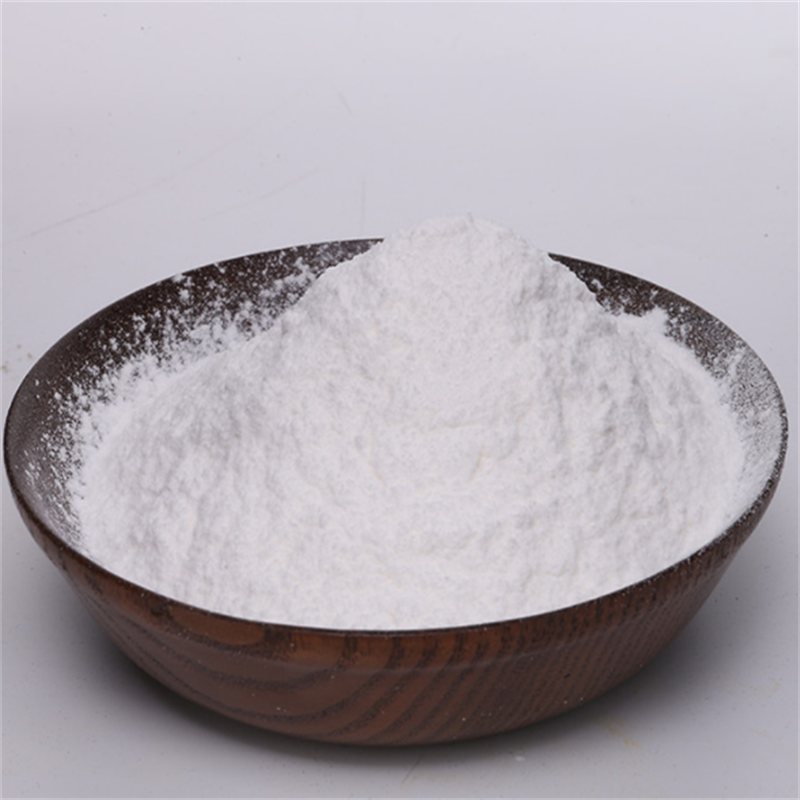
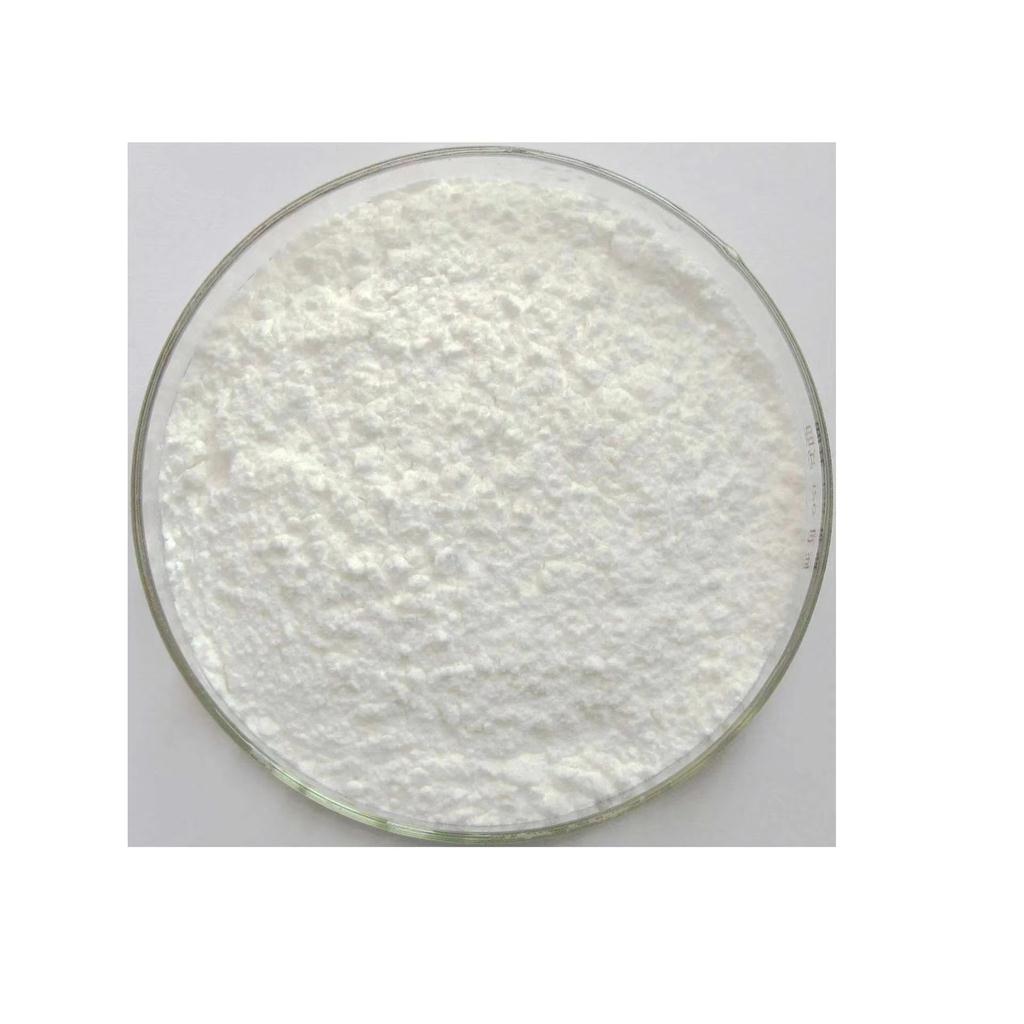
Corosolic acid is a naturally occurring pentacyclic triterpene also known as 2 alpha-hydroxy ursolic acid.Aguirre 2006, Wen 2007 Chemical analyses focus on the study of corosolic acid and its derivatives as inhibitors of glycogen phosphorylases for potential development of antidiabetic agents.
*The following content is generated by AI and is for reference only.
Corosolic acid is a naturally occurring triterpenoid compound primarily isolated from the leaves of Lagerstroemia speciosa, commonly known as the Indian crepe myrtle or Pride of India. This bioactive molecule has garnered significant attention in the scientific and pharmaceutical communities due to its potent metabolic regulatory properties. The molecular formula of corosolic acid is C30H48O3, and it is identified by the CAS registry number 21564-93-8. Structurally, it belongs to the ursane-type triterpenes, characterized by a complex pentacyclic skeleton that contributes to its biological stability and interaction with cellular receptors.
The most prominent application of corosolic acid lies in its ability to enhance glucose uptake and improve insulin sensitivity. Research suggests that it mimics the action of insulin by stimulating the translocation of GLUT4 glucose transporters to the cell membrane without requiring high levels of circulating insulin. Consequently, it is widely utilized in dietary supplements aimed at managing blood sugar levels, supporting weight loss, and combating metabolic syndrome. Beyond glycemic control, studies indicate potential anti-inflammatory and antioxidant effects, which may help mitigate oxidative stress associated with chronic diseases such as diabetes and cardiovascular disorders.
In the commercial sector, corosolic acid serves as a key active ingredient in various health products targeting diabetic management and athletic performance enhancement. It is often marketed alongside other natural extracts like gymnemic acid to create synergistic formulations for metabolic health. While generally recognized as safe for human consumption at recommended dosages, ongoing clinical trials continue to explore its efficacy in treating obesity and preventing age-related metabolic decline. Its natural origin and favorable safety profile make it a preferred choice over synthetic alternatives for consumers seeking holistic approaches to metabolic regulation. As research progresses, corosolic acid is expected to play an increasingly vital role in the development of next-generation therapeutics for metabolic disorders, bridging the gap between traditional herbal medicine and modern evidence-based pharmacology.





 (All Rights Reserved)