Product Description
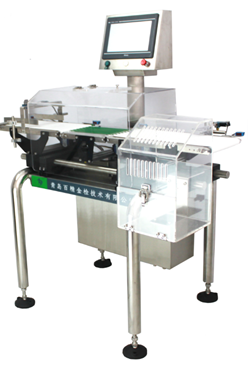
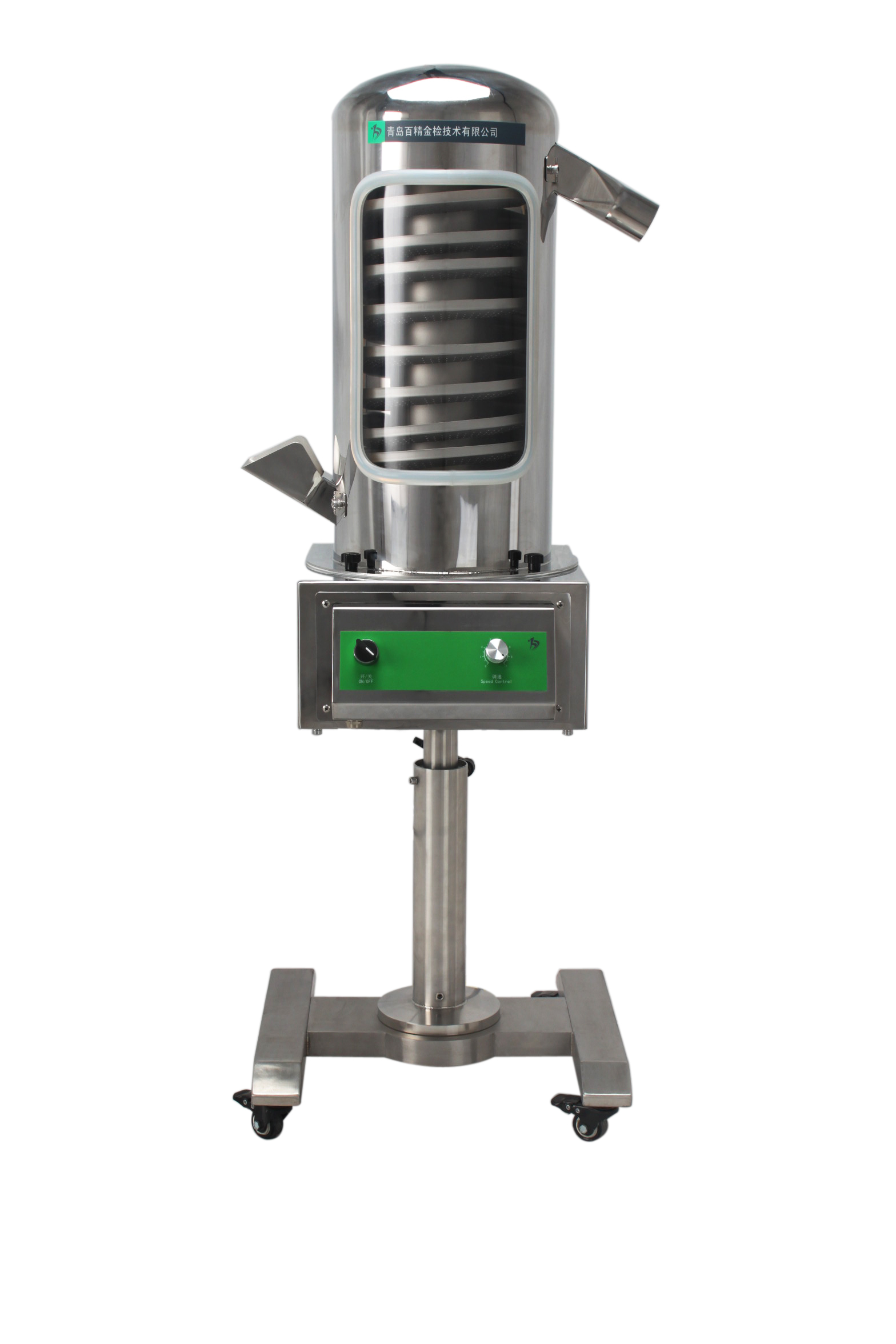
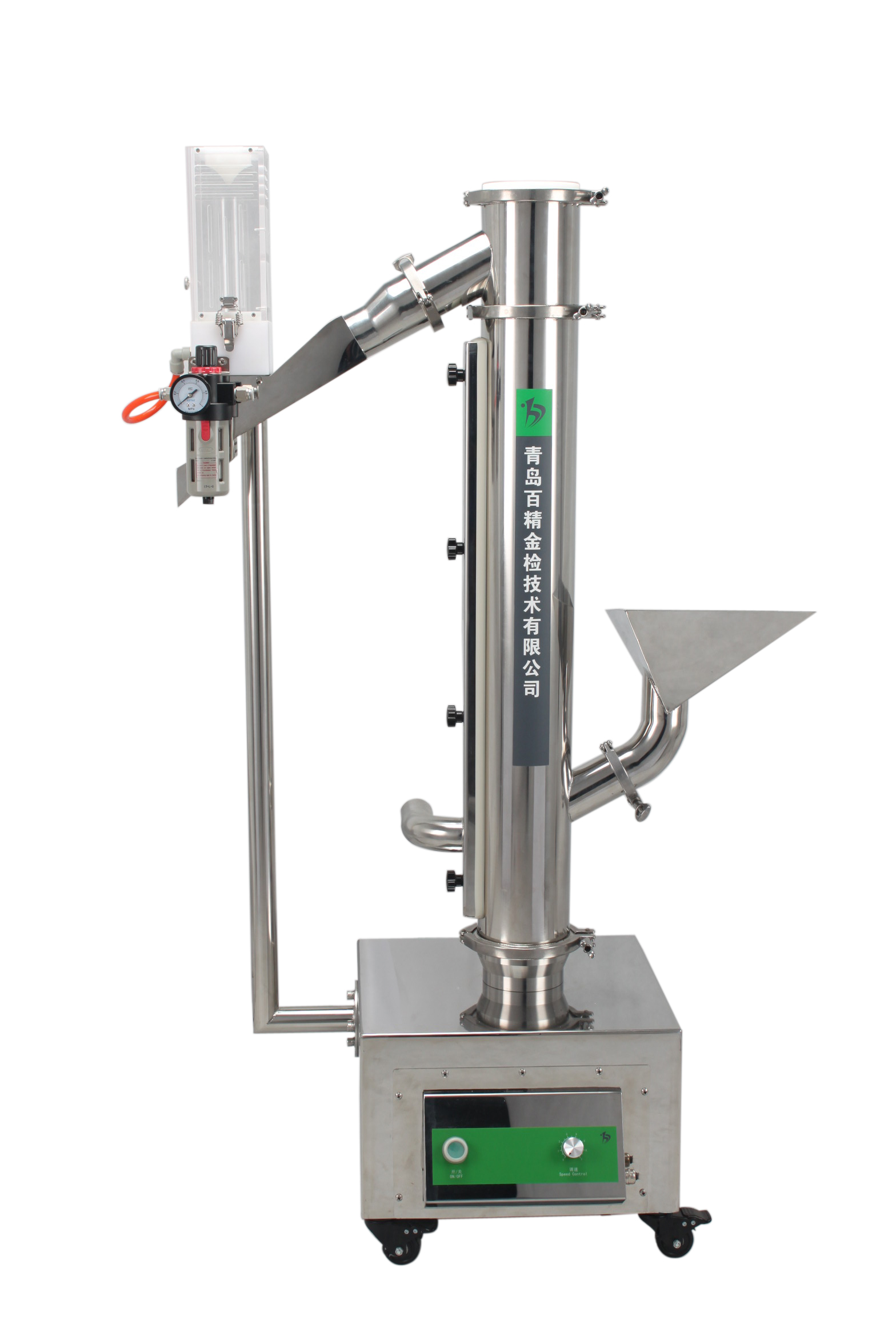
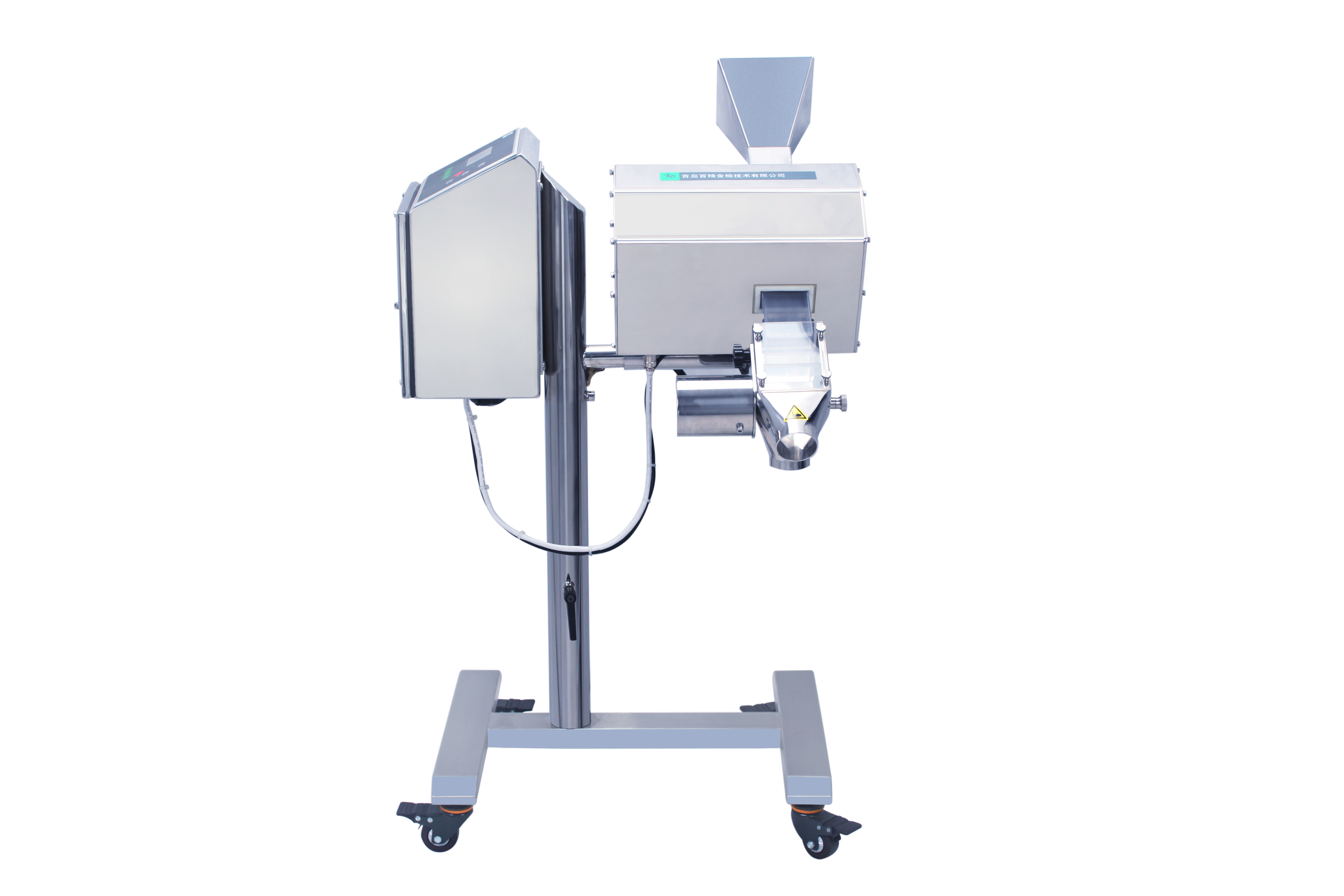
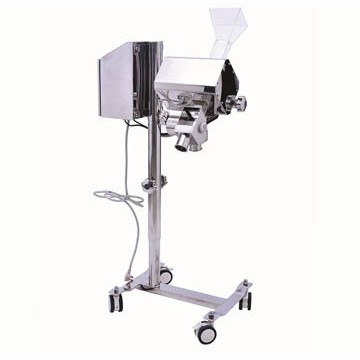
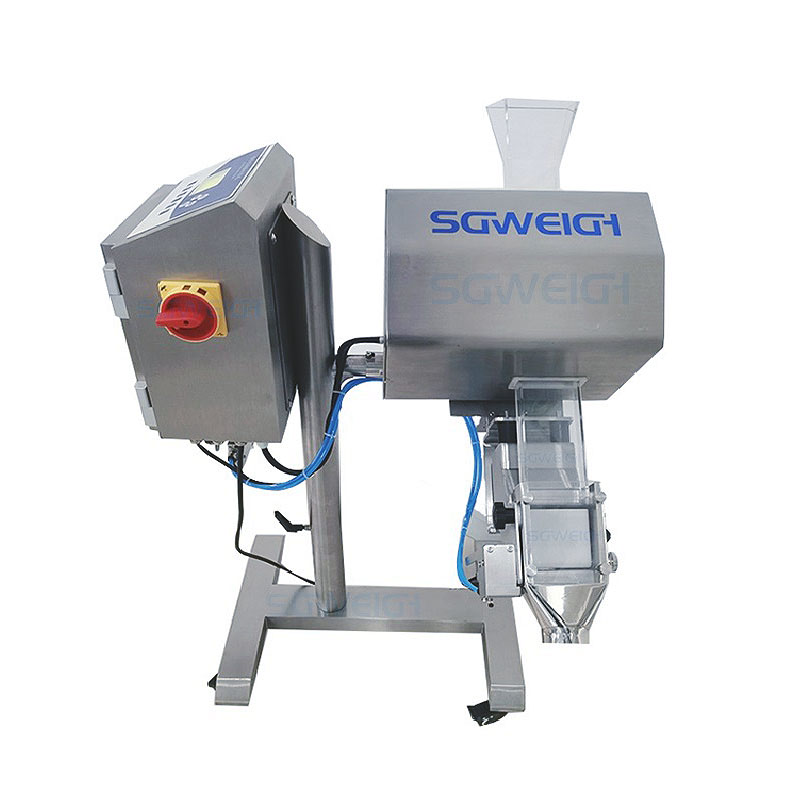
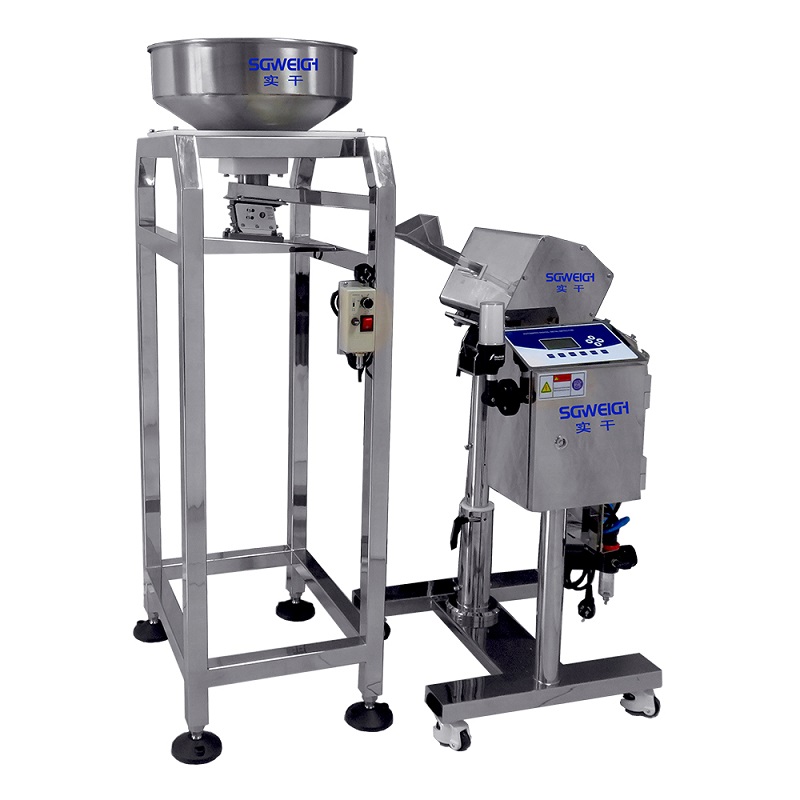
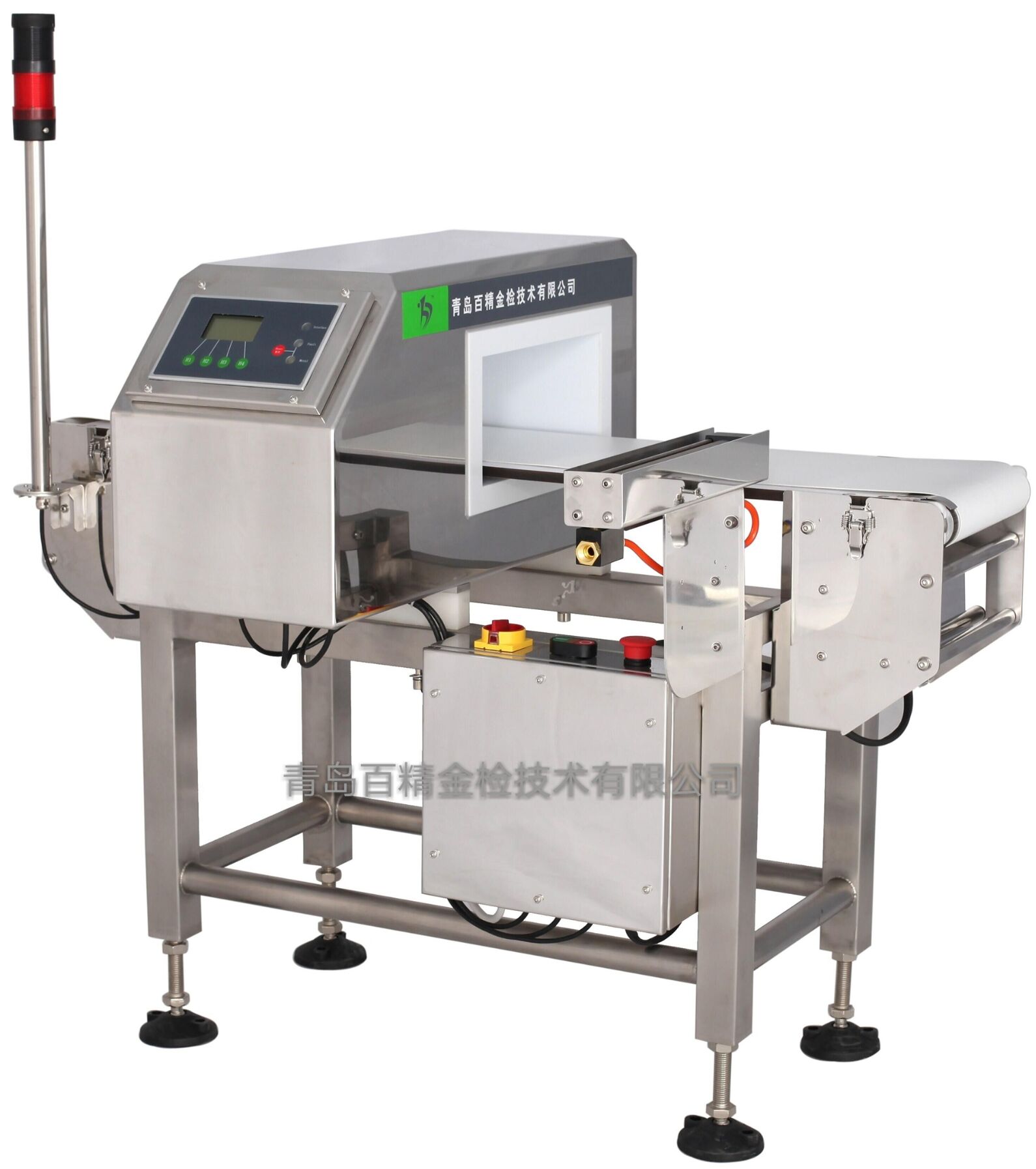
For products used after packaging, suitable for use on bottle production lines in the pharmaceutical industry, and can also be used separately.
Can automatically learn and compensate for product effects, store 200 products, record 1500 events.
AI Product Description
*The following content is generated by AI and is for reference only.
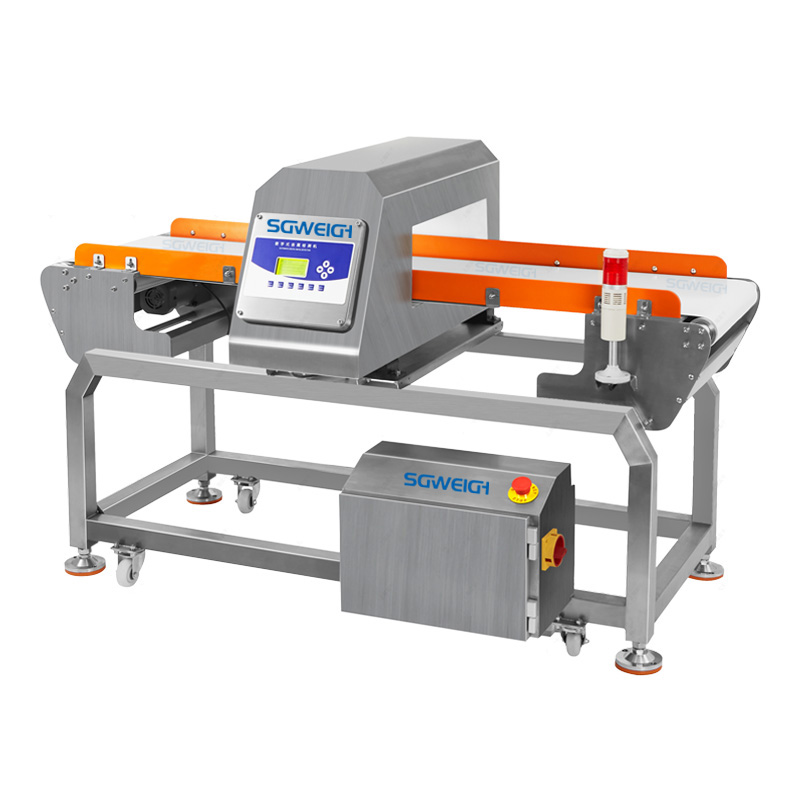
The Conveyor Belt Type Metal Detector is a critical quality assurance and safety device widely utilized across food processing, pharmaceutical manufacturing, packaging, recycling, and chemical industries. Its primary function is to identify and reject foreign metallic contaminants that may inadvertently enter the production line during raw material handling or processing. By ensuring product purity, this equipment protects brand reputation, prevents costly recalls, and guarantees consumer safety from potential physical hazards caused by metal fragments.
Operating on advanced electromagnetic induction principles, the detector features a robust conveyor belt system integrated with a highly sensitive detection head. As products pass through the detection zone, any ferrous or non-ferrous metals disrupt the electromagnetic field, triggering an immediate alarm. This signal activates an automatic rejection mechanism, such as a pusher arm, flip-down flap, or diverter chute, which swiftly removes the contaminated item from the stream without interrupting the overall workflow. Modern units often include programmable logic controllers for precise sensitivity adjustment, allowing operators to distinguish between genuine contaminants and harmless process-induced metal noise.
When implementing this technology, several operational precautions are essential for optimal performance. First, proper installation requires a stable foundation free from excessive vibration, which can cause false alarms. Second, the system must be calibrated regularly using standard test samples to maintain peak sensitivity levels. Third, environmental factors like temperature fluctuations, humidity, and nearby heavy machinery should be managed, as they can influence detection accuracy. Additionally, regular maintenance of the conveyor belt tension and sensor cleanliness is vital to prevent mechanical failures. Operators must also ensure that all personnel are trained on emergency procedures and routine testing protocols. Finally, integrating the detector with upstream and downstream systems ensures seamless data logging and traceability, providing comprehensive records for regulatory compliance. Ultimately, this technology serves as an indispensable guardian in modern industrial lines, balancing efficiency with rigorous safety standards.





 (All Rights Reserved)