Product Description
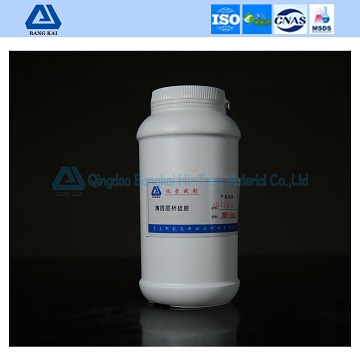
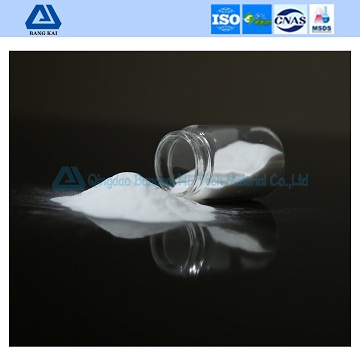
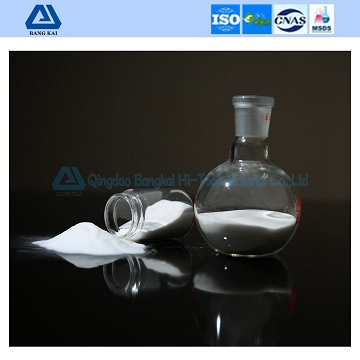
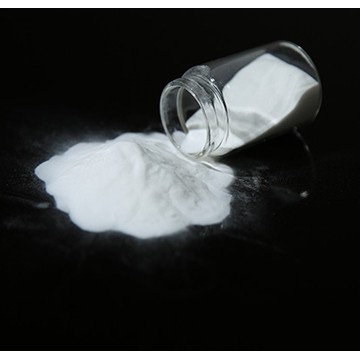
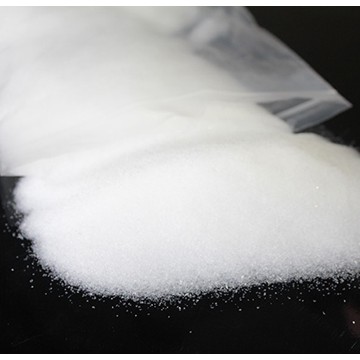
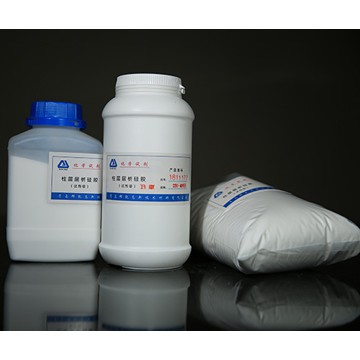
The product is a white odorless powder insoluble in water, acids and organic solvents. It features uniform pore distribution and high compressive strength. Because of the high surface hydroxyl group activity, it can achieve rapid separation and purification under high and medium pressures
AI Product Description
*The following content is generated by AI and is for reference only.
Column Chromatography Silica Gel 60A is a high-purity, amorphous silica material widely utilized in analytical and preparative chemistry for the separation of complex mixtures. The "60" designation refers to the particle size range (typically 0.040–0.063 mm or 230–400 mesh), while "A" indicates an acid-washed grade, ensuring minimal metal ion content that could interfere with sensitive reactions or degrade analytes. This adsorbent serves as the stationary phase in column chromatography, where compounds are separated based on differences in their polarity and affinity for the silica surface versus the mobile solvent phase.
Its primary applications include purifying organic synthesis products, isolating natural products from plant extracts, and separating reaction byproducts. The uniform pore structure and high surface area of Silica Gel 60A provide excellent resolution for a broad spectrum of compounds, ranging from non-polar hydrocarbons to polar alcohols and acids. It is compatible with various elution systems, allowing chemists to fine-tune separation efficiency by adjusting solvent polarity. Furthermore, its mechanical strength ensures stable flow rates during gravity or pressure-driven chromatography, making it suitable for both small-scale laboratory analysis and larger preparative runs.
Handling this material requires strict adherence to safety protocols. Silica gel dust is a respiratory irritant; therefore, operations should be conducted in a well-ventilated fume hood, and personnel must wear appropriate personal protective equipment, including N95 masks, gloves, and safety goggles. Inhalation of fine particles can cause silicosis with chronic exposure, so avoiding aerosol generation is critical. Additionally, silica gel is highly hygroscopic; exposure to atmospheric moisture reduces its adsorption capacity and alters separation performance. Consequently, the product must be stored in tightly sealed containers in a cool, dry environment. Before use, it may require activation by heating to remove residual water if high sensitivity is required. Proper disposal involves collecting used silica containing hazardous waste according to local environmental regulations, as it cannot be simply discarded into regular trash. By following these guidelines, researchers can ensure safe, efficient, and reproducible separations using this essential chemical tool.





 (All Rights Reserved)