Product Description
please call me , to know more
AI Product Description
*The following content is generated by AI and is for reference only.
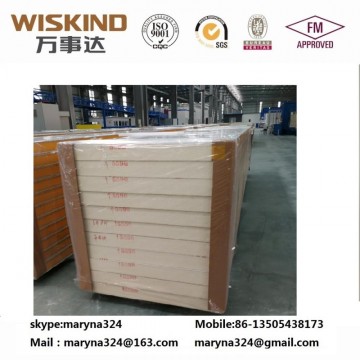
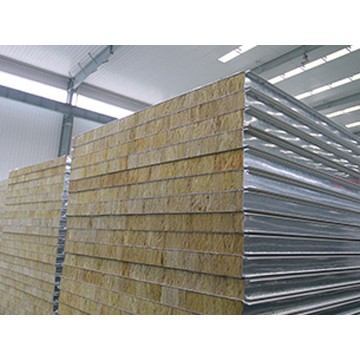
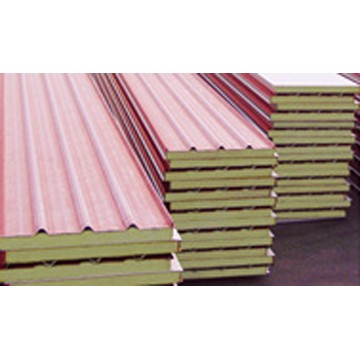
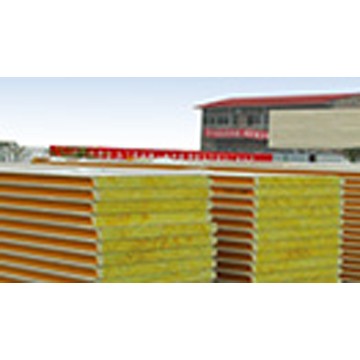
This product category refers to high-performance metal-clad insulated sandwich panels widely utilized in modern construction for both exterior cladding and interior partitioning. These composite units consist of two thin, strong metal skins bonded to a rigid foam core, typically polyurethane (PUR), polyisocyanurate (PIR), or mineral wool, creating a lightweight yet structurally robust building envelope solution. The primary application lies in cold storage facilities, industrial warehouses, cleanrooms, and commercial buildings where superior thermal efficiency, fire resistance, and rapid installation are critical requirements.
The design offers exceptional insulation properties that significantly reduce energy consumption by minimizing thermal bridging, thereby maintaining stable internal temperatures with lower HVAC loads. Their modular nature allows for swift assembly on-site, reducing labor costs and project timelines compared to traditional masonry or block construction. Additionally, the smooth metal surface provides excellent durability against weathering, corrosion, and impact, while offering a sleek aesthetic finish available in various colors and profiles.
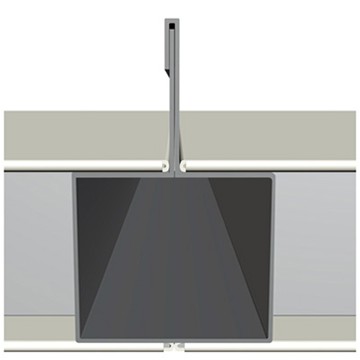
When handling and installing these panels, strict adherence to safety protocols is essential. Workers must wear appropriate personal protective equipment (PPE) to avoid cuts from sharp edges during cutting or trimming. It is crucial to store panels flat and protected from moisture to prevent core degradation or skin delamination before installation. During fabrication, proper ventilation is required as cutting foams can release fumes; specific tools should be used to ensure clean cuts without compromising the integrity of the insulation layer. Furthermore, correct sealing of joints using compatible tapes and sealants is vital to maintain the air-tight and water-tight performance of the system. Improper fastening techniques can lead to structural weakness or thermal leaks. Always consult manufacturer guidelines regarding load-bearing capacities and fire ratings specific to the core material selected. By following these best practices, builders can ensure long-term performance, energy efficiency, and safety compliance for the finished structure.





 (All Rights Reserved)