Product Description
|
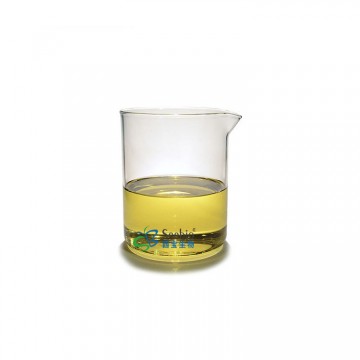
Appearance
|
Yellow to yellowish green liquid
|
|
Odour
|
With the strong smell of eugenol
|
|
Relative Density
|
1.038~1.060
|
|
Refractive Index
|
1.527~1.535
|
|
Optical Rotation
|
-1°~+2°
|
|
Solubility
|
Soluble in more than 70% ethanol
|
AI Product Description
*The following content is generated by AI and is for reference only.
Clove leaf oil, derived primarily from the species *Eugenia caryophyllata* (formerly *Syzygium aromaticum*), is a potent essential oil widely utilized in the global aromatherapy and pharmaceutical industries. Unlike clove bud oil, which is richer in eugenol, clove leaf oil typically contains a lower concentration of this primary active compound, often ranging between 70% to 85%, while possessing significant levels of beta-caryophyllene and alpha-humulene. The chemical composition varies slightly depending on the geographical origin and extraction method, but the molecular formula for its major constituent, eugenol, is C10H12O2. While the oil itself is a complex mixture without a single unified molecular formula, it is frequently cataloged under CAS number 8000-34-8 for general identification purposes, though specific fractions may have distinct identifiers.
This amber-colored liquid possesses a warm, spicy, and herbaceous aroma that distinguishes it from the sweeter scent of clove buds. Its applications are diverse and extensive. In the dental sector, clove leaf oil serves as a traditional analgesic and antiseptic agent, effectively soothing toothaches and managing oral infections due to its numbing properties. Beyond dentistry, it is a key ingredient in perfumery, providing depth to woody and spicy fragrance profiles in soaps, lotions, and cosmetics. In the food industry, it functions as a natural flavoring agent for meats, sauces, and baked goods, offering both taste preservation and antimicrobial benefits. Furthermore, recent studies highlight its potential in agricultural applications as a natural insect repellent and in veterinary medicine for treating minor skin irritations. Due to its high reactivity, proper handling is essential, as undiluted application can cause skin sensitization. Overall, clove leaf oil remains a versatile bio-resource valued for its therapeutic efficacy and aromatic complexity across multiple commercial sectors.





 (All Rights Reserved)