Clomiphene Citrate /Clomid Clomiphene Citrate /Clomid Clomiphene Citrate /Clomid
1. Product details:
Clomiphene Citrate /Clomid
CAS No.: 50-41-9
Molecular formula: C32H36ClNO8
Molecular Weight: 598.09
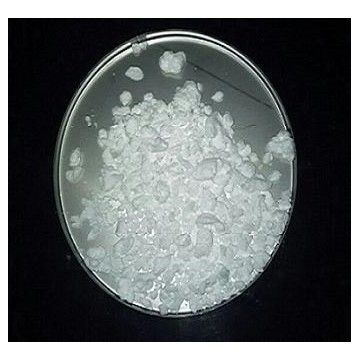
Appearance: White powder
Purity: 99%
Usage: Pharmaceutical raw materials
*The following content is generated by AI and is for reference only.
Clomiphene is a well-established non-steroidal selective estrogen receptor modulator (SERM) primarily used in reproductive medicine to treat female infertility caused by ovulatory dysfunction. It works by blocking estrogen receptors in the hypothalamus, which prevents negative feedback and stimulates the release of gonadotropin-releasing hormone (GnRH), subsequently increasing follicle-stimulating hormone (FSH) and luteinizing hormone (LH) secretion to induce ovulation. The chemical name for Clomiphene citrate is 2-[4-[2-chloro-1,1-diphenylbut-1-enyl]phenoxy]ethanamine citrate, with the molecular formula C26H28ClNO2·C6H8O7 and CAS Registry Number 50-41-9. It exists as a mixture of two geometric isomers, zuclomiphene and enclomiphene, which exhibit different metabolic half-lives and biological activities.
The term "Peptide" in your query appears to be a misclassification or a confusion regarding product naming, as Clomiphene is strictly a small molecule synthetic drug and not a peptide compound. Peptides are chains of amino acids, whereas Clomiphene is a triphenylethylene derivative. There is no commercially recognized product known specifically as "Clomiphene--Peptide." If you are referring to a specific research compound involving Clomiphene conjugated to a peptide for targeted delivery, such information is not standard in current pharmaceutical databases or regulatory filings. Standard Clomiphene citrate is widely utilized in clinical settings for treating polycystic ovary syndrome (PCOS) and unexplained infertility. In veterinary medicine, it is also employed to improve breeding performance in horses and livestock. Common side effects include hot flashes, mood swings, visual disturbances, and ovarian enlargement. Due to its potent hormonal activity, Clomiphene must be prescribed and monitored by qualified healthcare professionals to ensure safety and efficacy. Patients should avoid using this medication without proper medical supervision due to potential risks of multiple pregnancies and ovarian hyperstimulation syndrome. Research continues into optimizing SERMs for broader therapeutic applications beyond fertility treatment, including potential roles in breast cancer prevention, though Clomiphene remains distinct from peptide-based therapeutics.






 (All Rights Reserved)