Product Description
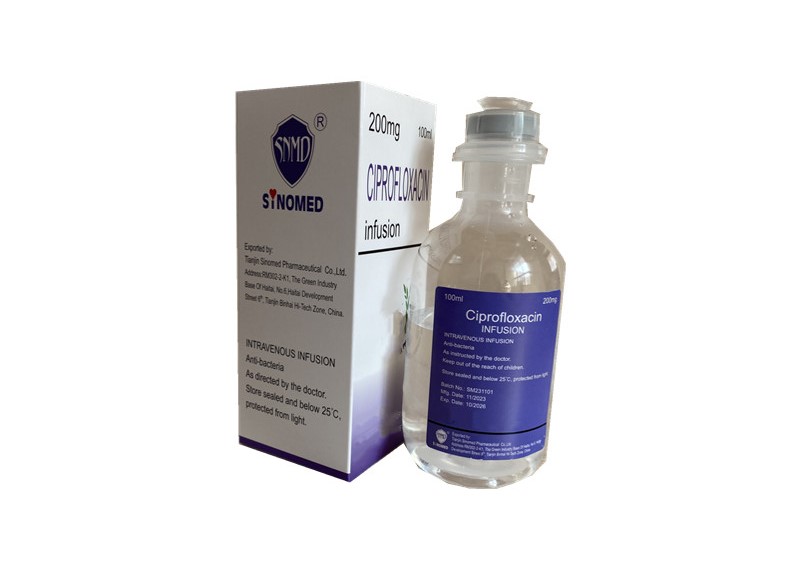
1.Product name: Ciprofloxacin Infusion
2.Specification: 200mg/100ml
3.Package: 1 bottle/box
4.Shelf life: 36 months
5.Registration documents are available.
If you are interested in our products,please feel free to contact us.
AI Product Description
*The following content is generated by AI and is for reference only.
Ciprofloxacin Infusion is a potent intravenous antibiotic belonging to the fluoroquinolone class, primarily indicated for treating serious bacterial infections when oral therapy is not feasible or appropriate. It works by inhibiting bacterial DNA gyrase and topoisomerase IV, enzymes essential for DNA replication, transcription, repair, and recombination, thereby killing susceptible bacteria. This formulation is commonly prescribed for complicated urinary tract infections, pyelonephritis, intra-abdominal infections, hospital-acquired pneumonia, skin and soft tissue infections, bone and joint infections, as well as anthrax exposure and inhalation. Its broad-spectrum activity covers both Gram-negative organisms, including *Pseudomonas aeruginosa*, and many Gram-positive pathogens.
Administration requires careful preparation and slow infusion over 60 minutes to minimize adverse reactions such as phlebitis or hypotension. The solution must be diluted appropriately in compatible fluids like 0.9% sodium chloride or 5% dextrose before use. Dosage adjustments are critical for patients with renal impairment to prevent drug accumulation and toxicity.
Significant precautions include monitoring for tendonitis or tendon rupture, particularly in elderly patients, those on corticosteroids, or transplant recipients. Ciprofloxacin may exacerbate myasthenia gravis symptoms and should be used with extreme caution in these individuals. Patients must be warned about potential central nervous system effects, including dizziness, confusion, or seizures, especially in those with a history of epilepsy. Photosensitivity reactions can occur; therefore, patients should avoid excessive sunlight and UV exposure during treatment. Additionally, this medication carries a risk of Clostridioides difficile-associated diarrhea, which can range from mild to life-threatening colitis.
Contraindications include known hypersensitivity to ciprofloxacin or other quinolones, and it should generally be avoided in pregnant women unless the benefits clearly outweigh the risks due to potential cartilage damage in developing fetuses. Concurrent use with tizanidine is strictly prohibited due to severe interactions causing hypotension and sedation. Healthcare providers must also consider drug-drug interactions with antacids, sucralfate, iron supplements, and warfarin, which can alter absorption or increase bleeding risks. Regular clinical assessment and laboratory monitoring are essential throughout the course of therapy to ensure efficacy and safety.





 (All Rights Reserved)