Category:
Other Specialized Reagents
CAS NO:
55-56-1
Standard:
In-house Standards,

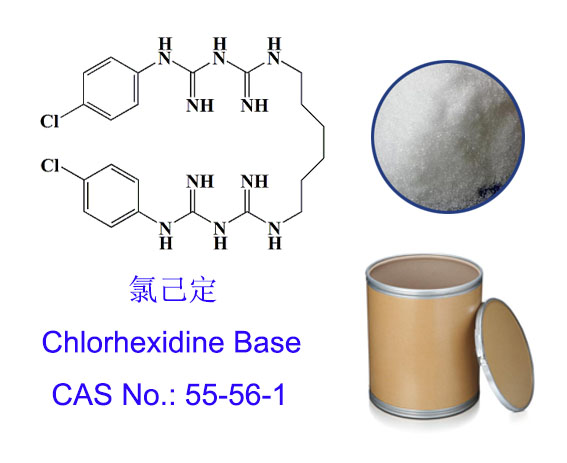

Skin disinfection: It is commonly used to disinfect the hands of doctors and nurses before surgery, as well as the skin disinfection of patients' surgical sites. It effectively kills bacteria on the surface of the skin and reduces the risk of surgical infection. In addition, in some trauma treatments, it can also be used to clean and disinfect the skin around the wound to prevent wound infection.
Mucosal disinfection: It can be used for disinfection of mucosal parts such as mouth, nasal cavity, and vagina. For example, in stomatology, chlorhexidine mouthwash is often used to treat oral diseases such as gingivitis and periodontitis, which can reduce the growth of oral bacteria and relieve inflammation. In obstetrics and gynecology, chlorhexidine solution is also used for vaginal douching to prevent and treat diseases such as vaginitis.
Medical device disinfection: It can be used for soaking and disinfection of some medical devices, such as endoscopic instruments such as gastroscopes and colonoscopies, as well as dental tools. It can effectively kill bacteria and viruses on the surface of the device and prevent cross-infection.



 (All Rights Reserved) (All Rights Reserved)
![8,16-Diazadispiro[6.1.6.2]heptadecan-17-one](https://eimg.pharmasources.com/image/product/20250403/ca91cba8b87e53fc879f8d8764873a40jpg)
![8-Oxa-1,3-diazaspiro[4.5]decane-2,4-dione](https://eimg.pharmasources.com/image/product/20250403/60fa7223d5a34f24138486ceea0ffb15jpg)
![6,8-Dioxo-5,7-diazaspiro[3.4]octane-2-carboxylic acid](https://eimg.pharmasources.com/image/product/20250403/02effeb5a7639bc84ff1f3add3c0c64fjpg)
