Product Description
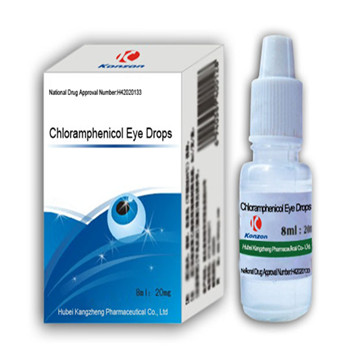
Name:Chloramphenicol Eye Drops
Specification:
5ml:12.5mg
8ml:20mg
10ml:25mg
Indication:Conjunctivitis,uveitis,blepharitis and trachoma caused by colon bacillus,haomophilus influenzae,klebsiella,staphylococcus and other sensitive bacteria.
AI Product Description
*The following content is generated by AI and is for reference only.
Chloramphenicol Eye Drops are a widely used antibiotic ophthalmic solution designed to treat and prevent bacterial infections of the eye. The active ingredient, chloramphenicol, works by inhibiting bacterial protein synthesis, effectively stopping the growth of susceptible organisms such as *Staphylococcus aureus*, *Streptococcus pneumoniae*, and *Haemophilus influenzae*. This medication is commonly prescribed for conditions including conjunctivitis (pink eye), corneal ulcers, and blepharitis, often presenting with symptoms like redness, swelling, pain, discharge, or blurred vision. It is available in various formulations, typically containing 0.5% chloramphenicol, and comes in single-dose vials or multi-dose bottles equipped with preservatives to maintain sterility.
When using Chloramphenicol Eye Drops, strict adherence to hygiene and dosage instructions is crucial. Before administration, users must wash their hands thoroughly and avoid touching the dropper tip to any surface, including the eye, to prevent contamination. Patients should gently pull down the lower eyelid to create a pocket and instill the prescribed number of drops without blinking immediately afterward. If multiple eye medications are required, a minimum interval of five minutes should be observed between applications. Contact lens wearers must remove lenses before use and wait at least fifteen minutes before reinserting them, as the preservatives can damage soft lenses or irritate the eye.
Significant precautions apply regarding potential side effects and allergies. Although rare, some individuals may experience transient stinging, burning, or irritation upon application. More serious allergic reactions, characterized by severe itching, swelling, or rash, require immediate discontinuation of the drug and medical attention. Notably, there have been historical concerns regarding bone marrow suppression associated with systemic absorption of chloramphenicol; however, this risk is negligible when used topically in standard doses. Nevertheless, it is generally contraindicated for premature infants and newborns due to the "Gray Baby Syndrome" risk. Pregnant or breastfeeding women should consult a physician before use. Treatment duration usually spans seven days, but if symptoms persist beyond this period or worsen, further medical evaluation is necessary to rule out viral or fungal causes that antibiotics cannot address.



 (All Rights Reserved)