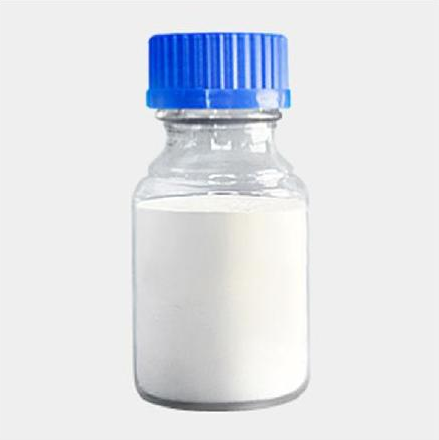
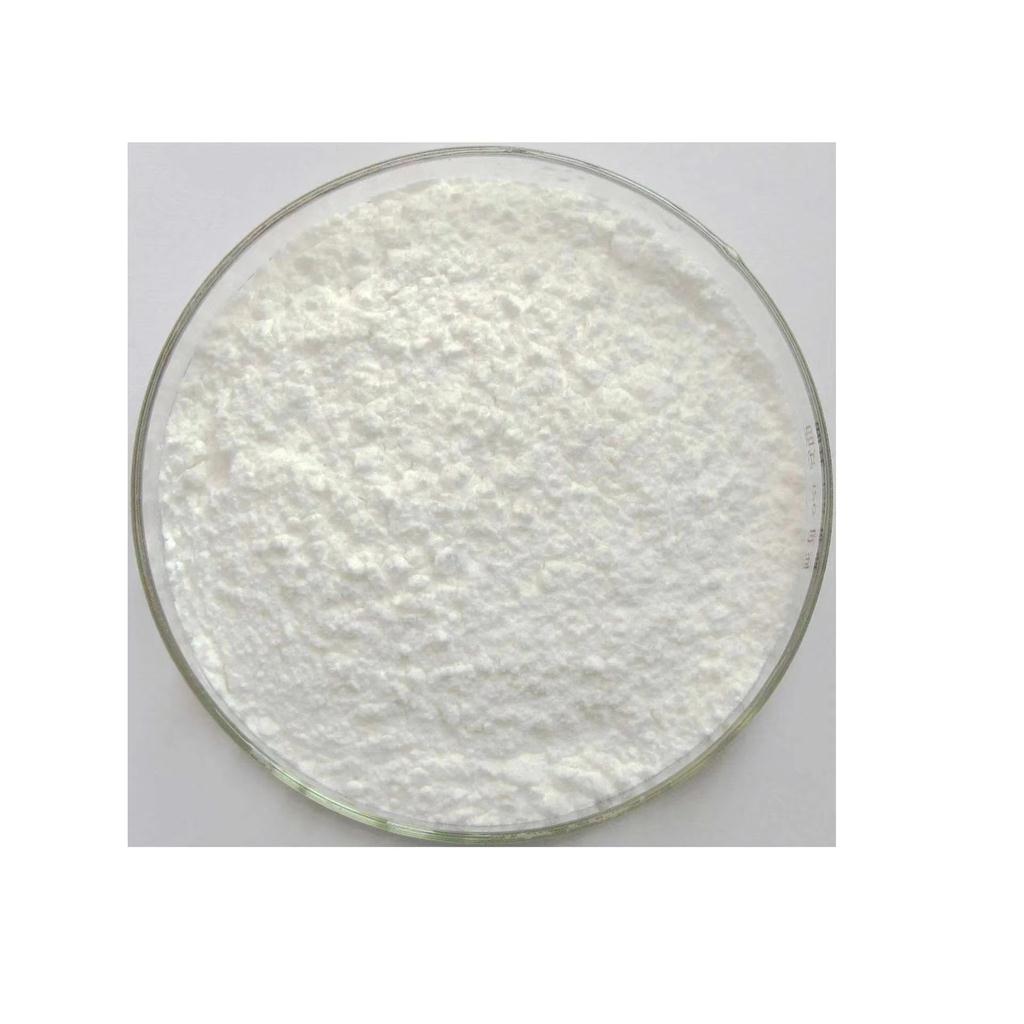
Product Description
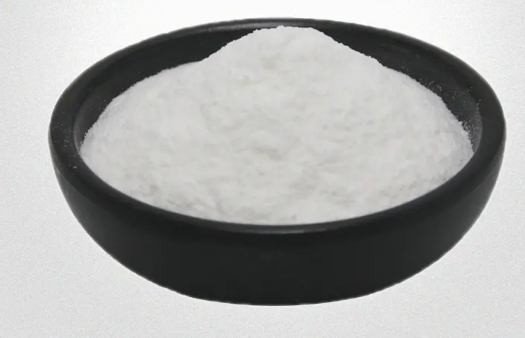
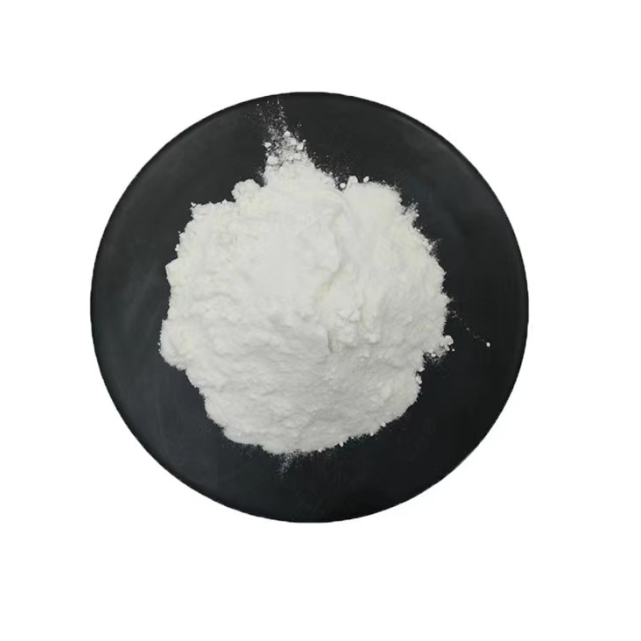
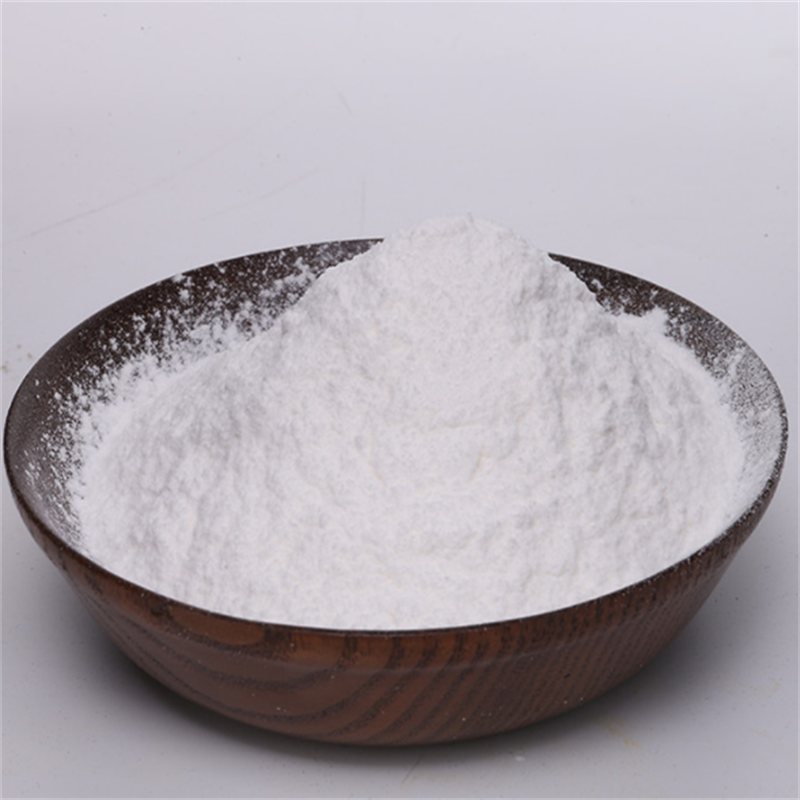
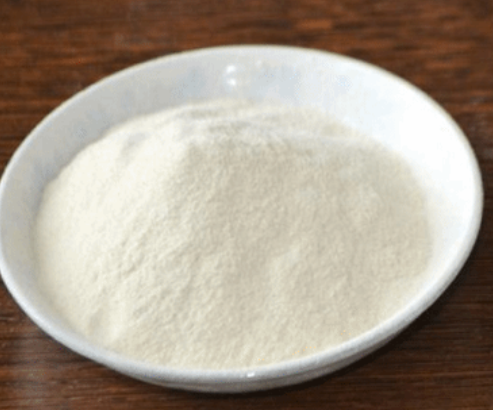
Chitin is a good inducer of plant defense mechanisms for controlling diseases. It has potential for use as a soil fertilizer or conditioner to improve fertility and plant resilience that may enhance crop yields.
AI Product Description
*The following content is generated by AI and is for reference only.
Chitin is a naturally occurring, long-chain polymer of N-acetylglucosamine, serving as a primary structural component in the exoskeletons of arthropods such as crabs, shrimp, and insects, as well as in the cell walls of fungi. Chemically classified as a polysaccharide, it is the second most abundant biopolymer on Earth after cellulose. Its molecular formula is (C8H13O5N)n, reflecting its repeating monomeric units linked by beta-1,4-glycosidic bonds. The substance does not possess a single CAS number due to its polymeric nature; however, it is commonly associated with CAS 1398-61-4 for chitin from crustaceans or fungal sources.
Derived primarily from seafood waste like crab shells and shrimp peels, chitin is an eco-friendly, biodegradable, and non-toxic material with immense industrial potential. It serves as a versatile precursor for producing chitosan through deacetylation, which exhibits even broader applications due to its enhanced solubility and reactivity. In the biomedical field, chitin and its derivatives are widely utilized for wound dressings, surgical sutures, and drug delivery systems because of their excellent biocompatibility, hemostatic properties, and ability to promote tissue regeneration. They also act as effective antimicrobial agents, inhibiting bacterial growth without causing resistance.
Beyond medicine, chitin plays a crucial role in agriculture as a natural biopesticide and plant growth enhancer, stimulating crop immunity against pathogens. In the food industry, it functions as a stabilizer, thickener, and dietary fiber supplement. Environmental applications include water treatment processes where chitin-based materials effectively adsorb heavy metals, dyes, and organic pollutants from wastewater. Furthermore, it is increasingly used in cosmetics for skin hydration and anti-aging formulations. As global demand shifts toward sustainable alternatives to synthetic plastics, chitin stands out as a promising green material. Its renewable source, low production cost, and multifunctional properties make it indispensable across diverse sectors, driving innovation in biotechnology and circular economy initiatives worldwide. Continued research aims to optimize extraction methods and expand functional modifications to unlock its full commercial value.

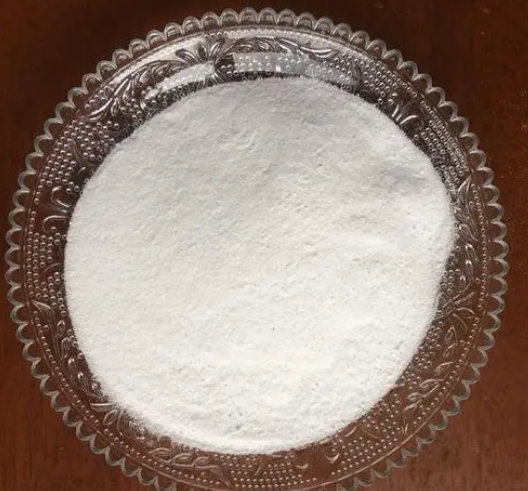




 (All Rights Reserved)