Product Description
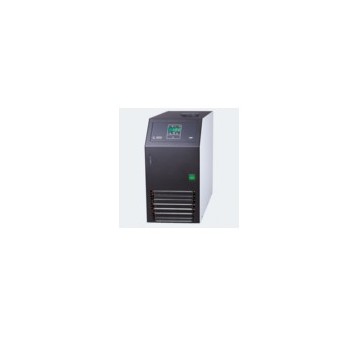
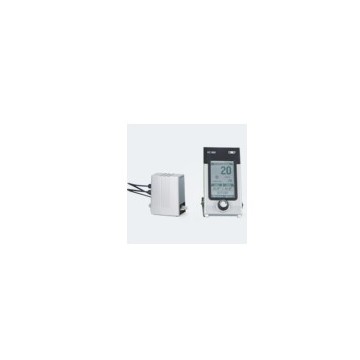
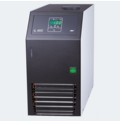
Low energy consumption, a small foot-print, and a splash-proof keypad with LED display make the C 900 a Lab essential.
AI Product Description
*The following content is generated by AI and is for reference only.
This industrial cooling unit is a critical component designed to maintain precise thermal stability across diverse manufacturing and laboratory environments. Its primary function involves circulating a temperature-controlled fluid, typically water or a specialized glycol mixture, through external equipment such as CNC machines, injection molding systems, laser cutters, and medical imaging devices. By efficiently removing excess heat generated during operation, the system prevents overheating, ensures consistent product quality, and extends the lifespan of expensive machinery. Unlike standard air-cooled solutions, this liquid-based approach offers superior heat transfer efficiency, making it ideal for high-power applications where tight temperature tolerances are mandatory.
The device operates by drawing warm process fluid from the connected load, passing it through an internal evaporator coil where refrigerant absorbs the heat, and then pumping the cooled fluid back into the system. Advanced digital controllers allow operators to set exact temperature setpoints with minimal fluctuation, often within a fraction of a degree. Safety features include low-level sensors that prevent dry running, high-pressure cut-offs to protect the compressor, and alarms for abnormal operating conditions.
When installing and operating this unit, several precautions are essential. First, ensure the installation area has adequate ventilation to dissipate waste heat effectively. The fluid reservoir must be filled with distilled or deionized water mixed with appropriate antifreeze to prevent corrosion and freezing, depending on ambient conditions. Regular maintenance is crucial; filters should be cleaned monthly, and coolant levels checked weekly to avoid pump cavitation. Never operate the unit without proper grounding, and always follow lockout/tagout procedures during servicing. Additionally, avoid placing the unit in direct sunlight or near heat sources, as this can strain the condenser and reduce efficiency. Properly trained personnel should handle all electrical connections and refrigerant handling to comply with environmental regulations. With correct usage, this system provides reliable, continuous cooling performance, ensuring operational continuity and safety in demanding industrial settings.



 (All Rights Reserved)