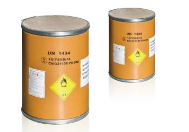
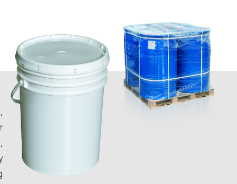
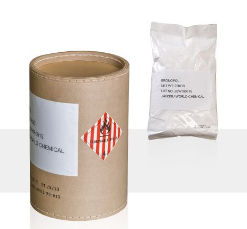
Product Description
Chenodeoxycholic acid is an organic compound with the chemical formula C24H40O4, colorless acicular crystal. Almost insoluble in water, soluble in ethanol, glacial acetic acid, slightly soluble in chloroform.
AI Product Description
*The following content is generated by AI and is for reference only.
Chenodeoxycholic acid (CDCA), also known as 3α,7α-dihydroxy-5β-cholanic acid, is a primary bile acid naturally synthesized in the liver from cholesterol. Its molecular formula is C24H40O4, and it carries the CAS registry number 434-13-9. This white to off-white crystalline powder plays a critical physiological role in human digestion by emulsifying dietary fats, thereby facilitating their absorption in the small intestine. Beyond its natural function, CDCA is widely utilized in pharmaceutical research and clinical applications. It serves as a therapeutic agent for dissolving cholesterol gallstones, particularly in patients who are not candidates for surgery. By reducing cholesterol saturation in bile, it helps solubilize existing stones or prevent new ones from forming. In the field of biochemistry, this compound is frequently employed as a standard reference material for high-performance liquid chromatography (HPLC) and mass spectrometry analyses to quantify bile acid profiles in biological samples. Furthermore, CDCA acts as an essential ligand for the farnesoid X receptor (FXR), a nuclear receptor that regulates lipid metabolism, glucose homeostasis, and inflammatory responses. Consequently, it is a key subject in studies investigating metabolic disorders such as non-alcoholic fatty liver disease (NAFLD) and diabetes. The synthesis of CDCA derivatives is also significant in medicinal chemistry for developing novel drugs targeting bile acid transporters. While generally safe when administered under medical supervision, improper use can lead to gastrointestinal side effects. Overall, Chenodeoxycholic acid remains a fundamental molecule bridging basic metabolic science and advanced therapeutic interventions, highlighting its enduring importance in both academic research and clinical practice for managing hepatobiliary diseases.






 (All Rights Reserved)