Product Description
Aliase: CHDM cas 105-08-8 with big discount
Purity: 99.0%min
Appearance:Powder
Brand: Crovell
Usage: 1.4-cyclohexanedimethanol is used to make polyester fiber, polyester electrical appliances, unsaturated polyester resins,
polyester glaze, polyurethane foam, as well as for the production of lubricants and hydraulic fluids. 1,4-Cyclohexanedimethanol
Preparation Products And Raw materials Raw materials
AI Product Description
*The following content is generated by AI and is for reference only.
CHDM, chemically known as 1,4-cis/trans-bis(hydroxymethyl)cyclohexane, is a versatile diol with the CAS number 105-08-8. Its molecular formula is C₁₀H₂₀O₂ and it possesses a molecular weight of approximately 172.26 g/mol. This compound exists primarily as a mixture of cis and trans isomers, which significantly influences its physical properties and reactivity in industrial applications. As a key building block in polymer chemistry, CHDM serves as a crucial monomer for synthesizing high-performance polyesters, polyurethanes, and polycarbonates.
One of the most prominent applications of CHDM lies in the production of advanced polyester resins, particularly those used in engineering plastics and coatings. When copolymerized with terephthalic acid (PTA) or dimethyl terephthalate (DMT), it imparts exceptional chemical resistance, thermal stability, and mechanical strength to the resulting polymers. These enhanced properties make CHDM-based polyesters ideal for demanding environments, such as automotive components, electrical insulation materials, and durable liquid crystal displays (LCDs). Furthermore, in the field of polyurethane technology, CHDM acts as a chain extender that improves the elasticity, hydrolytic stability, and weathering resistance of flexible foams and elastomers.
The current market availability of CHDM with significant discounts presents a strategic opportunity for manufacturers looking to optimize production costs without compromising material quality. The "big discount" mentioned often reflects increased global supply capacity or competitive pricing strategies among major chemical producers, making this premium diol more accessible to cost-sensitive industries. By integrating CHDM into their formulations, companies can achieve superior end-product performance while managing raw material expenditures effectively. Its compatibility with various other monomers allows for tailored material designs, ranging from rigid structural parts to soft, resilient seals. Consequently, CHDM remains an indispensable component in modern materials science, driving innovation across sectors requiring robust, long-lasting, and chemically resistant solutions.

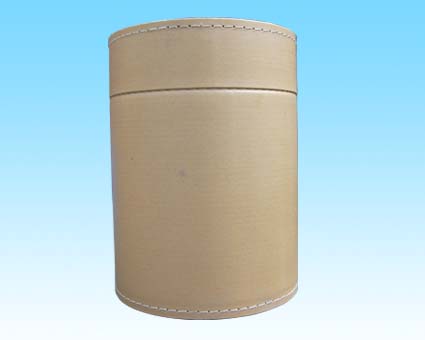



 (All Rights Reserved)
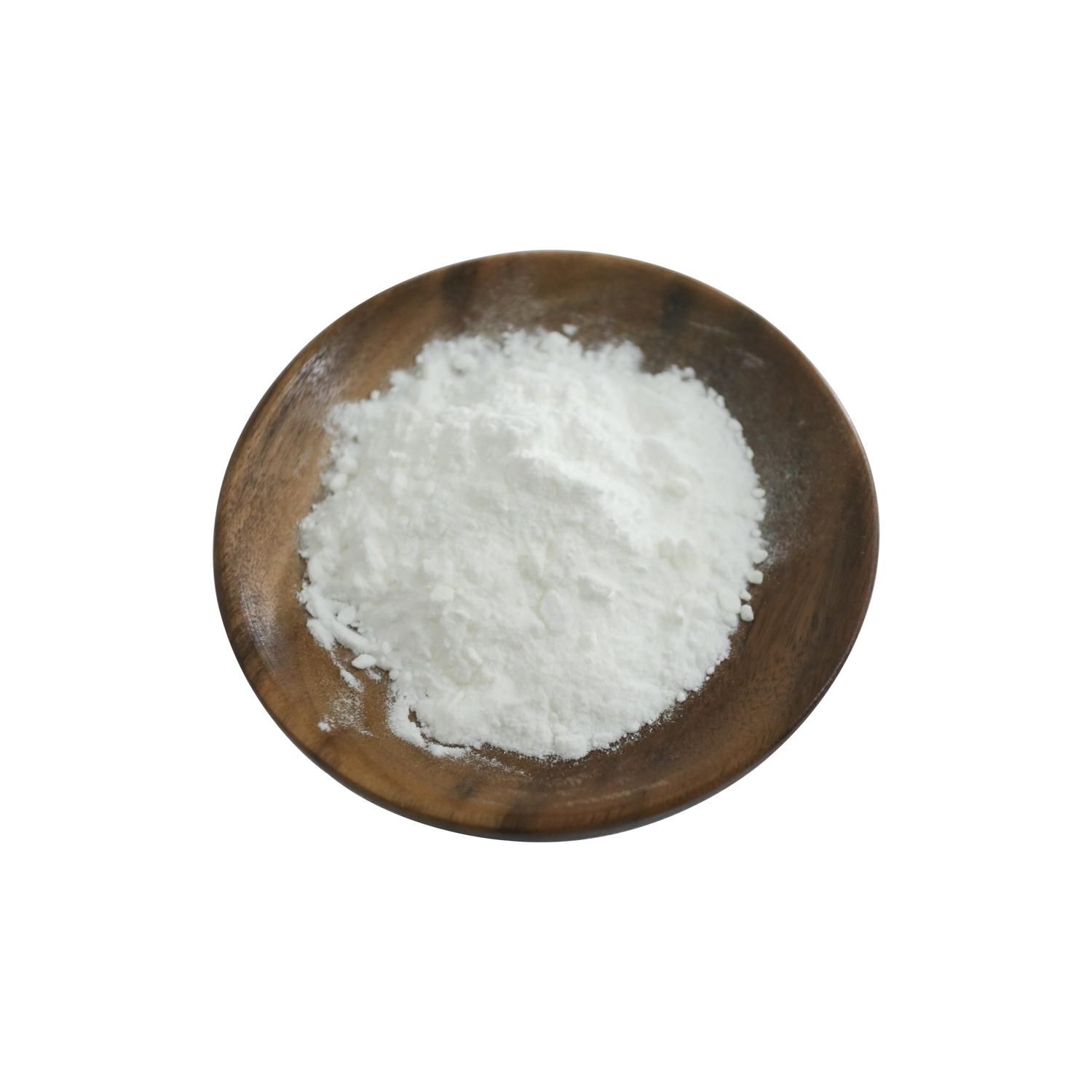




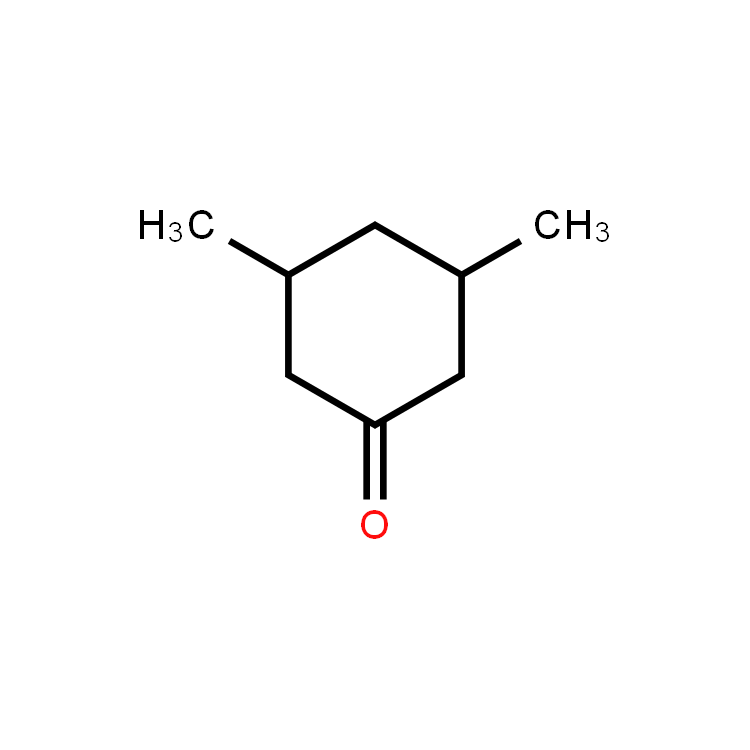
![8,16-Diazadispiro[6.1.6.2]heptadecan-17-one](https://eimg.pharmasources.com/image/product/20250403/ca91cba8b87e53fc879f8d8764873a40jpg)
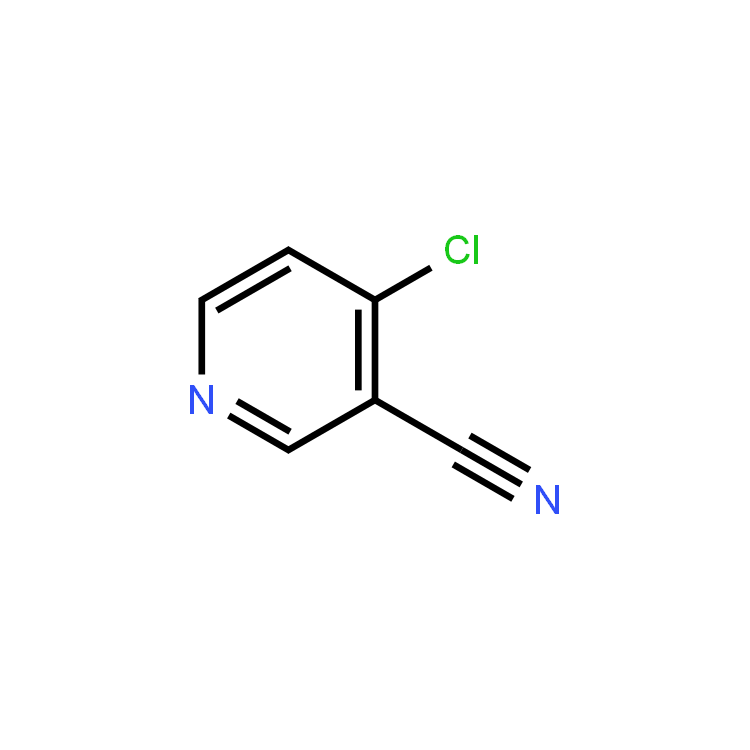
![6,8-Dioxo-5,7-diazaspiro[3.4]octane-2-carboxylic acid](https://eimg.pharmasources.com/image/product/20250403/02effeb5a7639bc84ff1f3add3c0c64fjpg)
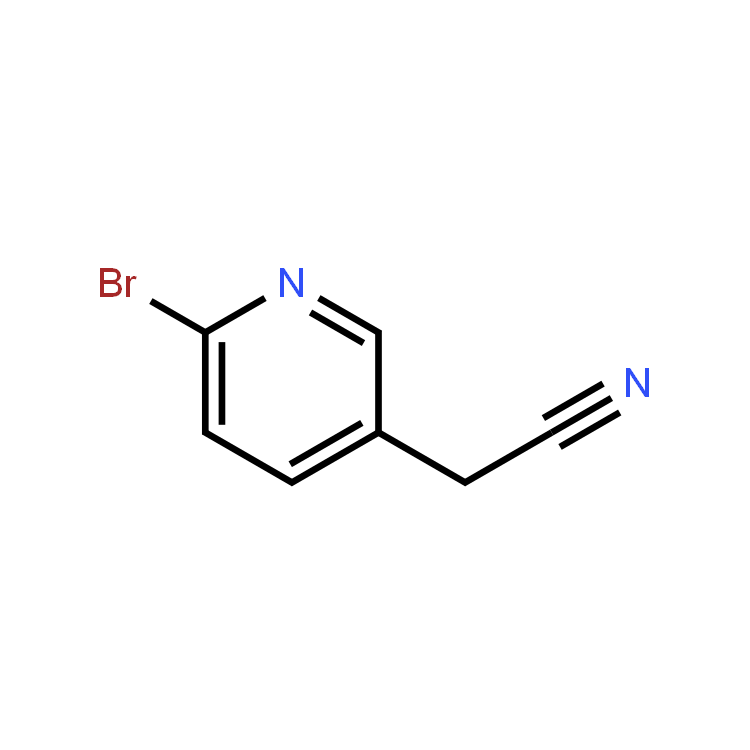
![8-Oxa-1,3-diazaspiro[4.5]decane-2,4-dione](https://eimg.pharmasources.com/image/product/20250403/60fa7223d5a34f24138486ceea0ffb15jpg)
