Product Description
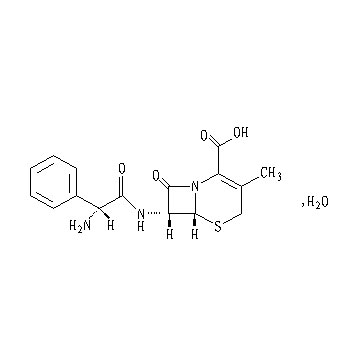
Ceftiofur Free Acid; Ceftiofur Base; (6R,7R)-7-{[(2Z)-2-(2-amino-1,3-thiazol-4-yl)-2-(methoxyimino)acetyl]amino}-3-{[(furan-2-ylcarbonyl)sulfanyl]methyl}-8-oxo-5-thia-1-azabicyclo[4.2.0]oct-2-ene-2-carboxylic acid; (7R)-7-{[(2Z)-2-(2-amino-1,3-thiazol-4-yl)-2-(methoxyimino)acetyl]amino}-3-{[(furan-2-ylcarbonyl)sulfanyl]methyl}-8-oxo-5-thia-1-azabicyclo[4.2.0]oct-2-ene-2-carboxylic acid
AI Product Description
*The following content is generated by AI and is for reference only.
Ceftiofur Free Acid, chemically known as 7-[(2-amino-4-thiazolyl)(methoxyimino)acetyl]amino]-3-[(1-methyl-1H-tetrazol-5-yl)methyl]-8-oxo-5-thia-1-azabicyclo[4.2.0]oct-2-ene-2-carboxylic acid, is the active metabolite of the broad-spectrum cephalosporin antibiotic ceftiofur. Its molecular formula is C16H16N6O5S2, and it carries the CAS Registry Number 97960-53-7. Unlike its prodrug form, ceftiofur sodium or crystalline ceftiofur, the free acid represents the pharmacologically active species generated in vivo after the administration of various ceftiofur formulations to animals. This compound functions by inhibiting bacterial cell wall synthesis through the binding of penicillin-binding proteins (PBPs), thereby disrupting peptidoglycan cross-linking and leading to bacterial lysis and death.
Primarily utilized in veterinary medicine, Ceftiofur Free Acid is critical for treating a wide array of infections in food-producing animals, including cattle, swine, and poultry. It is highly effective against Gram-positive and Gram-negative pathogens commonly associated with bovine respiratory disease (BRD), metritis, mastitis, and foot rot. The drug exhibits excellent stability and bioavailability when administered via intramuscular injection, intravenous infusion, or oral routes, depending on the specific formulation derived from the parent compound. Its broad spectrum activity makes it a first-line treatment option for systemic and localized infections caused by susceptible bacteria such as *Pasteurella multocida*, *Mannheimia haemolytica*, *Escherichia coli*, and *Staphylococcus aureus*.
The significance of the free acid form lies in its role as the ultimate therapeutic agent within the animal body. While commercial products often utilize salt forms for improved solubility and stability during storage, these salts rapidly hydrolyze in physiological fluids to release the free acid. This mechanism ensures rapid onset of action and sustained therapeutic concentrations at infection sites. Furthermore, due to strict regulatory requirements regarding residue limits in meat and milk, understanding the pharmacokinetics of the free acid is essential for establishing appropriate withdrawal periods. As antimicrobial stewardship becomes increasingly important globally, Ceftiofur remains a vital tool for maintaining herd health and ensuring food safety, provided it is used according to established veterinary guidelines to mitigate the risk of antimicrobial resistance.






 (All Rights Reserved)